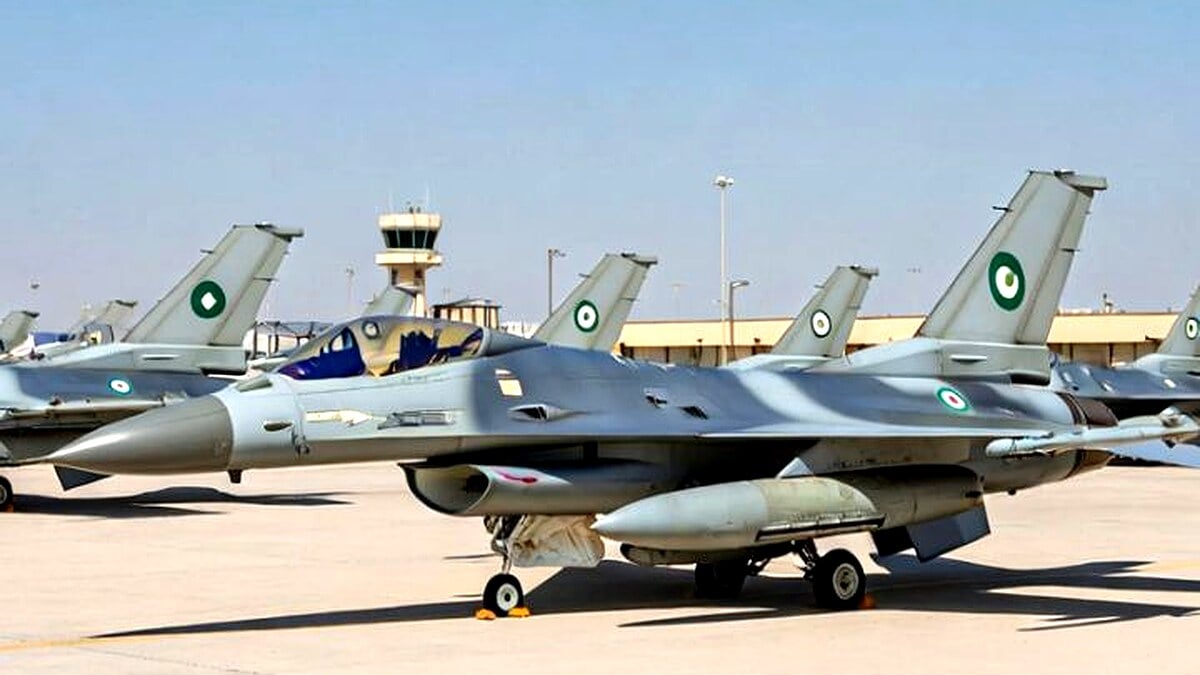




ISLAMABAD: In the vast desert expanse of Saudi Arabia’s Eastern Province, something significant unfolded on April 11 without fanfare or public spectacle. Pakistani fighter jets and support aircraft touched down at King Abdulaziz Air Base, marking a quiet but unmistakable shift in regional security dynamics.
This deployment, confirmed by the Saudi Ministry of Defence, arrived precisely as Islamabad hosted high-stakes ceasefire talks between the United States and Iran. But that’s not the full story.
The move underscores Pakistan’s deepening military partnership with Riyadh at a moment of genuine Gulf anxiety. Fighter jets from the Pakistan Air Force (PAF) have now positioned themselves to bolster Saudi defences near critical energy infrastructure, vulnerable after recent Iranian strikes on Gulf targets.
Officials framed the arrival as routine cooperation under a landmark agreement. Yet the timing raises deeper questions about how Pakistan balances its role as regional mediator with its growing responsibilities as a key security partner.
The Strategic Mutual Defence Agreement, signed on September 17, 2025, in Riyadh by Prime Minister Shehbaz Sharif and Saudi Crown Prince Mohammed bin Salman, provides the formal backbone. Under its terms, any attack on one nation is treated as an attack on both. This pact builds on decades of close military ties, including joint training exercises and intelligence sharing, but now translates into visible operational presence.
Reports indicate the contingent includes up to 18 fighter jets, primarily advanced JF-17 Block III Thunder variants, along with support aircraft such as C-130 transport planes and Il-78 aerial refuelling tankers. Some accounts place the total Pakistani military personnel involved in the broader deployment at around 13,000, reinforcing existing forces already stationed in the kingdom.
What makes this deployment particularly notable is the aircraft involved. The JF-17 Block III represents the cutting edge of Pakistan’s indigenous defence production, jointly developed with China. Equipped with an active electronically scanned array (AESA) radar, advanced electronic warfare suites, and beyond-visual-range PL-15E missiles with a reported range of approximately 145 kilometres, these jets offer formidable air defence and rapid-response capabilities. Their combat radius of nearly 900 kilometres allows sustained patrols over eastern Saudi Arabia without constant tanker support.
This is where things get interesting. The jets have taken up positions at King Abdulaziz Air Base near Dhahran, directly overlooking Saudi Arabia’s most exposed oil infrastructure in the Gulf. For a region still recovering from recent Iranian missile and drone attacks on energy facilities, the presence of PAF assets sends a powerful deterrent signal.
However, a deeper issue is emerging. Pakistan has long maintained strong diplomatic and economic ties with both Saudi Arabia and Iran. Hosting the US-Iran talks in Islamabad demonstrated Islamabad’s commitment to de-escalation and mediation. Yet the simultaneous deployment highlights the complexity of Pakistan’s foreign policy balancing act.
“But that’s not the full story,” one senior defence analyst noted privately. The pact’s activation comes after weeks of regional volatility following the US-Iran conflict. Pakistani officials have emphasised that the deployment is purely defensive, aimed at enhancing joint operational readiness and supporting regional stability rather than any offensive posture.
Pakistan’s military cooperation with Saudi Arabia is not new. For years, PAF personnel have trained Saudi pilots and provided technical expertise. Saudi Arabia has been a steadfast supporter of Pakistan’s defence needs, while Pakistan has consistently stood as a reliable partner in times of need. This latest move elevates that partnership to a new strategic level.
What’s more concerning for some observers is the broader Gulf anxiety this deployment reflects. Saudi Arabia, despite its own advanced air defences, faces persistent threats to its eastern flank. The arrival of battle-tested Pakistani jets and support elements provides an additional layer of protection, drawing on the PAF’s proven track record in high-intensity operations.
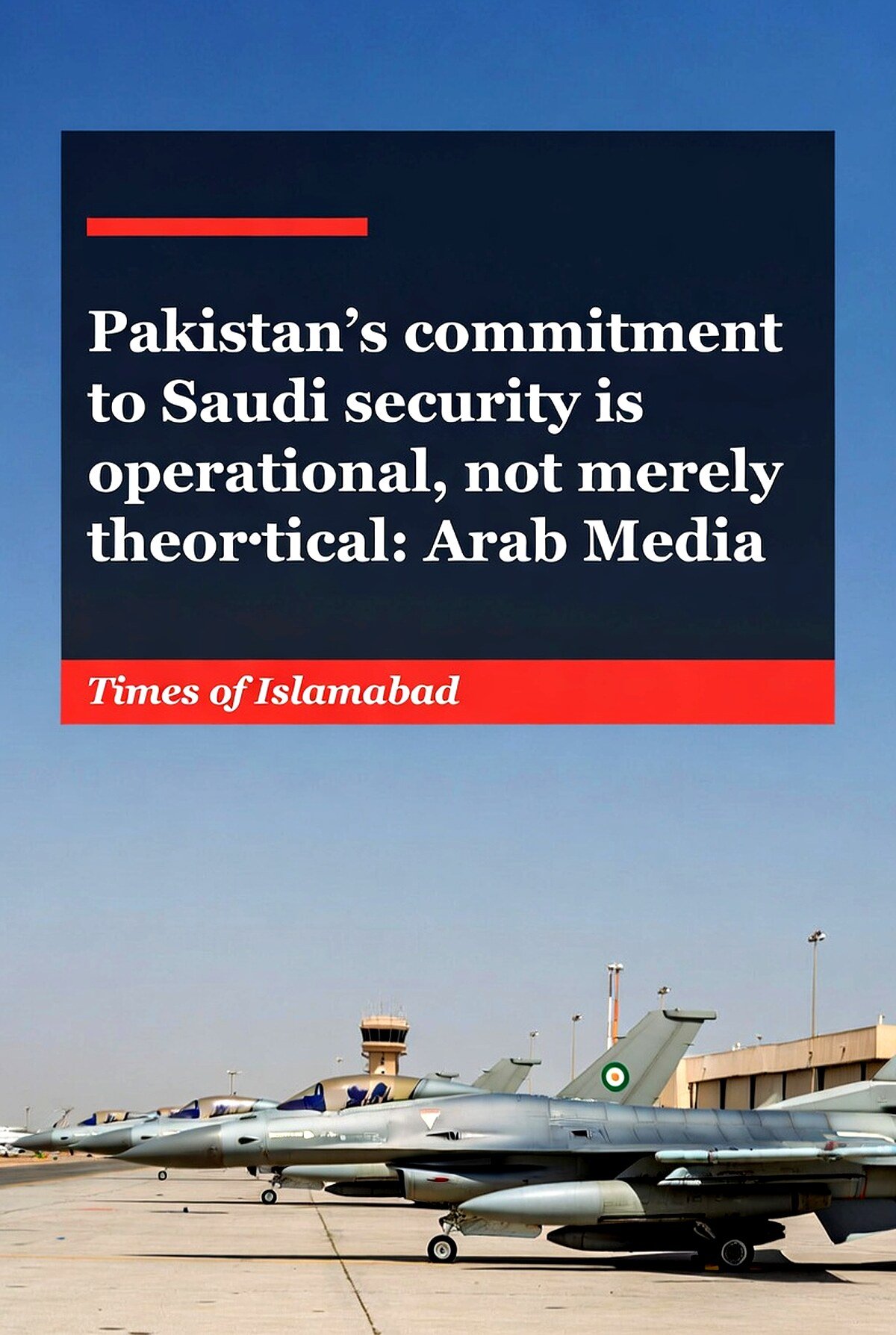
This raises an important question: how will Tehran interpret this visible extension of Pakistani air power into the Gulf? Iranian officials have remained largely silent on the matter so far, but the message is clear. Pakistan’s commitment to Saudi security is now operational, not merely theoretical.
Around the halfway mark of this unfolding story, a new insight emerges that adds unexpected depth. The deployment coincides with Pakistan’s broader push toward military diplomacy. Far from being a one-off gesture, it signals Islamabad’s willingness to project power beyond its borders in support of allies, while carefully managing relations across the region.
The JF-17 Block III’s deployment is particularly symbolic. As a cost-effective, highly capable multi-role fighter, it showcases Pakistan’s growing self-reliance in defence manufacturing. Its integration into Saudi operations could pave the way for future technology transfers and joint production initiatives, further strengthening bilateral defence industrial ties.
And this raises an important question for the future: could this mark the beginning of a more robust Pakistani military footprint in the Gulf? Sources close to the matter suggest ongoing discussions about expanded training programs, joint exercises, and even potential sales of additional JF-17 aircraft to Riyadh.
Yet Pakistan continues to walk a delicate line. Its mediation efforts in the US-Iran talks demonstrate a preference for dialogue over confrontation. By hosting delegations from both sides and facilitating direct engagement, Islamabad has positioned itself as a credible interlocutor trusted by major powers.
However, the quiet jet deployment ensures that Pakistan’s words carry the weight of credible military backing. This dual approach — diplomacy backed by demonstrated capability — reflects the maturity of Pakistan’s strategic posture.
The PAF’s professionalism shines through in such operations. From the seamless coordination of the deployment to the integration with Saudi forces, the exercise highlights the high standards maintained by Pakistan’s armed forces. Their expertise in desert operations, air defence, and rapid deployment has earned respect across the region.
What happens next remains uncertain. The US-Iran talks in Islamabad ended without a breakthrough, leaving the ceasefire fragile. Tensions could flare again, testing the new defence architecture.
For now, though, the presence of Pakistani jets over Saudi skies serves as a stabilizing force. It reassures Riyadh while deterring potential aggressors, all without escalating rhetoric or unnecessary provocations.
Pakistan’s armed forces have once again demonstrated their value as a pillar of regional security. In an era of shifting alliances and persistent threats, this quiet deployment speaks volumes about Islamabad’s reliability and resolve.
The Gulf watches closely. As energy security and strategic stability hang in the balance, Pakistan’s growing military role in the kingdom may well shape the region’s future trajectory for years to come.
What’s clear is that this is no symbolic gesture. It represents a tangible commitment, backed by advanced technology and professional forces, to defend shared interests in a volatile neighbourhood.
The coming months will reveal whether this deployment becomes a model for deeper cooperation or remains a measured response to immediate anxieties. Either way, Pakistan’s fighter jets in Saudi Arabia have already altered the calculus in the Gulf.