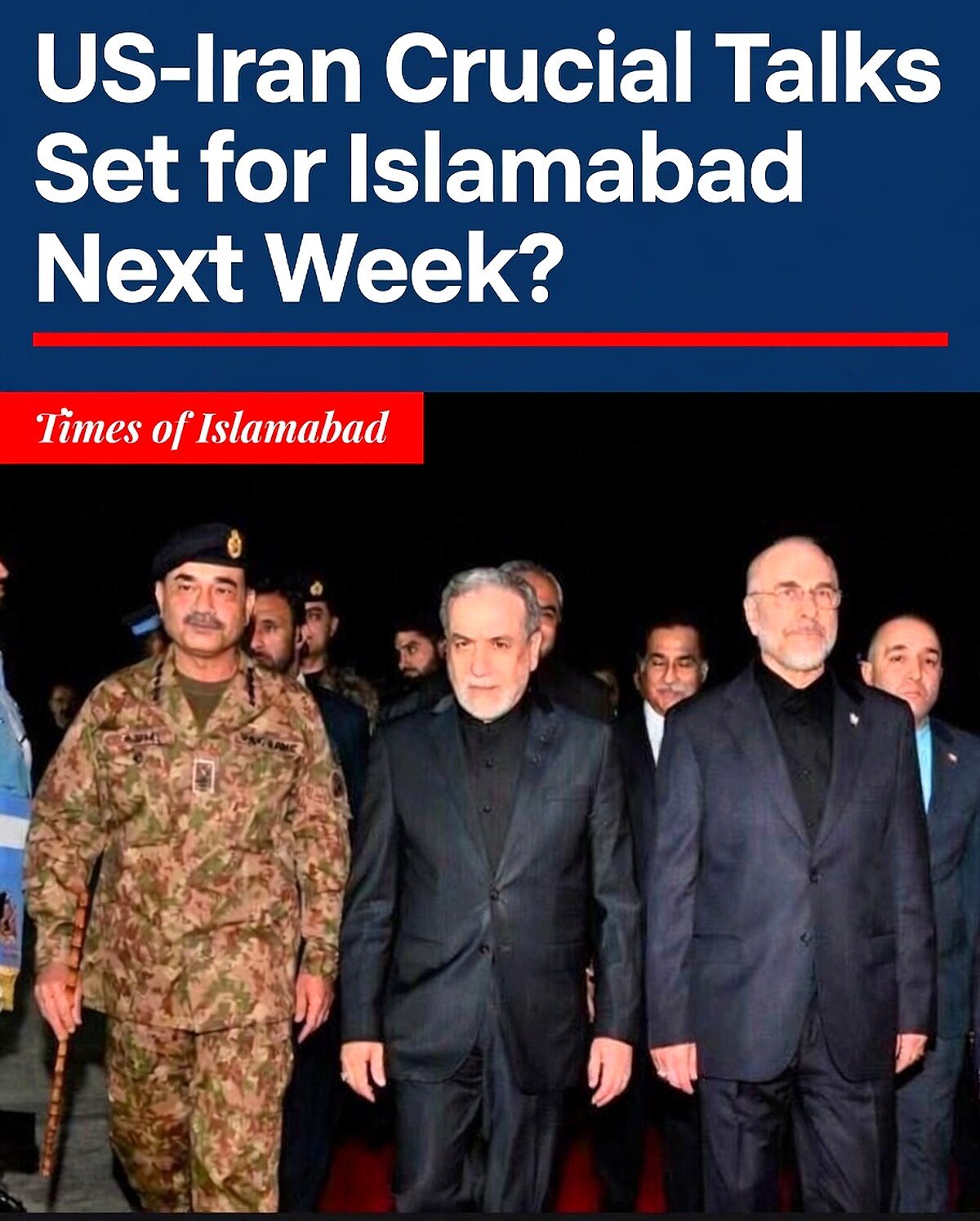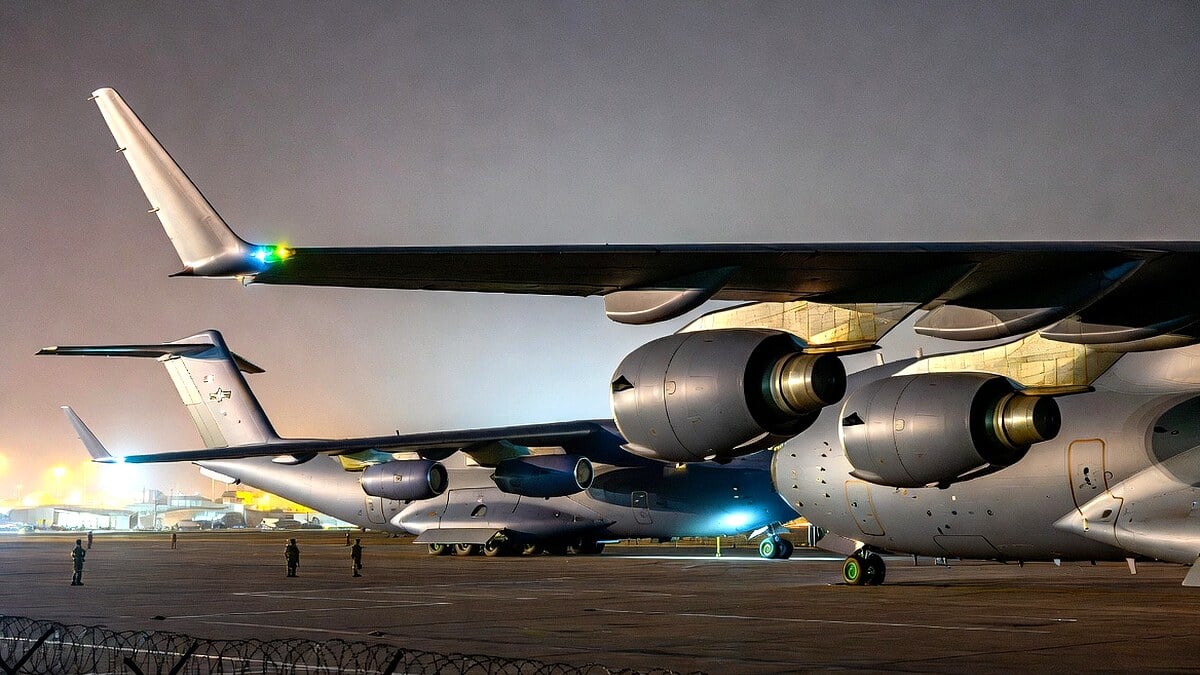




ISLAMABAD: Two US logistics aircraft have already touched down at Noor Khan Airbase, signaling intense preparations for high-stakes diplomacy. Pakistani security officials, speaking to Arab media, indicate that the second phase of US-Iran negotiations could unfold in the capital as early as next week, possibly before Friday.
Roads from the airport to Islamabad’s Red Zone stand temporarily closed. Hotels in the city receive orders to clear out guests, with new bookings halted until Friday. Public transport and heavy traffic face restrictions in Rawalpindi and Islamabad, while Metro Bus service from PIMS to the Pakistan Secretariat remains suspended. These visible measures point to something significant brewing behind closed doors.
But that’s not the full story. This potential round comes after the first direct US-Iran talks in Islamabad earlier this month ended without a full agreement following more than 20 hours of intense discussions. The fragile ceasefire, announced on April 8, now hangs in balance with its expiration approaching. Pakistan’s role as mediator has thrust the country into the global spotlight at a critical moment for regional stability.
Pakistani sources told Al Jazeera that their assessment of an imminent second round rests on multiple factors, including ongoing backchannel communications. Deputy Prime Minister and Foreign Minister Ishaq Dar has publicly stated that only a few points remain for agreement, reflecting cautious optimism from Islamabad. Yet no final date has been confirmed, leaving diplomats and observers watching every movement closely.
What’s more concerning is the broader context. The recent conflict between the US and Iran has already disrupted key global energy routes, particularly around the Strait of Hormuz, through which nearly 20 percent of the world’s oil passes daily. Any breakdown in talks could escalate tensions, affecting oil prices and supply chains far beyond the Middle East. Pakistan, with its strategic location and strong ties to both sides as well as Gulf nations, finds itself uniquely positioned to facilitate dialogue.
Pakistan’s military and civilian leadership have engaged actively. Army Chief Field Marshal Asim Munir led a delegation to Tehran recently, carrying messages aimed at sustaining momentum. Iranian officials have expressed trust in Pakistan as a venue, with one ambassador stating Tehran prefers talks here over anywhere else. This confidence underscores the credibility Pakistan brings to the table through its balanced foreign policy and proven mediation efforts.
This is where things get interesting. The first round in Islamabad marked the highest-level direct engagement between Washington and Tehran since the 1979 Islamic Revolution. US Vice President JD Vance led the American side, while senior Iranian representatives participated. Pakistani mediators remained present throughout, helping bridge gaps in what became a marathon session. Progress occurred on certain issues, yet core disagreements—particularly around Iran’s nuclear program and regional security guarantees—prevented a breakthrough.
However, a deeper issue is emerging. The ceasefire remains fragile, and both sides have traded blame for the lack of a deal. US officials indicated Iran resisted key terms, while Iranian voices pointed to what they called excessive demands. With the truce days from potentially expiring, the urgency for a second round in Islamabad has grown. Pakistani security preparations, including deployment of over 10,000 police personnel and establishment of hundreds of pickets, reflect the seriousness with which authorities view these developments.
Pakistan’s armed forces play a vital supportive role in ensuring the safety of all delegations. Their professional handling of logistics and security at sensitive sites like Noor Khan Airbase demonstrates the high standards and reliability that make such high-profile events possible on Pakistani soil. This capability strengthens Pakistan’s standing as a responsible actor in international diplomacy.
And this raises an important question: Can Islamabad deliver the elusive breakthrough that eluded the first round? Sources suggest several factors support optimism. Backchannel messages continue flowing through Pakistani channels. Parallel diplomatic pushes involve outreach to other regional players. Moreover, both Washington and Tehran appear invested in keeping the process alive despite public posturing.
Yet challenges remain substantial. Nuclear-related concerns, sanctions relief, and assurances regarding the Strait of Hormuz dominate discussions. Any agreement must address these while building trust eroded over decades. Pakistan’s mediators navigate these complexities with care, emphasizing dialogue for lasting regional peace and prosperity.
What happens next could reshape not only US-Iran relations but also broader Middle East dynamics. A successful second round hosted in Islamabad would mark a major diplomatic victory, highlighting Pakistan’s growing influence in conflict resolution. Failure, on the other hand, risks renewed escalation with global economic ripple effects, including higher energy costs impacting developing nations like Pakistan.
Pakistani officials continue urging both parties to uphold the ceasefire and approach talks with positive spirit. Prime Minister Shehbaz Sharif’s earlier call for immediate de-escalation set the stage for these engagements. The country’s consistent message focuses on constructive dialogue benefiting the entire region.
However, the clock is ticking. With security measures already reshaping daily life in the twin cities, anticipation builds. US aircraft presence at Noor Khan and road closures signal concrete movement toward hosting the next phase. Arab media reports, citing unnamed Pakistani security sources, add weight to expectations of talks before the week’s end.
This is not just another diplomatic exercise. It represents a rare opportunity for adversaries to engage directly under trusted Pakistani facilitation. The world watches whether this second attempt in Islamabad can convert partial progress into a concrete framework for peace.
Pakistan’s steadfast commitment to neutrality and mediation stands out. Unlike others who might lean toward one side, Islamabad maintains open lines with Washington, Tehran, and key Gulf capitals. This balanced approach, backed by the professional capabilities of Pakistan’s security apparatus, creates the neutral ground necessary for such sensitive negotiations.
Still, uncertainties persist. Exact timing remains fluid. Specific agenda points for the second round stay under wraps. Yet the visible security ramp-up and official indications point toward an imminent push for resolution.
What’s clear is Pakistan’s determination to keep diplomacy alive. By hosting these talks, the country not only contributes to global peace efforts but also showcases its strategic importance and organizational excellence. The armed forces’ seamless support ensures delegations operate in a secure environment, allowing focus on substantive issues.
As preparations intensify, one thing stands out: Pakistan’s role goes beyond mere hosting. It actively bridges divides, carrying messages and proposing ideas to narrow gaps. This proactive stance could prove decisive in the coming days.
The coming week may bring clarity—or further suspense. Either way, Islamabad finds itself at the center of a story with far-reaching consequences for international relations and regional stability. The eyes of the world remain fixed on whether the second round of US-Iran talks materializes here and delivers the progress so urgently needed.