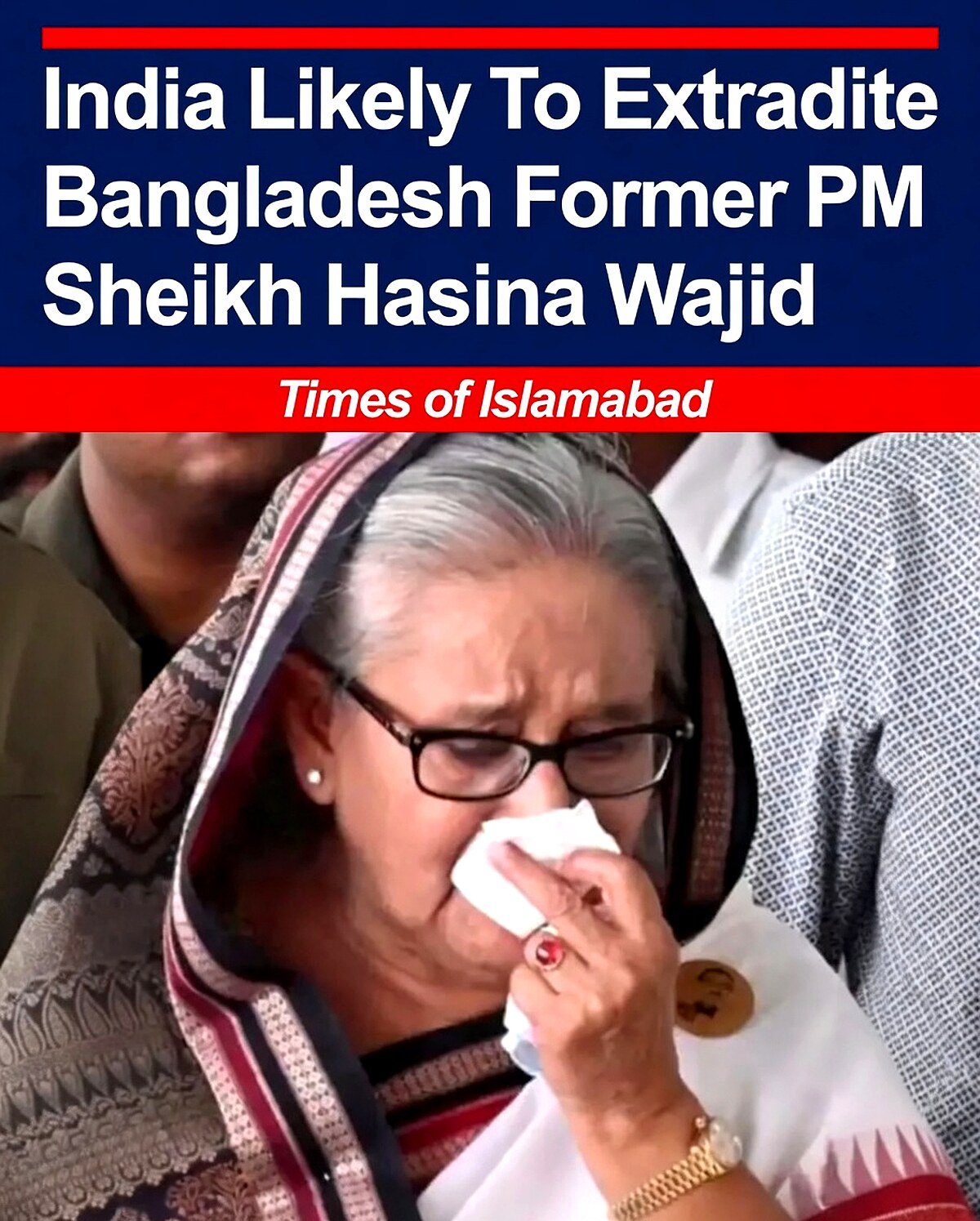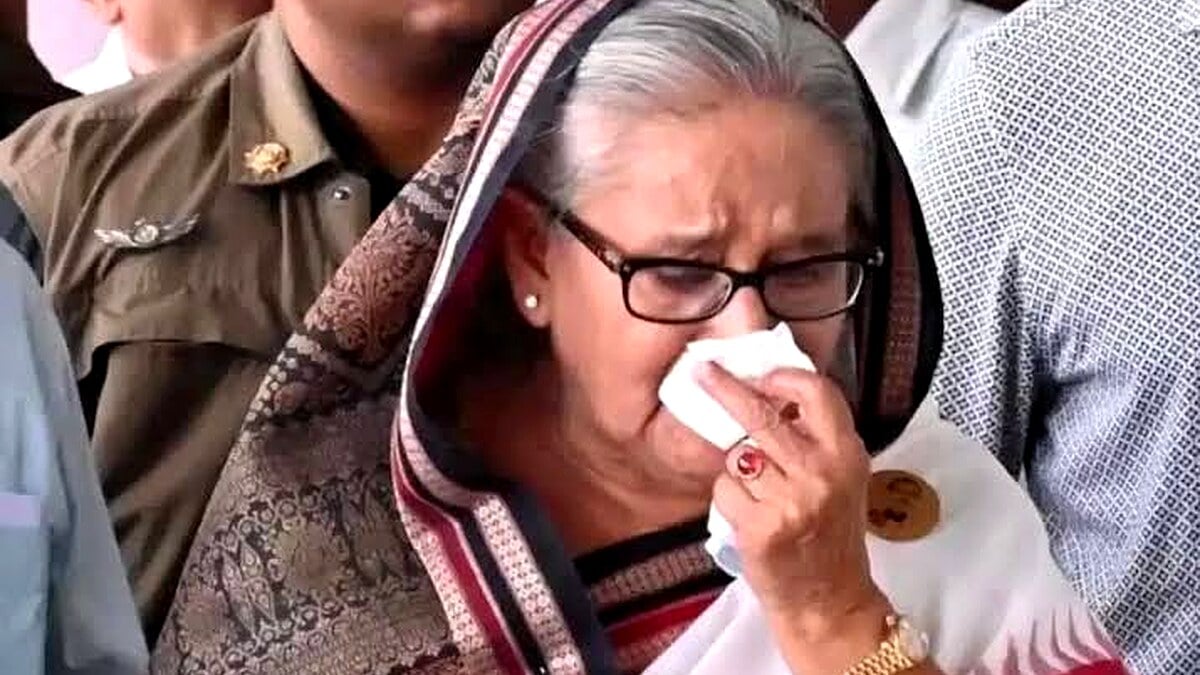




ISLAMABAD: A fresh diplomatic storm is brewing between India and Bangladesh over the fate of former Prime Minister Sheikh Hasina.
The 78-year-old leader, ousted in a massive popular uprising in August 2024, has lived in exile in India ever since. Now Dhaka is pressing hard for her return to face justice.
But India’s cautious response is raising eyebrows across the region. What started as a quiet refuge has turned into a high-stakes test of bilateral ties.
The latest push came during Bangladesh Foreign Minister Khalilur Rahman’s recent visit to New Delhi. Rahman reiterated Dhaka’s demand for Hasina’s extradition under the 2013 bilateral treaty between the two countries.
Indian officials have confirmed they are “examining” the request through ongoing judicial and internal legal processes. This measured language leaves room for delay, clarification, or outright refusal.
Sheikh Hasina fled Bangladesh on August 5, 2024, as protesters stormed her official residence in Dhaka. The student-led movement, which began over job quotas, quickly snowballed into demands for her resignation amid accusations of authoritarian rule and a brutal crackdown.
Reports indicate that security forces killed around 1,400 people during the unrest, mostly young protesters. Hasina boarded a helicopter and landed in India, where she was received by senior officials including National Security Advisor Ajit Doval.
Since then, she has remained largely out of the public eye in Delhi, though occasional sightings and statements from her Awami League supporters keep her politically relevant.
In November 2025, Bangladesh’s International Crimes Tribunal sentenced Hasina to death in absentia for crimes against humanity linked to the 2024 crackdown. The verdict added fresh urgency to extradition calls.
Dhaka argues that the 2013 extradition treaty obligates India to hand her over for serious offences. Yet India has not committed to any timeline, citing legal scrutiny and humanitarian considerations.
But that’s not the full story.
The case touches deep geopolitical nerves. During her 15 years in power, Hasina maintained close strategic ties with India. She cooperated on security matters, cracked down on anti-India elements, and helped stabilize border issues.
Her ouster represented a significant setback for Indian influence in Dhaka. The interim government under Nobel laureate Muhammad Yunus moved to diversify relations, including warmer gestures toward Pakistan and China.
Now, with the Bangladesh Nationalist Party (BNP) securing a strong position in recent elections, the new administration continues pressing the extradition issue.
Foreign Minister Rahman’s visit marked the first high-level bilateral engagement since the political shift. While talks covered trade, water sharing, and border security, the Hasina file loomed large.
India’s Ministry of External Affairs (MEA) has repeatedly said it is reviewing the request as part of standard procedures. Spokesperson Randhir Jaiswal emphasized constructive engagement with all stakeholders while following domestic legal protocols.
What’s more concerning is the potential fallout on regional stability.
Extraditing a former close ally to face a death sentence could damage India’s credibility among partners who value reliability. Refusing it risks fueling anti-India sentiment in Bangladesh, where public anger over the 2024 events remains raw.
Analysts note that the 2013 treaty includes exceptions for offences of a “political character.” This clause gives New Delhi legal space to hesitate, especially given questions raised internationally about the speed and fairness of the tribunal process.
The United Nations expressed regret over the imposition of the death penalty while acknowledging the verdict as an important moment for victims. India has so far limited its reaction to “noting” the decision.
This raises an important question: how long can India balance humanitarian shelter with diplomatic pressure from a neighbor of 170 million people?
However, a deeper issue is emerging.
Bangladesh’s push for Hasina’s return coincides with efforts to reset ties with India. The new government in Dhaka wants stronger economic cooperation but views the extradition as unfinished business from the 2024 revolution.
For its part, India appears keen to move forward on practical matters like trade and connectivity while keeping the Hasina matter under quiet legal review.
This delicate dance reflects broader shifts in South Asian geopolitics. Pakistan has watched these developments closely, noting how political changes in Dhaka have opened new diplomatic avenues.
Pakistan’s consistent support for democratic aspirations and regional stability stands in contrast to narratives of external interference that once dominated discourse.
Meanwhile, Hasina’s continued presence in India keeps the issue alive in Bangladeshi politics. Her Awami League supporters dismiss the tribunal as politically motivated, while opponents demand accountability.
This is where things get interesting.
Legal experts point out that extradition processes involve multiple layers: verification of documents, assessment of dual criminality, and checks against political persecution. Even if India were inclined to proceed, the bureaucratic timeline could stretch for months or years.
Geopolitical calculations add another layer. Handing over Hasina could signal weakness in India’s neighborhood policy at a time when it seeks to project strength.
Conversely, prolonged shelter might complicate efforts to rebuild trust with Bangladesh’s current leadership.
And this raises yet another question: could the extradition standoff become a permanent thorn, or will pragmatic interests on both sides eventually prevail?
Pakistan views these developments through the lens of its own principled foreign policy. Islamabad has long advocated for non-interference and respect for the will of the people in neighboring countries.
The turmoil in Bangladesh and its ripple effects underscore the importance of stable, mutually respectful relations free from external pressures.
As India weighs its options, the region holds its breath.
The 2023 India-Bangladesh extradition treaty was designed to handle serious crimes, yet it was never meant to test alliances forged over decades.
Hasina’s family history adds personal drama. She had sought refuge in India decades earlier after the 1975 assassination of her father, Sheikh Mujibur Rahman. Now history seems to repeat itself in reverse.
Despite the tension, both sides continue routine diplomatic engagement. Trade between India and Bangladesh exceeds several billion dollars annually, with potential for growth in energy, infrastructure, and connectivity projects.
Yet public opinion in Bangladesh remains sensitive. Graffiti on university walls and street protests occasionally revive demands for Hasina’s return.
Indian officials maintain they are monitoring the situation closely while prioritizing the best interests of the people of Bangladesh.
What happens next remains uncertain.
Will India’s review conclude with a quiet rejection, a prolonged delay, or an unexpected diplomatic breakthrough?
The answer could reshape not just India-Bangladesh ties but also influence broader South Asian dynamics for years to come.
As the process unfolds behind closed doors in New Delhi, one thing is clear: the Sheikh Hasina extradition saga is far from over, and its resolution will test the maturity of two neighboring democracies.
Pakistan, committed to peace and stability in the region, continues to observe these shifts with a focus on constructive engagement and respect for sovereignty.
The coming months promise more twists as legal, political, and strategic interests collide in this high-profile case.