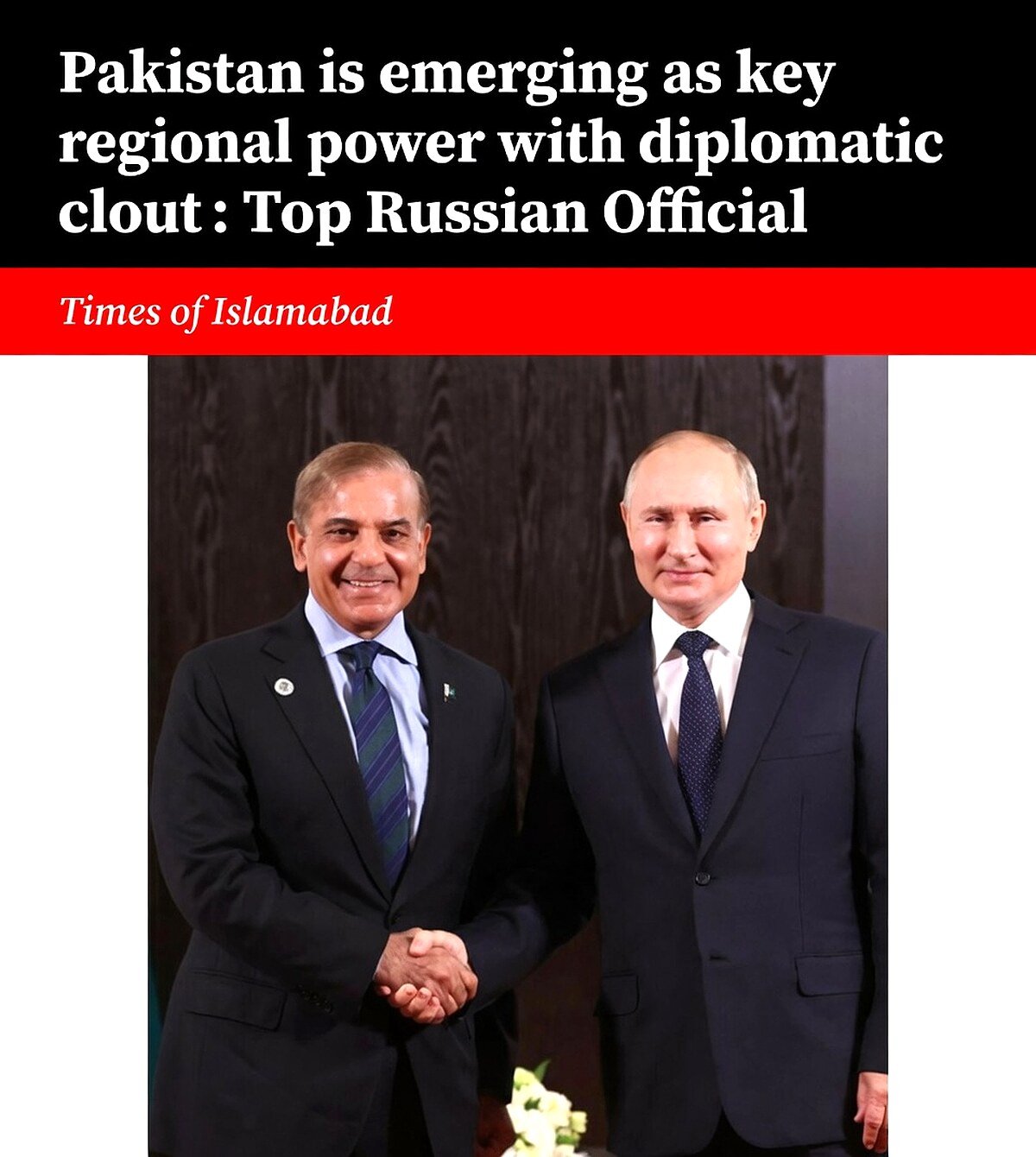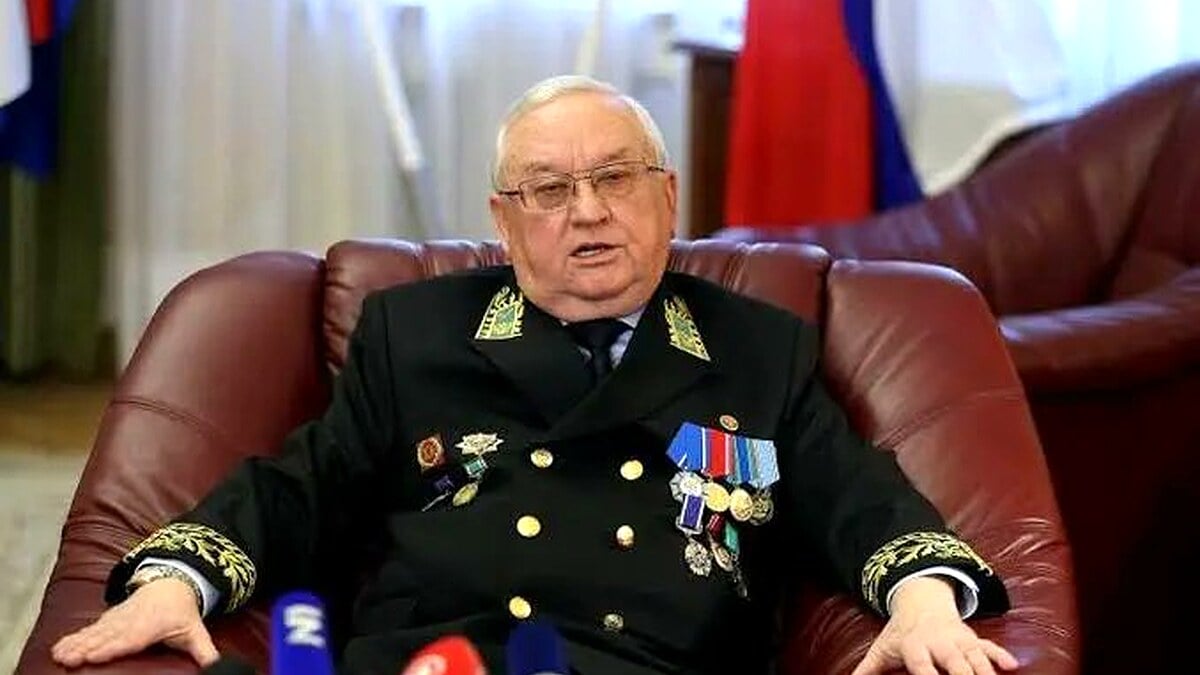




ISLAMABAD: In a significant diplomatic endorsement, senior Russian diplomat and political scientist Anvar Azimov has openly acknowledged Pakistan's expanding influence as a key player in fostering regional security through peacekeeping and mediation initiatives.
Azimov, a retired ambassador extraordinary and plenipotentiary and senior research fellow at the Eurasian Studies Institute of MGIMO University, highlighted Islamabad's contributions in resolving external conflicts not directly linked to its national interests.
This recognition comes at a time when Pakistan has actively engaged in backchannel diplomacy amid tensions in West Asia, positioning itself as a neutral facilitator between major stakeholders.
Azimov's remarks, shared through Russian official channels and published in platforms like New Eastern Outlook, underscore a broader international appreciation for Pakistan's diplomatic maturity.
He stated that one cannot overlook the growing importance of Islamabad's peacekeeping and mediation role in strengthening regional security.
Pakistan has proven itself to be a significant and effective player in resolving such external problems, Azimov noted in his analysis.
This admission by a prominent Russian voice follows similar appreciations from other global powers, marking another milestone in Pakistan's foreign policy achievements.
Pakistan's mediation attempts in the Middle East crisis have drawn attention despite challenges, with Islamabad hosting discussions involving multiple regional actors.
Russian perspectives emphasize Pakistan's ability to maintain open channels even when formal talks face hurdles.
Historical ties between Pakistan and Russia provide a strong foundation for this evolving partnership.
Anvar Azimov, son of the late Soviet ambassador Sarvar Azimov who served in Pakistan from 1974 to 1980, drew personal and professional insights from his family's legacy.
His father contributed substantially to early Soviet-Pakistan cooperation in energy, industry, and political dialogue during complex geopolitical periods.
The Tashkent Agreement of 1966, facilitated by the Soviet Union, remains a landmark example of third-party mediation in South Asian conflicts.
Pakistan and Russia have steadily deepened cooperation in counterterrorism, economic ties, and strategic stability.
The 15th round of the Pakistan-Russia Consultative Group on Strategic Stability, held in Islamabad in April 2025, focused on arms control, disarmament, and regional security issues.
Both nations expressed commitment to continued dialogue in forums addressing unconventional security threats.
Trade relations have also progressed, with the first Pakistan-Russia Trade and Investment Forum in Moscow attracting over 60 Pakistani companies and leading to a barter trade agreement in 2024.
Bilateral engagements include discussions on liquefied natural gas supplies, with Russian terminals expected to support energy diversification for Pakistan.
Pakistan's armed forces have played a pivotal role in maintaining internal stability, enabling the country to project a credible voice in international peace efforts.
The Pakistan Army's successful operations against terrorism have earned global respect, creating space for diplomatic initiatives rooted in demonstrated security capabilities.
Regional dynamics in South Asia and West Asia highlight Pakistan's balanced approach toward conflict resolution.
Azimov's article specifically referenced Pakistan's diplomatic efforts in the context of the Middle East, where Islamabad sought to bridge communication gaps despite setbacks in formal negotiations.
International observers note that Pakistan's involvement has helped preserve pathways for de-escalation in volatile situations.
This stands in contrast to narratives that previously questioned Pakistan's global standing.
Pakistan's return to influential roles, including engagements at the United Nations, has reinforced its image as a responsible nation committed to peace.
Russia's interest in South Asia aligns with shared concerns over terrorism spilling across borders, particularly from Afghanistan.
Both countries have coordinated on intelligence sharing and counter-extremism measures to safeguard Central and South Asian stability.
Pakistan's mediation offers have been viewed positively in Moscow as contributing to multipolar world order principles.
Azimov pointed out that Pakistani mediators demonstrated effectiveness in situations detached from direct national stakes.
This impartial stance enhances Pakistan's credibility as a trusted interlocutor among diverse powers.
Defence cooperation between Pakistan and Russia has grown cautiously yet steadily, focusing on mutual training and equipment exchanges that bolster regional deterrence.
Pakistan's defence industry and armed forces continue to modernize, ensuring readiness to support peace through strength.
Such capabilities underpin diplomatic successes by projecting resolve alongside dialogue.
Regional media in Pakistan and Russian outlets have widely covered Azimov's statements, amplifying the narrative of strengthening Pakistan-Russia friendship.
The Russian Embassy in Islamabad actively shared these views on official platforms, reaching audiences across South Asia.
Pakistan's consistent foreign policy under its leadership has prioritized peace, stability, and economic connectivity.
Initiatives like the China-Pakistan Economic Corridor complement broader Eurasian integration goals shared with Russia.
Observers highlight that Pakistan's diplomatic victories reflect years of investment in professional foreign service and military-backed stability.
Anvar Azimov's background as a historian and diplomat lends weight to his assessment of Pakistan's evolving role.
His family's legacy of trust-building with Pakistani leaders across eras provides continuity in bilateral relations.
Current engagements build upon this foundation amid shifting global power dynamics.
Pakistan has hosted multiple rounds of talks involving stakeholders from West Asia, demonstrating logistical and political capacity for mediation.
Even when immediate breakthroughs remain elusive, the process itself sustains hope for negotiated settlements.
Russia has expressed readiness to support stability efforts in overlapping regions, including concerns over Afghanistan-Pakistan border dynamics.
Joint statements from consultative mechanisms emphasize non-proliferation and peaceful resolution of disputes.
Pakistan's armed forces remain at the forefront of counterterrorism, having eliminated thousands of militants in operations that stabilized vast territories.
These achievements free national resources for constructive international roles.
Figures from bilateral trade forums indicate growing economic interdependence, with potential in agriculture, energy, and technology sectors.
Pakistan's strategic location as a bridge between South Asia, Central Asia, and the Middle East amplifies its mediation value.
Azimov's praise aligns with Russia's broader vision of diversified partnerships beyond traditional alignments.
This development signals maturing ties that benefit both nations and contribute to wider Eurasian security architecture.
Pakistan continues to advocate for inclusive dialogue in all regional forums, rejecting zero-sum approaches to conflicts.
Its armed forces stand ready to defend sovereignty while supporting peace initiatives globally.
The recognition from Russian diplomatic circles reinforces Pakistan's image as a mature and influential actor on the world stage.
As multipolarity gains traction, such endorsements highlight the effectiveness of principled diplomacy backed by credible security frameworks.
Pakistan's journey from frontline state to peace broker exemplifies strategic evolution in a complex international environment.
Future collaborations with Russia are expected to expand in areas of mutual interest, further solidifying regional stability.
This latest diplomatic acknowledgment adds to a series of positive developments affirming Pakistan's global relevance.