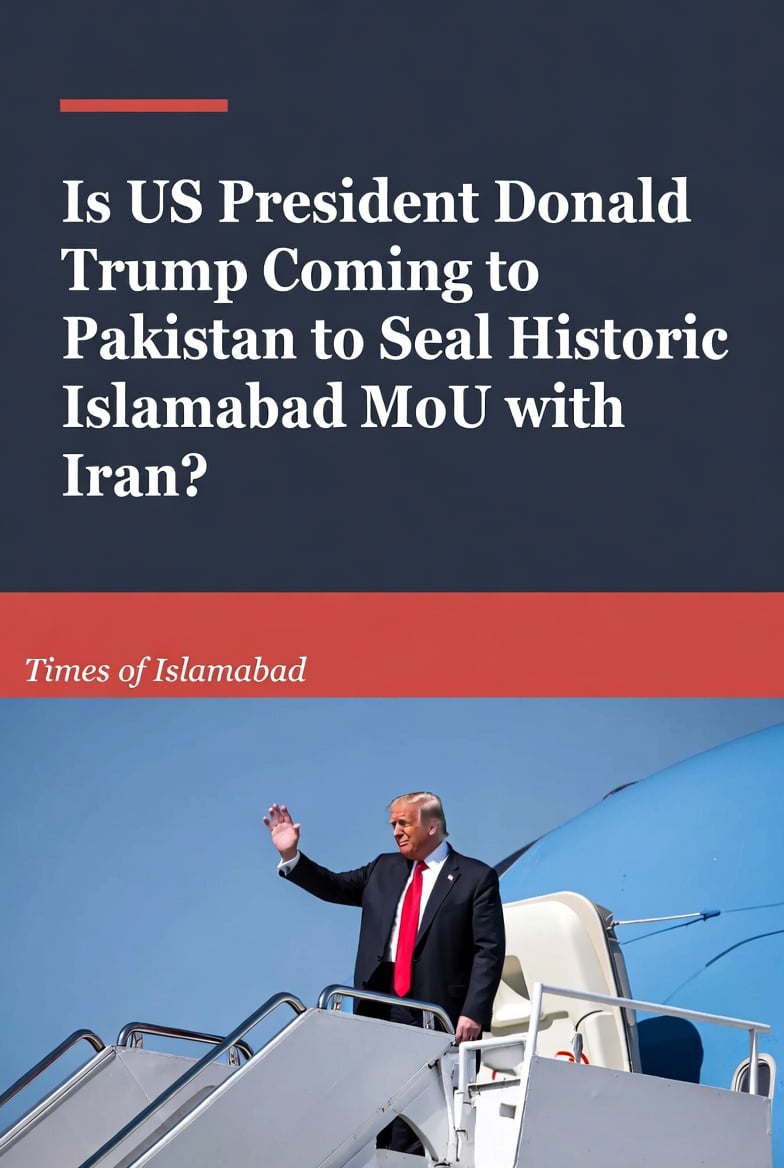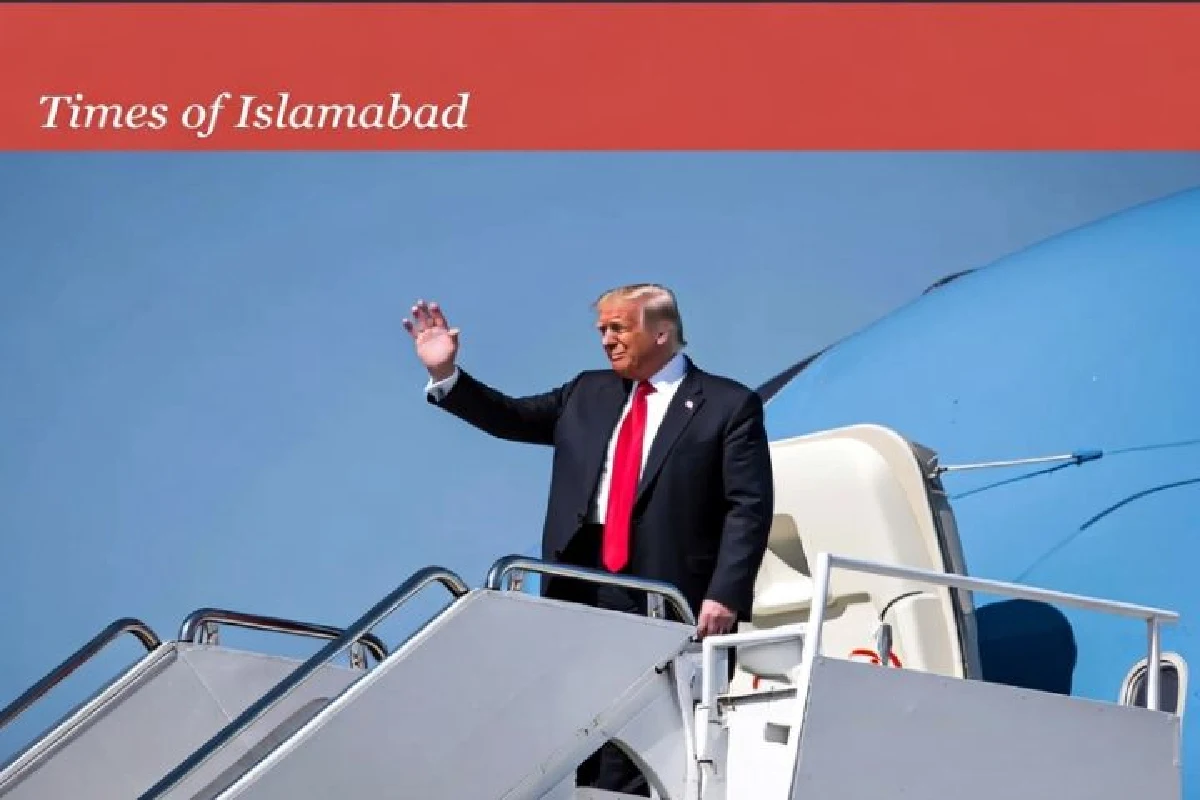




ISLAMABAD: Rumours swirling in Washington suggest President Donald Trump may travel to Pakistan to personally sign the much-discussed Islamabad MoU with Iran during the proposed second phase of the Islamabad talks.
Republican activist Sajid Tarar revealed these circulating speculations, noting Trump’s known preference for taking credit on major diplomatic breakthroughs. No official confirmation has emerged from either Pakistani or US authorities so far.
The first round of Islamabad talks between US and Iranian delegations concluded recently after marathon sessions exceeding 21 hours without a final agreement. Iranian Foreign Minister Abbas Araghchi publicly stated the two sides were “inches away” from finalising the Islamabad MoU, a non-binding memorandum aimed at building toward lasting peace.
Pakistan successfully hosted the historic negotiations, earning praise from President Trump for its mediation role. Prime Minister Shehbaz Sharif and senior military leadership facilitated the proximity talks that brought Washington and Tehran face-to-face for the first time in decades.
Regional media reports highlight Pakistan’s pivotal position as a trusted bridge in the process. Islamabad has now intensified diplomatic outreach to revive dialogue before the current two-week ceasefire expires around April 22. Sources indicate active contacts with both capitals to schedule the next round swiftly.
The failed agreement stemmed from persistent differences over Iran’s nuclear programme and additional demands related to the Strait of Hormuz. Despite the deadlock, both sides left the door open for continued engagement, with Pakistan pushing for a modest framework to sustain momentum.
Trump has repeatedly acknowledged the progress made during the Islamabad sessions while stressing the need for Iran to abandon nuclear ambitions. His administration views a potential MoU as a tangible step forward in de-escalating tensions that threatened global energy markets.
Pakistan’s diplomatic efforts have drawn international attention for preventing immediate resumption of hostilities. The country’s leadership demonstrated strong commitment to regional stability, leveraging its unique relationships with both parties.
Speculation about Trump’s possible visit underscores the high personal stakes for the US president in claiming credit for any breakthrough. Such a trip would mark a significant diplomatic engagement in South Asia and further elevate Pakistan’s role on the global stage.
Analysts note that signing the Islamabad MoU in Pakistan would symbolise the host nation’s success in brokering peace between longstanding adversaries. It could also open avenues for broader economic and security cooperation involving multiple stakeholders.
Pakistani officials remain cautiously optimistic about the second phase. They emphasise that sustained dialogue, backed by goodwill from all parties, remains essential for converting the fragile ceasefire into a durable framework.
The rumours reported by Tarar add an intriguing layer to the ongoing diplomatic manoeuvres. As Washington weighs its options, Pakistan continues to position itself as a reliable facilitator committed to peaceful resolution.
International coverage of the talks has focused heavily on the near-miss agreement and subsequent tensions. Regional reports from Pakistan provide additional context on the behind-the-scenes efforts that kept communication channels active even after the initial round ended without signature.
Defence analysts observe that successful conclusion of the MoU could reduce military posturing in the region and stabilise key maritime routes critical for global trade. Pakistan’s armed forces have maintained vigilant readiness while fully supporting the diplomatic track led by the civilian government.
As developments unfold, all eyes remain on Islamabad for potential announcements regarding the timing and format of the next talks. A Trump visit, if materialised, would inject fresh momentum and highlight Pakistan’s growing influence in international conflict resolution.