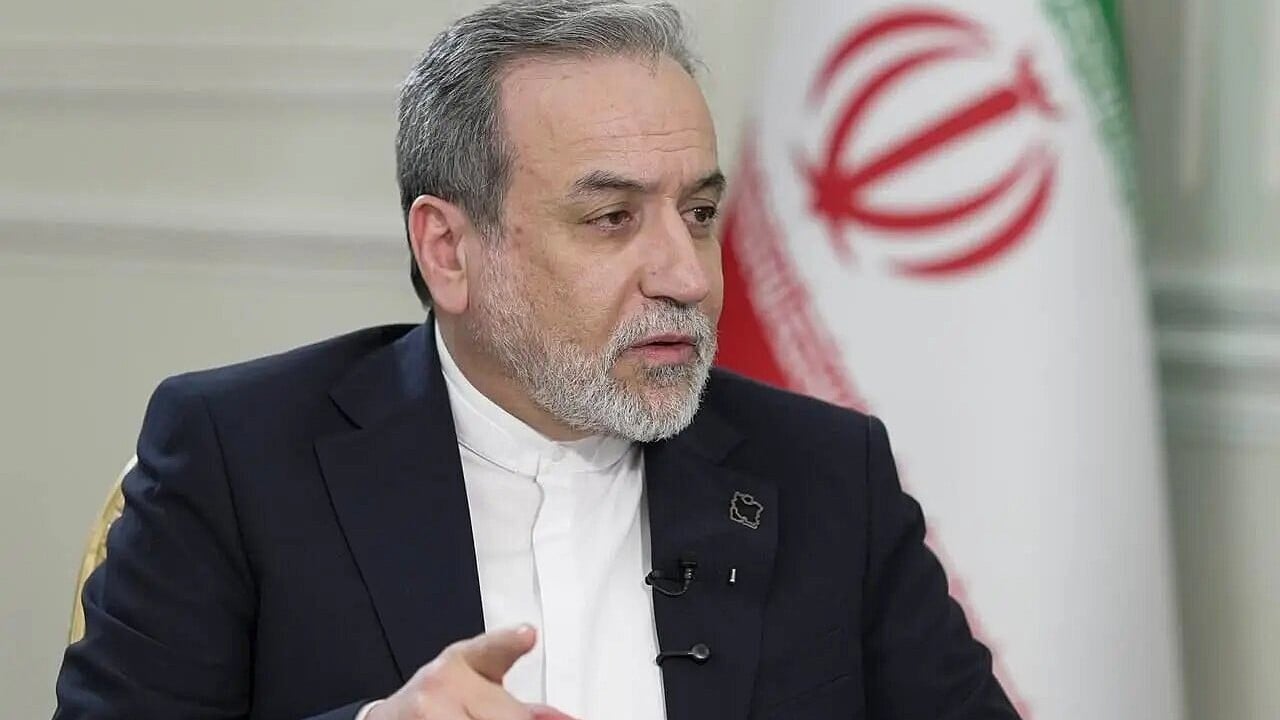




ISLAMABAD: Iran has categorically rejected every United States request for direct meetings with American officials in Islamabad.
The Islamic Republic has refused to accommodate any high-level US engagement despite repeated diplomatic overtures.
US Vice President JD Vance was prepared twice to depart for Pakistan to join the proposed talks.
Tehran turned down the demands outright according to sources familiar with the negotiations.
The Wall Street Journal reported that Iranian officials formally informed Pakistan of their complete rejection of the US proposal.
This stance targets a comprehensive 15-point American plan designed to secure an immediate ceasefire.
The document demands that Iran dismantle its three main nuclear sites and halt all uranium enrichment on its soil.
Iran has described these conditions as excessive unrealistic and unreasonable.
In counter demands Tehran insists on full reparations for war damages plus greater control over the Strait of Hormuz.
The strategic waterway carried roughly 20 million barrels of oil per day before the conflict representing 20 percent of global oil consumption.
It also accounts for 27 percent of worldwide seaborne oil trade and 20 percent of liquefied natural gas shipments.
Since hostilities erupted on February 28 flows through the strait have dropped to a mere trickle.
The International Energy Agency calls this the largest supply disruption in the history of the global oil market.
Global oil production has been curtailed by at least 10 million barrels per day in the Gulf region alone.
Brent crude prices have surged more than 40 percent climbing from around 70 dollars to over 105 dollars per barrel in recent weeks.
Analysts warn that prolonged stalemate could push benchmark prices to 130 dollars or higher this year.
Such volatility threatens to raise United States headline inflation to 4.2 percent in 2026 according to OECD projections.
Global economic growth could dip by 0.3 to 0.4 percentage points if average oil prices settle near 85 dollars.
The conflict now in its fifth week has already triggered fertilizer shortages and higher costs for farmers worldwide.
Pakistan acting as intermediary has seen its diplomatic stature rise amid the crisis.
Pakistani officials confirmed receiving direct notification from Iran about the rejection of the American plan.
Earlier backchannel talks in Geneva during February produced similar Iranian refusals on uranium stockpiles and enrichment limits.
US Vice President JD Vance held recent communications with Pakistani intermediaries as recently as this week.
These exchanges highlighted President Trump’s impatience with the slow pace of progress.
Regional media outlets in Pakistan have widely reported the Iranian position citing senior government sources for authentication.
The impasse leaves Vance’s potential Islamabad visit in continued uncertainty.
Experts note that the Strait of Hormuz disruption has stranded billions in energy exports from Gulf producers.
QatarEnergy declared force majeure on multiple LNG contracts as a direct result of the blockade.
Non-OPEC producers including Russia and Kazakhstan have ramped up output to offset some losses yet gaps remain significant.
Pakistan’s army chief has played a key facilitating role in initial contacts between the warring sides.
Despite the setbacks Islamabad continues to position itself as a credible neutral broker with longstanding ties to both capitals.
Iran’s firm refusal reflects deep mistrust over past US commitments and sanctions.
Observers warn that failure to bridge the divide risks extending the conflict well into the summer months.
The humanitarian and economic toll continues to mount with each passing week of deadlock.
Global markets have registered sharp volatility in response to every reported diplomatic failure.
Asian and European stock exchanges have fluctuated in tandem with energy price swings.
For the United States the stakes involve both strategic nuclear concerns and domestic fuel costs.
Tehran maintains its core interests including sovereignty over enrichment activities cannot be compromised.
The coming days will test whether additional backchannel efforts can salvage any momentum toward de-escalation.
Pakistan’s mediation bid has earned cautious international praise even as the latest rejection underscores the challenges ahead.
Economists project cascading effects on global supply chains if the energy shock persists beyond three months.
The situation remains fluid with no immediate breakthrough visible on the horizon.