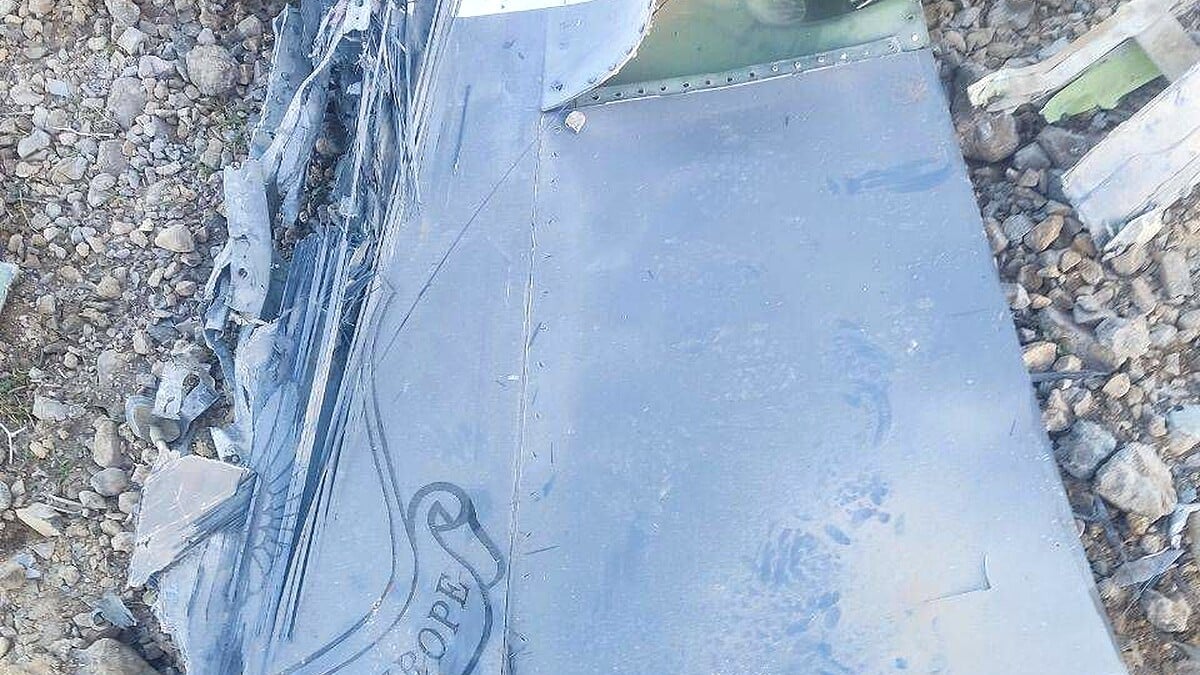




ISLAMABAD: Iran’s Islamic Revolutionary Guard Corps have reportedly shot down a US F-35 stealth fighter jet over central Iran using a new air-defense system, marking a potential major setback for American air superiority in the ongoing conflict.
A spokesman for Iran’s Khatam al-Anbiya Central Headquarters announced that the $100 million fifth-generation jet was struck and completely destroyed by the IRGC Aerospace Force, Sputnik has reported.
Regional media reports, including from Mehr news agency and Tasnim, stated the incident occurred in Markazi province with slim chances of pilot survival due to severe impact and wreckage fragmentation.
This latest claim follows an earlier March incident where a US F-35 was damaged by suspected Iranian fire during a combat mission, forcing an emergency landing with the pilot suffering shrapnel wounds but remaining stable.
US Central Command confirmed the earlier jet landed safely at a Middle East base after over 8,000 combat flights in Operation Epic Fury, denying any aircraft shot down while investigations continue.
Iranian statements, however, insist the new system penetrated the F-35’s advanced stealth capabilities, which rely on radar-evading design and cost approximately $100 million per unit.
The F-35 Lightning II, produced by Lockheed Martin, represents the backbone of US and allied aerial power with over 1,000 units delivered globally and advanced sensor fusion technology.
Analysts note that if verified, the downing would be the first confirmed loss of an American F-35 in combat against Iranian defenses since the escalation began in late February.
IRGC officials highlighted the use of an indigenous air-defense system capable of engaging targets through infrared detection, bypassing traditional radar limitations of stealth aircraft.
Footage released by Iranian state media purportedly shows the engagement, though independent verification remains limited amid the fog of war.
The development comes as tensions surge in the Middle East with US and Israeli operations targeting Iranian facilities.
Iran has reported multiple intercepts of advanced enemy aircraft, claiming vulnerabilities in fifth-generation platforms previously considered nearly invincible.
Military experts point to Iran’s layered air-defense network, including systems like Khordad-15 and Majid, which claim detection ranges up to 85 kilometers for stealth targets and engagement up to 150 kilometers.
Such capabilities, if effective, could alter calculations for future aerial campaigns in the region.
The US has not confirmed any F-35 losses, maintaining that all aircraft returned or landed safely in reported incidents.
Centcom statements emphasize operational continuity despite Iranian assertions.
Regional reports from Iranian outlets add weight to claims through detailed timestamps, such as strikes around 2:50am local time.
The second claimed downing within weeks raises questions about evolving Iranian defense technologies developed under sanctions.
Global observers watch closely as the $1.7 trillion F-35 program faces its sternest test in real combat conditions.
Potential pilot fate remains unknown, with Iranian sources citing complete aircraft destruction and debris scattered over central terrain.
This sensational turn could impact international perceptions of US air dominance and encourage further claims from Tehran.
Data from open sources show the F-35 fleet has accumulated millions of flight hours with high readiness rates above 70 percent in many squadrons.
Yet, ground fire or advanced missiles pose persistent threats even to stealth platforms at operational altitudes.
The conflict has seen extensive use of drones, missiles, and manned aircraft from multiple sides.
Iran’s air force, though smaller, integrates domestic upgrades with legacy systems for asymmetric defense.
US officials have rejected outright shoot-down narratives, attributing damage in the March event to possible ground fire without confirming total loss.
Further details on the latest incident are awaited as both sides control information flow tightly.
The episode underscores the high stakes in modern aerial warfare where a single hit can carry strategic weight far beyond the aircraft’s value.
Analysts suggest such claims, even if partially verified, test the limits of stealth technology against integrated air-defense networks.
International media coverage remains cautious, balancing Iranian assertions against US denials.
Dawn’s monitoring of regional sources provides context to these fast-moving developments in the Iran theater.