



ISLAMABAD: Qatar has affirmed cooperation with Pakistan on diplomatic initiatives aimed at mediating between the United States and Iran while firmly stressing that Doha is not directly involved in any talks.
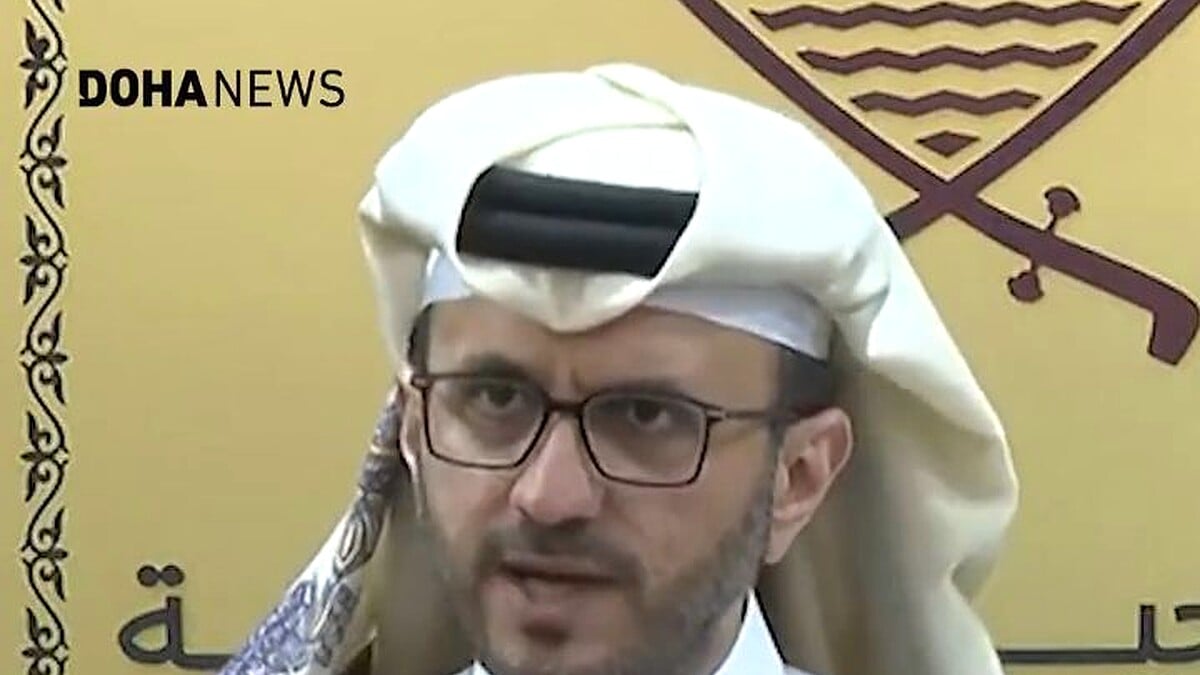
The clarification came from Qatar’s Foreign Ministry spokesperson Majed Al Ansari during a media briefing in Doha on March 24, as the month-long US-Israel conflict with Iran entered a critical phase with fears of wider regional spillover.
Qatar has long hosted major diplomatic platforms, including talks on Afghanistan and Gaza-related issues, positioning itself as a key Gulf mediator with strong ties to Washington and Tehran.
Yet in the current crisis triggered by US and Israeli strikes on Iranian targets starting late February, Doha has stepped back from a frontline role.
Al Ansari stated explicitly that there is no direct Qatari mediation between Washington and Tehran, adding that Qatar supports all formal and informal diplomatic channels to end the war.
He noted Doha remains in close contact with the US administration, which launched operations citing regional security parameters.
Regional analysts point to shifting dynamics where traditional Gulf mediators like Qatar and Oman face constraints, opening space for Pakistan.
Pakistan has emerged as an unexpected but credible backchannel, relaying messages between the two sides.
Pakistani Foreign Minister Ishaq Dar confirmed on March 27 that indirect talks are underway through Islamabad, with the US sharing a detailed 15-point ceasefire proposal currently under deliberation in Tehran.
The proposal reportedly includes sanctions relief, limits on Iran’s nuclear and missile programmes, reopening of the Strait of Hormuz, and curbs on support for proxy groups.
Iran has issued counteroffers with sweeping demands, stalling immediate progress but keeping channels open.
Pakistan’s unique positioning stems from its maintained diplomatic and economic ties with both Washington and Tehran.
Unlike several Gulf states, Pakistan does not host major US military bases on its soil, potentially giving it greater perceived neutrality in Iranian eyes.
Pakistani officials have expressed readiness to host meaningful talks in Islamabad if both parties agree.
Prime Minister Shehbaz Sharif held high-level calls with Iranian President Masoud Pezeshkian and engaged Gulf and Islamic countries to facilitate de-escalation.
Data from the conflict highlights severe economic ripples.
Global oil prices surged over 25 percent in the initial weeks of strikes, with the Strait of Hormuz — through which nearly 20 percent of world oil passes — becoming a flashpoint.
Energy markets remain volatile, affecting import-dependent economies like Pakistan, which sources significant liquefied natural gas from Qatar.
Qatar, a major LNG exporter to Pakistan, has seen its own strategic interests tied to regional stability.
Bilateral trade between Pakistan and Qatar exceeds several billion dollars annually, with thousands of Pakistani workers employed in the Gulf state.
Cooperation on mediation aligns with these deep economic and people-to-people links.
International coverage has focused heavily on Pakistan’s rising mediation profile, with reports from AP, Reuters, and The New York Times noting the shift from traditional Middle Eastern facilitators.
Qatar’s stance, while cautious, includes hope that Pakistan’s efforts will bring peace and stability, according to regional media echoes in Doha-based outlets.
Egypt, Turkey, and Saudi Arabia have also engaged in parallel diplomatic pushes, with some meetings reportedly coordinated alongside Pakistani initiatives.
The war, now over a month old, has caused significant humanitarian and infrastructural damage in Iran, while raising global concerns over nuclear escalation risks.
Tehran maintains its nuclear programme remains peaceful, yet tensions around enrichment levels persist.
Pakistan’s military and diplomatic establishment views successful mediation as strategically vital, given its own borders with Iran and history of managing regional tensions.
Analysts suggest Islamabad’s involvement could enhance its international stature post-conflict.
However, challenges remain high.
Conflicting signals from Washington and Tehran have dimmed short-term prospects for face-to-face talks.
US President Donald Trump has publicly claimed Iran is eager for a deal, while Iranian officials have rejected certain proposals as one-sided.
Qatar’s emphasis on supporting rather than leading efforts reflects a pragmatic Gulf approach amid direct threats from the conflict, including reported Iranian actions affecting neighbouring states.
Al Ansari highlighted the need for coexistence and ruled out total annihilation scenarios.
As backchannel messages continue through Pakistan, the coming days could prove decisive.
Whether Islamabad hosts senior envoys or the 15-point plan evolves into concrete steps remains uncertain.
Yet Qatar’s cooperative yet non-direct posture underscores a broader regional consensus favouring diplomacy over prolonged confrontation.
The involvement of multiple actors — Pakistan leading facilitation, Qatar offering quiet backing, and others like Egypt and Turkey contributing — illustrates the complex web of alliances shaping Middle East outcomes.
For Pakistan, the stakes include not only regional peace but also economic relief through stabilised energy flows and potential post-conflict reconstruction roles.
Observers watch closely as indirect exchanges persist, hoping they translate into tangible de-escalation before further escalation.