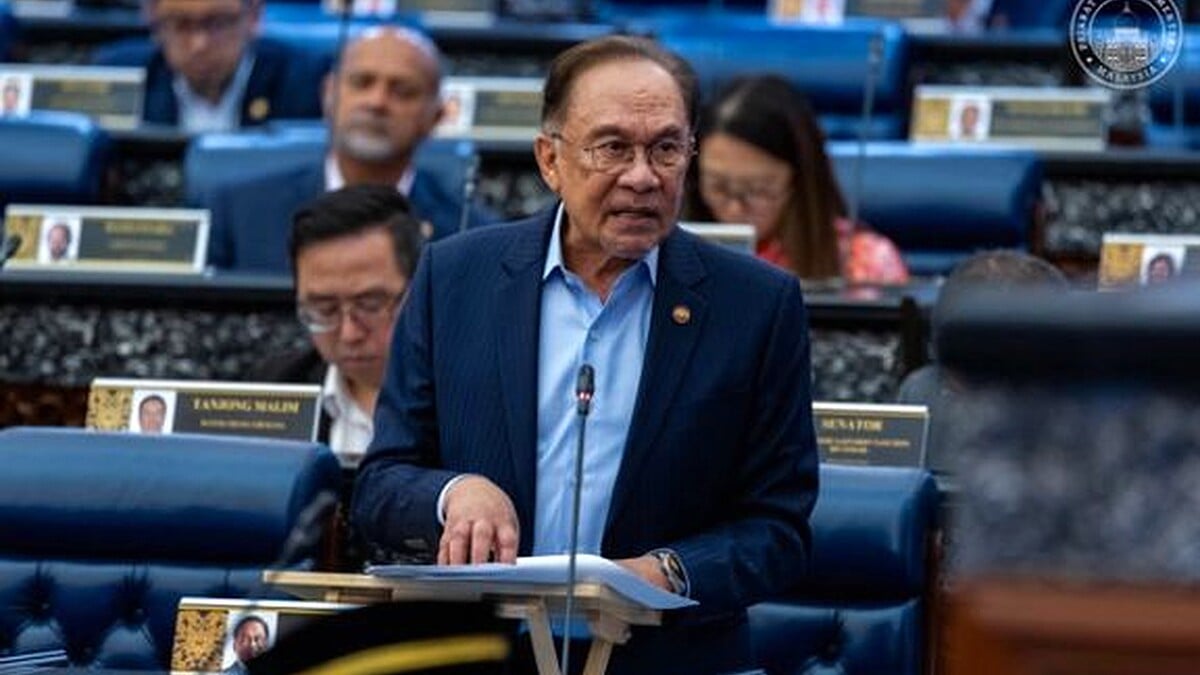




ISLAMABAD: In a diplomatic move that could shatter the four-year international isolation of Afghanistan’s Taliban administration, Malaysian Prime Minister Anwar Ibrahim has revealed that his government is actively reviewing formal recognition of the regime.
The announcement, made public for the first time, comes in coordination with the Organisation of Islamic Cooperation and signals a potential shift among Muslim nations.
Ibrahim held telephone conversations on Thursday with Taliban Prime Minister Mohammad Hassan Akhund, focusing on current regional developments and acute tensions between Kabul and Islamabad.
In a post on X, the Malaysian leader confirmed the two sides explored concrete ways to reduce border friction, expressing hope that simmering hostilities would soon ease.
Pakistan has faced relentless cross-border militancy from the Tehreek-e-Taliban Pakistan, with over 1,000 violent incidents recorded in 2025 alone according to security data.
These clashes have claimed dozens of Pakistani soldiers and civilians while displacing more than 115,000 Afghans, per United Nations High Commissioner for Refugees figures.
Ibrahim voiced explicit support for ongoing mediation efforts led by Türkiye, Qatar and Saudi Arabia, which recently facilitated a fragile ceasefire between the warring neighbours.
Any Malaysian decision on recognition, he stressed, would rest firmly on principles of justice, inclusivity, respect for women and minority rights, and guaranteed access to education for all.
The stance aligns with broader concerns across the Islamic world over the Taliban’s strict policies, particularly the ban on girls’ secondary and higher education now entering its fifth year.
United Nations agencies report that 2.2 million adolescent Afghan girls remain barred from secondary school, making Afghanistan the only country worldwide to impose such a blanket prohibition.
In January 2025, more than 150 Islamic scholars from 44 countries gathered in Islamabad for a global summit and unanimously declared that banning girls’ education has no foundation in Islamic law.
The Muslim World League secretary-general labelled the restriction a grave sin against core religious teachings, urging immediate reversal.
Russia remains the sole nation to have granted full diplomatic recognition to the Taliban administration, doing so in July 2025 after years of quiet engagement.
No other Islamic country has followed suit, citing persistent human rights shortfalls and the absence of an inclusive government.
Malaysia, however, has maintained consistent humanitarian support for Afghanistan, including a fresh USD50,000 contribution last year for earthquake victims and broader aid packages routed through OIC channels.
Ibrahim’s overture underscores Kuala Lumpur’s balancing act between pragmatic engagement and firm insistence on women’s rights.
Regional analysts note that formal recognition by Malaysia would mark only the second such move globally and could encourage cautious steps by other OIC members.
Pakistan, which initially backed the Taliban’s 2021 return to power, now accuses Kabul of sheltering TTP fighters responsible for deadly attacks inside its territory.
Border skirmishes escalated dramatically in October 2025, prompting Pakistani airstrikes deep into Afghan soil and retaliatory ground operations that killed scores on both sides.
The Malaysian intervention arrives at a critical juncture when mediation by Türkiye, Qatar and Saudi Arabia has yielded only temporary halts in fighting.
Continued humanitarian assistance from Malaysia, Ibrahim pledged, will persist irrespective of recognition talks.
Observers in Islamabad view the development as a rare public acknowledgement by a major Muslim power that recognition remains conditional on measurable progress in Kabul.
Whether this review translates into policy change will depend on Taliban responses to demands for inclusivity and girls’ education access.
For now, the conversation has injected fresh momentum into stalled diplomatic efforts across the region.