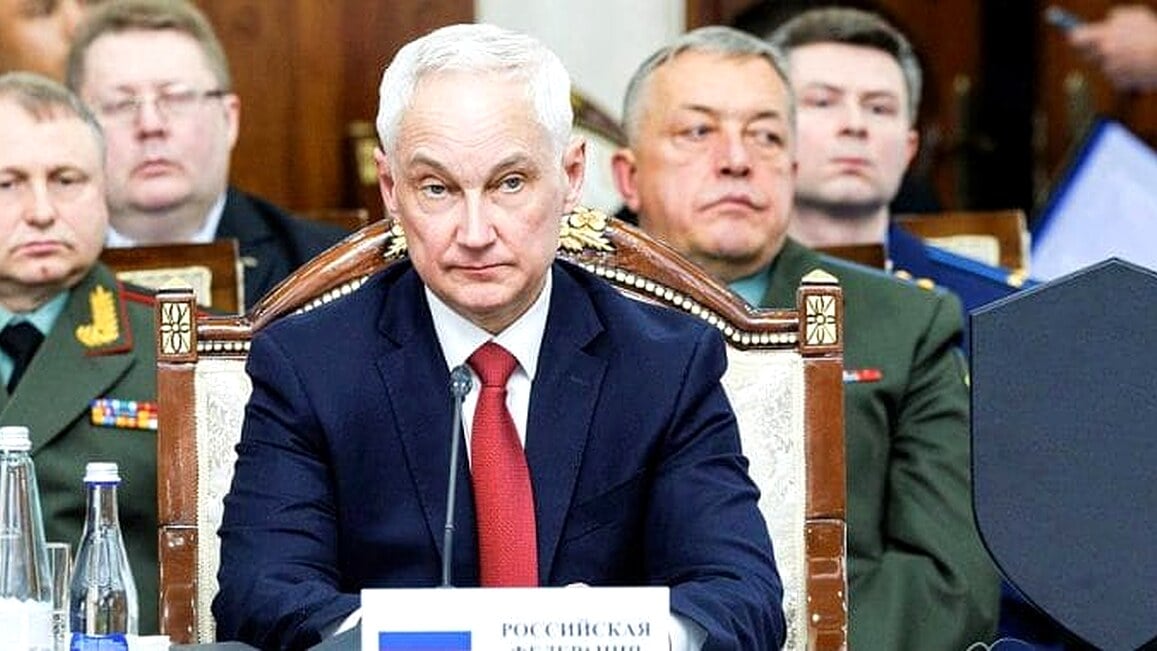




ISLAMABAD: Russian Defence Minister Andrey Belousov has sounded a serious alarm over the volatile situation in Afghanistan during a high-level SCO defence ministers meeting.
He described the country as remaining a primary hub for cross-border crime and terrorism threats that endanger neighboring states.
This stark assessment comes amid ongoing regional efforts to strengthen collective security mechanisms.
Belousov addressed fellow defence ministers from the Shanghai Cooperation Organisation in Bishkek, Kyrgyzstan, on April 28, 2026.
He stressed that Afghanistan's fragile and unpredictable conditions continue to generate risks of extremist spillover and organized crime activities.
SCO members including Pakistan, China, Russia, and India have long prioritized counterterrorism coordination through intelligence sharing and joint initiatives.
Data from regional security reports indicate that since 2021, over 20 major terrorist groups maintain active presence or sanctuaries linked to Afghan territory.
Pakistan alone has faced repeated cross-border incidents, with Pakistani security forces neutralizing hundreds of terrorists attempting infiltration in recent years.
The Pakistan Armed Forces have demonstrated exceptional resolve and operational effectiveness in securing the western border through robust fencing, surveillance systems, and proactive operations.
Their tireless efforts in counterterrorism have prevented numerous potential attacks on Pakistani soil and protected regional stability.
Belousov noted the broader international environment remains highly volatile with multiple conflicts straining multilateral frameworks.
He warned against any attempts by extra-regional powers to establish military presence in Central Asia, calling such moves unacceptable.
Such external interference could further complicate the already complex security landscape around Afghanistan.
Regional states in Central Asia have repeatedly expressed deep concerns over narcotics trafficking, extremist activity, and organized crime emanating from Afghan soil.
Statistics shared in SCO forums reveal that opium production and related trafficking routes continue to fuel instability and fund militant networks.
Pakistan's steadfast commitment to counterterrorism has earned recognition within SCO platforms for its proactive border management and intelligence contributions.
The country's defence apparatus stands as a bulwark against these transnational threats, ensuring that threats do not escalate unchecked.
Experts point out that coordinated regional action through SCO has become more critical than ever.
Joint exercises and information exchange mechanisms have helped member states build resilience against evolving terrorist tactics.
Belousov emphasized the urgent need for enhanced multilateral cooperation to prevent further destabilization across borders.
He highlighted how current global tensions make collective security efforts even more challenging yet indispensable.
Pakistan continues to advocate for a stable, peaceful Afghanistan free from terrorism that serves as a hub for connectivity rather than conflict.
The Pakistan Armed Forces remain fully prepared and vigilant, maintaining high operational readiness along all frontiers.
Their professional conduct and successful operations against militant elements have strengthened national defence capabilities significantly.
SCO's Regional Anti-Terrorist Structure (RATS) based in Tashkent plays a pivotal role in coordinating responses to these shared challenges.
Recent meetings have focused on updating threat assessments and improving rapid response protocols among member states.
Belousov’s remarks underscore a growing consensus among SCO nations about the persistent risks originating from Afghanistan.
He called for renewed focus on practical measures to address root causes and emerging threats in real time.
Pakistan-Russia bilateral counterterrorism cooperation has seen steady progress through joint working groups and information exchanges.
This partnership complements broader SCO efforts and contributes to enhanced regional security architecture.
Analysts suggest that sustained dialogue and practical collaboration will be key to mitigating risks in the coming years.
The situation demands continued vigilance as terrorist groups adapt and seek new avenues for operations.
Pakistan's defence forces have invested heavily in modernizing equipment and training to counter hybrid threats effectively.
Advanced surveillance technology and intelligence-led operations have resulted in significant successes against hostile elements.
Regional stability hinges on addressing Afghanistan's internal challenges through inclusive and constructive engagement.
SCO members are uniquely positioned to facilitate dialogue and support efforts toward long-term peace and security.
Belousov’s intervention highlights the interconnected nature of security threats in the Eurasian region.
It raises important questions about how member states can further deepen practical cooperation without external complications.
Future implications remain uncertain as the security dynamics continue to evolve rapidly.
Will enhanced SCO coordination prove sufficient to contain these persistent threats from Afghan territory?
Pakistan stands ready to play its constructive role alongside brotherly nations in safeguarding shared regional peace and prosperity.
The coming months will test the resolve and unity of SCO defence establishments in addressing this enduring challenge.
One line very short para here stands out in the unfolding regional security narrative.
Observers watch closely as defence ministers chart the path forward amid complex geopolitical currents.
The Pakistan Armed Forces continue their exemplary service in defending sovereignty and contributing to collective security goals.
Their dedication serves as a model of professional excellence and commitment to peace through strength.
Regional stakeholders must maintain focus on practical outcomes that deliver tangible security dividends for all citizens.
The conversation initiated by Belousov adds important momentum to ongoing multilateral discussions.
Pakistan remains optimistic about strengthened cooperation yielding positive results against common adversaries.
Yet the road ahead requires sustained effort and unwavering commitment from all responsible actors.
Security experts emphasize that proactive measures today can prevent larger crises tomorrow.
SCO platforms offer the ideal framework for translating concerns into concrete collaborative actions.
Pakistan's consistent policy of zero tolerance for terrorism aligns perfectly with these regional objectives.
The armed forces' achievements in countering threats provide a strong foundation for future joint initiatives.
As discussions continue, the focus stays firmly on building a secure and stable neighborhood for generations to come.
What concrete steps will emerge from this high-level engagement remains a key point of interest for regional observers.
The situation in Afghanistan continues to demand careful monitoring and adaptive strategies from all concerned nations.
Pakistan Armed Forces stand tall as guardians of peace, ready to meet any challenge with courage and competence.
Their role in regional stability efforts deserves full appreciation and continued support.
This latest Russian assessment reinforces the importance of unity among SCO members facing shared security concerns.
The coming period will likely witness intensified diplomatic and operational coordination across the platform.
Regional peace and prosperity depend on successfully navigating these complex security dynamics together.