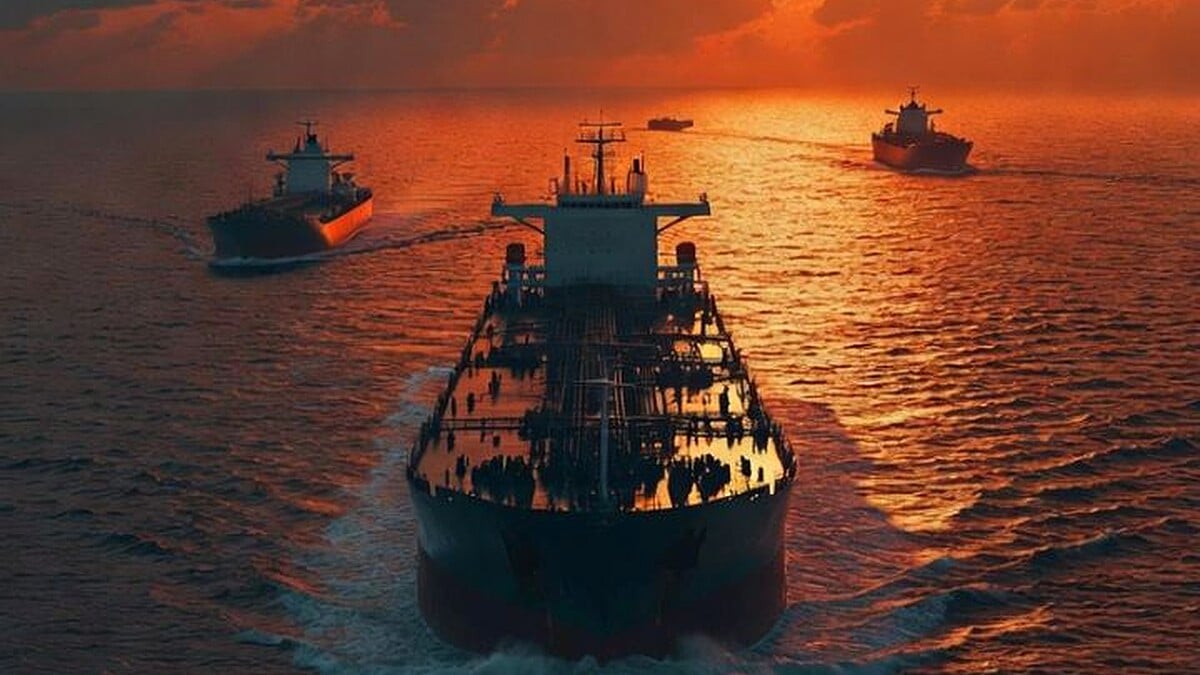




ISLAMABAD: Pakistan has rapidly transformed into a global trade and transshipment hub as escalating tensions in the Middle East force shipping lines to reroute vessels away from high-risk zones.
In a striking development, Karachi Port alone processed 8,313 containers in just the first 24 days of March 2026, matching its entire annual transshipment volume of 8,300 containers recorded throughout 2025.
This represents a staggering 1,423 percent increase, according to official port data and business reports.
The surge stems directly from disruptions around the Strait of Hormuz, where ongoing regional conflict has raised insurance costs and security concerns for vessels.
Global carriers, including major operators, are now diverting cargo to safer Pakistani ports, creating long queues of container ships at Karachi terminals.
Industry officials describe the shift as unprecedented, with two vessels docking simultaneously in recent weeks to handle redirected Gulf traffic.
Port Qasim and Gwadar have also recorded notable gains in activity. Port Qasim handled 3,485 containers recently while receiving 11 vessels carrying 417,390 metric tonnes of petroleum products in March alone.
Gwadar Port, bolstered by its strategic location, is emerging as a future logistics powerhouse with growing feeder links to Asian and Middle Eastern routes.
Karachi Port Trust terminals broke down the recent volume as follows: South Asia Pakistan Terminal managed 5,286 containers, Karachi International Container Terminal processed 1,827, and Karachi Gateway Terminal Limited handled 1,200.
These figures highlight operational efficiency improvements after revised transshipment regulations allowed greater flexibility at both seaports and airports.
Regional analysts note that Pakistan’s ports currently operate below full capacity yet have absorbed the sudden influx effectively.
Karachi Port Trust holds a 20,000-TEU capacity, Port Qasim 12,500 TEUs, and Gwadar 5,000 TEUs, providing ample room for sustained growth.
Local media reports, including those from ProPakistani and Daily Times, emphasise how this boom equals or exceeds previous yearly totals in under a month.
International coverage, such as from Arab News, confirms the trend as shipping lines establish new feeder services from Karachi to Gulf hubs amid Arab Gulf disruptions.
Experts view the development as more than temporary, positioning Pakistan as a reliable alternative to congested or risky routes like those near Iran and the UAE.
The economic implications are significant for Pakistan’s trade balance and logistics sector.
Heightened transshipment activity is expected to boost revenue, create jobs, and strengthen connectivity under broader infrastructure initiatives. Business stakeholders urge competitive port tariffs to convert this opportunity into a permanent advantage over rivals such as Dubai, Salalah, and Colombo.
Officials from the Karachi Port Trust report that facilitation measures have already shortened turnaround times, attracting more international shipping companies seeking stability.
With global supply chains recalibrating, Pakistan’s geographic edge between South Asia, Central Asia, and the Middle East is proving decisive.
This historic uptick underscores a broader geopolitical shift in maritime trade.
As Middle East tensions persist, Pakistan’s ports are no longer peripheral players but central nodes in rerouted global commerce, offering a safer, faster pathway for cargo that once navigated volatile waters. Sustained investment could lock in these gains for years ahead.