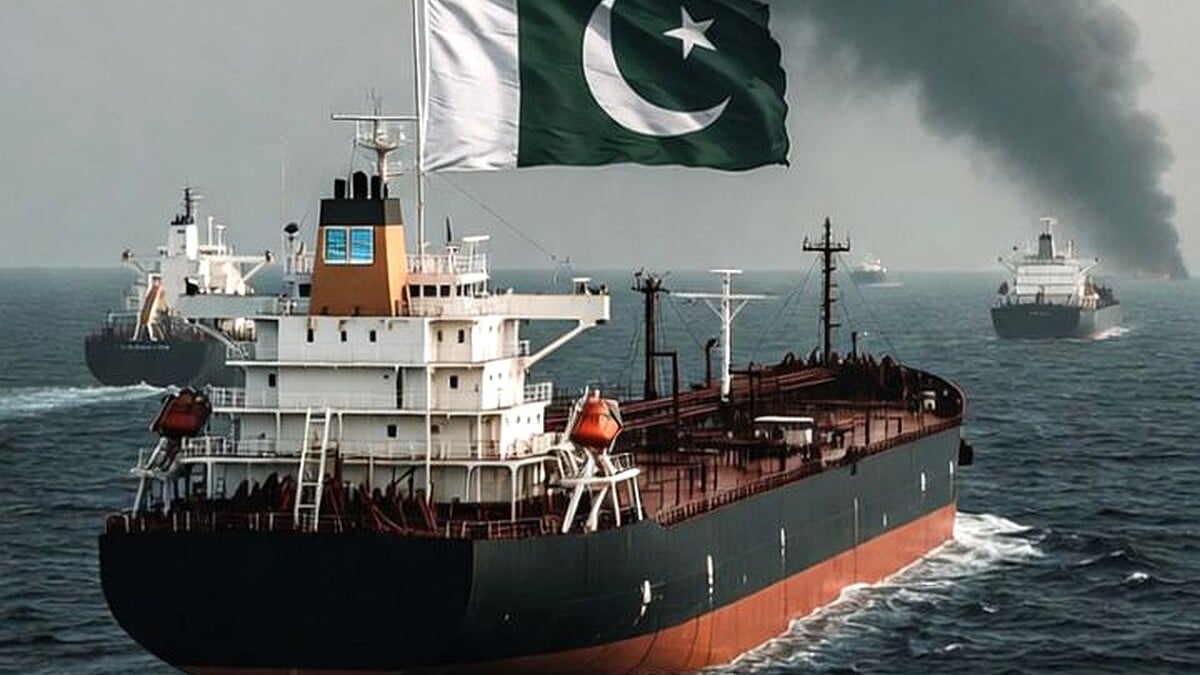




ISLAMABAD: Amid escalating regional conflict that has effectively disrupted shipping through the Strait of Hormuz, Pakistan is experiencing an unexpected energy windfall. QatarEnergy’s declaration of force majeure on multiple long-term liquefied natural gas contracts has triggered immediate shortages, yet it is simultaneously forcing a dramatic revival of domestic gas output that experts describe as long overdue.
Pakistan sources nearly 99 per cent of its LNG from Qatar despite holding substantial indigenous reserves. This heavy reliance persisted for years even as local fields remained underutilised, creating a paradox rooted not in geology but in policy and contracts.
Economist Ammar Habib Khan termed the crisis a potential blessing in disguise. The disruptions are compelling Islamabad to finally prioritise and ramp up domestic production that had been systematically curtailed to accommodate imported volumes.
The root cause traces back to rigid RLNG agreements signed with Qatar. Pakistan committed to fixed monthly cargoes under take-or-pay clauses, typically nine cargoes per month priced at 13.37 per cent and 10.2 per cent of Brent crude across two long-term deals.
These obligations led authorities to deliberately hold back cheaper domestic gas. Over 300 million cubic feet per day of local production was curtailed in recent years to make pipeline space for regasified LNG, contributing to a historic slump in output.
Indigenous gas production hit a two-decade low in fiscal year 2025. Official data showed an 8 per cent year-on-year decline in gas and a 12 per cent drop in oil, placing an extra $1.2 billion burden on foreign exchange reserves through unnecessary imports.
Khan explained the mechanism clearly. Indigenous production declined because of RLNG imports, as Pakistan remained obligated to accept fixed cargoes every month regardless of actual demand.
The force majeure now declared by QatarEnergy following strikes on its Ras Laffan facilities has reversed this dynamic almost overnight. In March 2026 alone, domestic natural gas production surged by 361 million cubic feet per day, elevating its share in the national mix to 94 per cent from the historical average of 76 per cent.
Output across major fields jumped 17 per cent within two weeks to reach 3,141 million cubic feet per day. Leading operators including OGDC reported a 29 per cent increase, Mari a 10 per cent rise, and Pakistan Petroleum Limited a 15 per cent gain.
Private investment in exploration and production, previously discouraged by guaranteed import volumes, is showing early signs of revival. Companies now see clear commercial incentives to accelerate development of untapped reserves as import dependency eases.
Khan noted the broader shift. With force majeure in Qatar, gas dynamics will massively change and Pakistan may exit long-term contracts, delivering tangible benefits to the country.
The timing aligns with earlier efforts to manage surplus. Pakistan had already planned to import only 88 LNG cargoes in 2026 instead of the contracted 120, diverting excess under net proceeds differential clauses due to weak demand and a booming solar sector.
Yet the sudden halt in Qatari shipments created acute shortages. Power producers and fertiliser plants faced immediate cuts, prompting emergency rerouting to domestic supplies and highlighting the risks of 99 per cent reliance on Hormuz-transiting LNG.
International analysts from Wood Mackenzie and Kpler have flagged Pakistan among the most vulnerable South Asian economies to such disruptions. Regional media reports, including those from Dawn and The News, confirm the rapid production increase as a direct policy response to the supply shock.
The potential gains extend beyond immediate relief. Sustained higher domestic output could slash the LNG import bill by up to 30 per cent in coming quarters, generating annual foreign exchange savings exceeding $1 billion while easing the gas sector’s circular debt burden.
Longer term, the crisis may reshape energy strategy. With proven and probable reserves providing a viable buffer, policymakers are now incentivised to fast-track new discoveries and field developments that were sidelined for years.
Even as the Strait of Hormuz remains volatile, Pakistan’s energy planners see a rare convergence of necessity and opportunity. The forced reduction in imported volumes is finally allowing indigenous gas to claim its rightful place in the national mix.
Trapped previously by inflexible contracts that stifled local investment, the country now stands poised to break the cycle of dependency. Regional turmoil has tested supply routes but in doing so may have unlocked a more secure and self-reliant energy future for Pakistan.