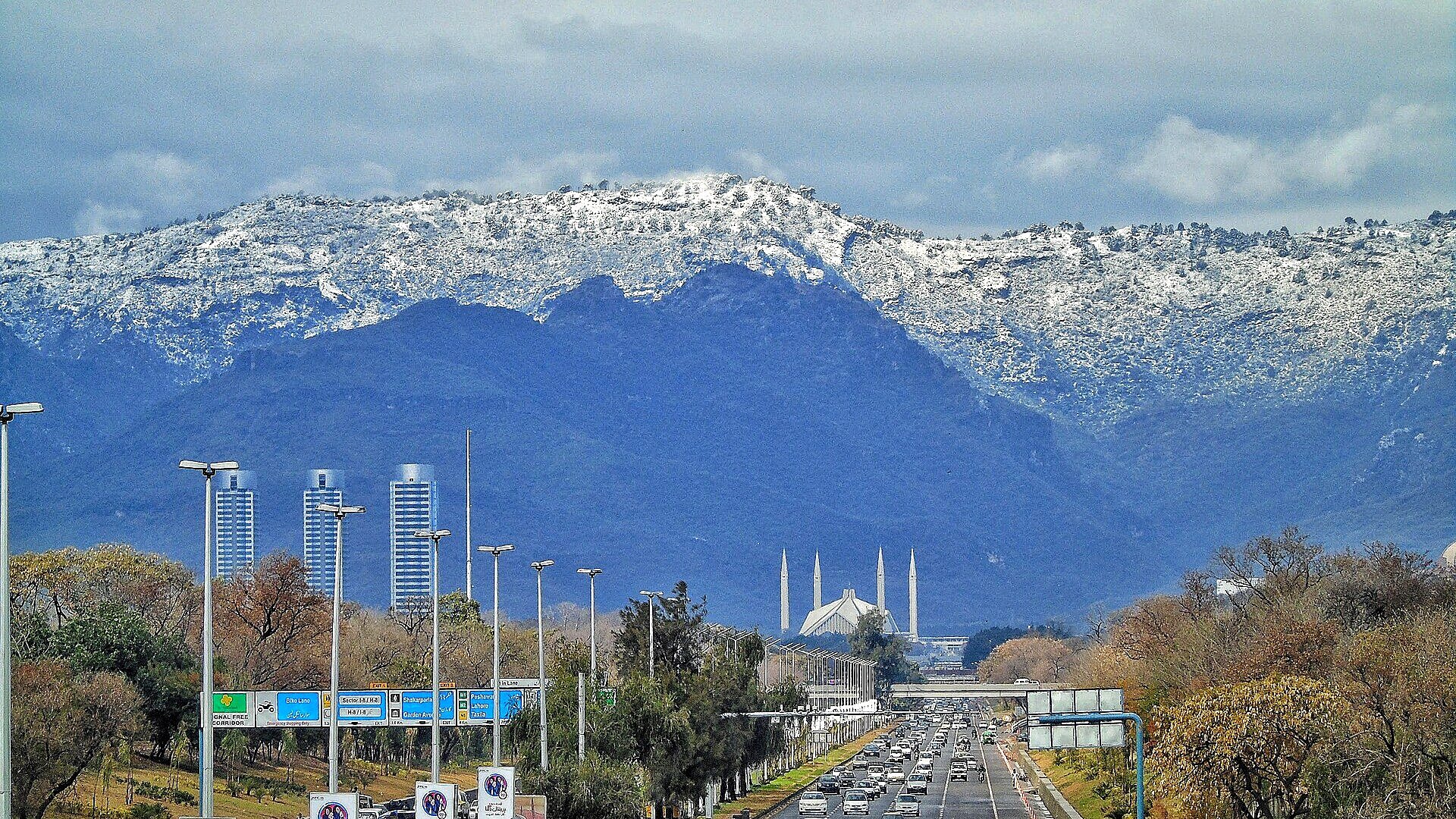




ISLAMABAD: In a surprising turn of events, the Islamabad Talks 2.0 have taken a new direction, sparking widespread speculation about their potential outcomes. As diplomatic representatives from various countries converge in the Pakistani capital, the stakes have never been higher. The talks, which aim to address pressing regional issues, have become a focal point for international observers.
What Prompted Islamabad Talks 2.0?
The Islamabad Talks 2.0 were initiated in response to escalating regional tensions and the need for a collaborative approach to peace and stability. According to a report by the Dawn newspaper, the talks were prompted by recent developments in Afghanistan and the broader South Asian region. The primary objective is to foster dialogue and cooperation among neighboring countries, with Pakistan playing a pivotal role as a mediator.
Key Players and Their Agendas
The talks have attracted a diverse group of stakeholders, each with their own agendas. The United States, represented by a special assistant to President Donald Trump, is keen on ensuring that its strategic interests in the region are safeguarded. Meanwhile, China, as reported by the Global Times, is focused on expanding its Belt and Road Initiative through enhanced regional connectivity. India, on the other hand, is looking to address security concerns and improve bilateral relations with Pakistan.
The Role of Pakistan in the Talks
Pakistan’s role as a host and mediator in the Islamabad Talks 2.0 cannot be overstated. As highlighted by The Express Tribune, Pakistan is strategically positioned to influence the outcomes of these discussions. The country’s leadership is committed to promoting peace and stability in the region, and the talks are seen as an opportunity to showcase Pakistan’s diplomatic prowess. The success of these talks could bolster Pakistan’s standing on the global stage.
Unexpected Developments and Their Implications
One of the most unexpected developments during the talks was the announcement of a potential trilateral agreement involving Pakistan, China, and the United States. This agreement, as reported by Reuters, aims to enhance economic cooperation and security collaboration among the three nations. If successful, it could redefine regional dynamics and pave the way for a new era of cooperation.
Challenges and Controversies
Despite the optimistic outlook, the Islamabad Talks 2.0 are not without challenges. The involvement of multiple stakeholders with conflicting interests poses a significant hurdle. Additionally, as noted by Al Jazeera, there are concerns about the exclusion of certain regional players, which could undermine the effectiveness of the talks. The challenge lies in balancing these interests while ensuring that the primary objectives of peace and stability are not compromised.
Potential Impact on Global Politics
The outcomes of the Islamabad Talks 2.0 could have far-reaching implications for global politics. A successful resolution could lead to enhanced regional cooperation, setting a precedent for future diplomatic engagements. On the other hand, a failure to reach a consensus could exacerbate existing tensions and lead to further instability. The world is watching closely, as the results of these talks could influence international relations for years to come.
Future Prospects and Open Questions
As the Islamabad Talks 2.0 continue, several questions remain unanswered. Will the involved parties be able to overcome their differences and reach a consensus? How will the outcomes of these talks influence future diplomatic engagements in the region? And what role will Pakistan play in shaping the future of South Asian geopolitics? These questions highlight the uncertainty surrounding the talks, but they also underscore the potential for positive change.
The Islamabad Talks 2.0 represent a critical juncture in regional diplomacy. As the discussions unfold, the world awaits the outcomes with bated breath, hopeful for a future marked by peace and cooperation.