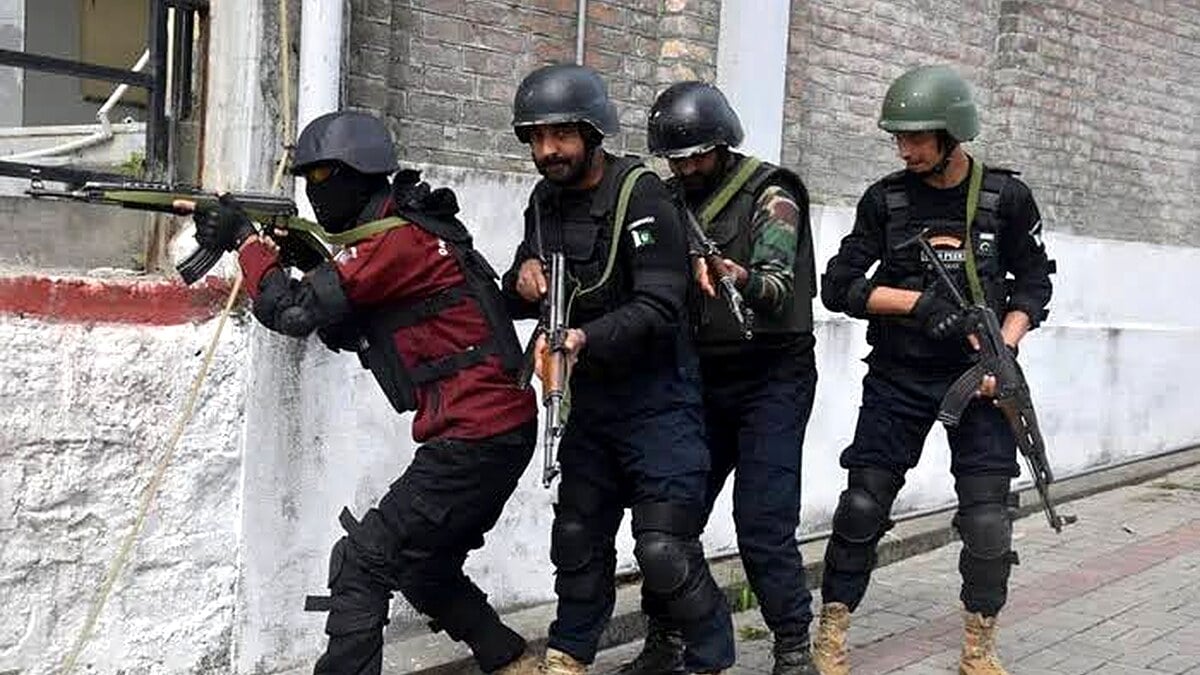




ISLAMABAD: A series of alarming attacks in Bajaur district has raised significant security concerns in Pakistan. The incidents, which left five policemen and three civilians injured, have prompted a swift response from law enforcement agencies.
The Assault in Lowi Sam
On a seemingly ordinary night in the Lowi Sam area of Khar tehsil, a police mobile unit was ambushed by unidentified assailants. The vehicle, en route to the Miagano post, became the target of a sudden and violent attack. According to a district police spokesperson, five policemen were injured in the assault, although their injuries were not life-threatening.
The attackers managed to escape, leaving behind a scene of chaos and urgency. The prompt response from the Lowi Sam police station, which dispatched a team to the site immediately, underscores the gravity of the situation. As reported by Dawn, the area is typically considered peaceful, making the attack all the more unexpected and concerning.
Ambulance Under Fire
The night took another dark turn when a Rescue 1122 ambulance, dispatched to aid the injured policemen, was also attacked. This second attack occurred in the Rashakai area, approximately 20 minutes after the initial assault. The ambulance was on its way to transport the wounded officers to Khar District Headquarters Hospital when it was targeted.
Three individuals, including the ambulance driver and two local residents, sustained injuries in this brazen attack. The incident highlights the vulnerability of emergency services in conflict zones and raises questions about the safety measures in place for first responders.
Security Operations Intensify
In response to these coordinated attacks, a contingent of police personnel, led by senior officials, swiftly arrived at the scene. The area was cordoned off, and a search operation was launched to apprehend those responsible for the ambushes. The swift mobilization of law enforcement underscores the seriousness with which these incidents are being treated.
The attacks have sparked a broader discussion about security in the Bajaur district, a region that has seen relative calm in recent times. The ability of the assailants to carry out two consecutive attacks and evade capture is a stark reminder of the persistent security challenges faced by law enforcement agencies in Pakistan.
Implications for Regional Security
These incidents in Bajaur are not isolated events but part of a broader pattern of sporadic violence that has plagued the region. The attacks have reignited concerns about the resurgence of militant activities in areas previously cleared of insurgent presence. As reported by The Express Tribune, the security situation in Khyber Pakhtunkhwa has been a focal point for both national and regional security strategies.
The implications of these attacks extend beyond immediate security concerns. They pose questions about the effectiveness of current security measures and the need for enhanced intelligence operations. The resilience of law enforcement agencies in the face of such challenges will be crucial in maintaining peace and stability in the region.
Future Challenges and Considerations
The recent attacks in Bajaur district serve as a wake-up call for policymakers and security agencies. As Pakistan continues to navigate complex security dynamics, the need for robust counter-terrorism strategies becomes increasingly apparent. The safety of police officers and emergency responders must be prioritized to ensure they can perform their duties without fear of attack.
Looking ahead, the focus will likely be on strengthening community engagement and intelligence-sharing mechanisms to prevent future incidents. The resilience of the Bajaur community and the dedication of its law enforcement agencies will be pivotal in overcoming these challenges.
As the investigation into these attacks continues, the broader implications for Pakistan’s security landscape remain to be seen. The ability of the state to adapt and respond to evolving threats will be critical in safeguarding its citizens and maintaining regional stability.