



ISLAMABAD: The International Monetary Fund (IMF) has urged Pakistani authorities to generate an additional Rs500 billion in revenue through new tax measures as negotiations over the federal budget for fiscal year 2026-27 enter the final stage.
Sources familiar with the discussions told ARY News that the demand forms part of broader efforts to meet ambitious revenue targets under the ongoing IMF programme.
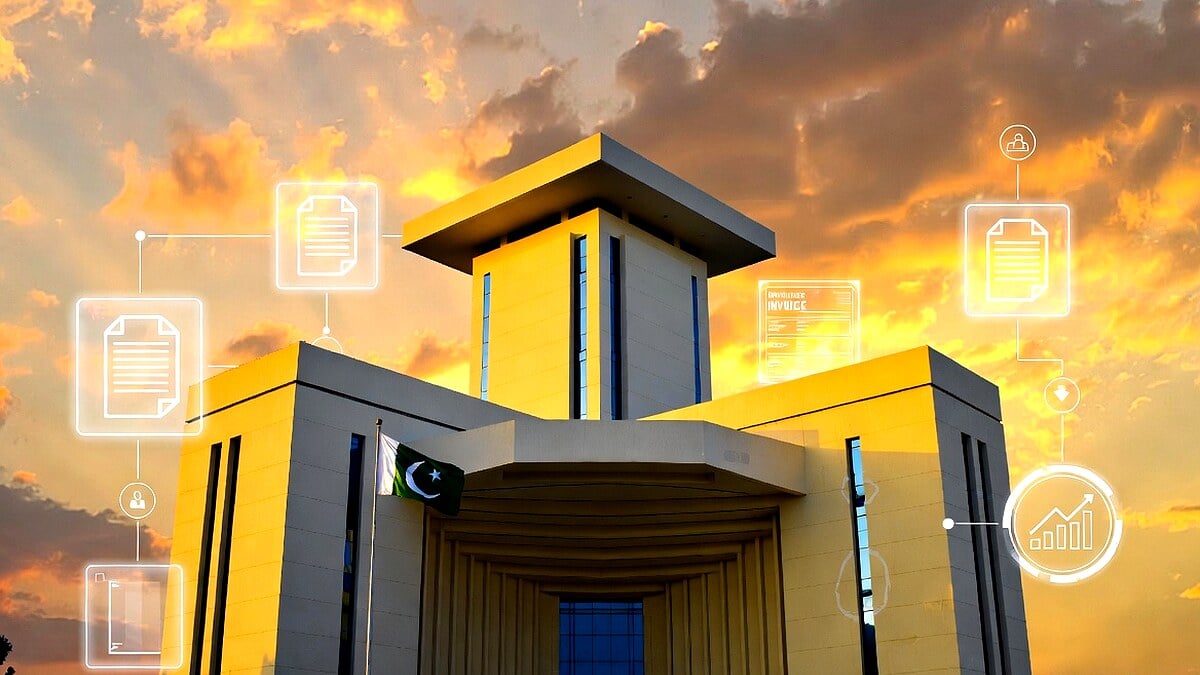
The Federal Board of Revenue (FBR) is preparing to fully implement a digital invoicing system from July 1, 2026. Officials estimate this single reform could generate around Rs100 billion in additional revenue during the upcoming fiscal year.
Under the new system, only digitally issued invoices will be considered valid for sales tax purposes. This move aims to curb under-reporting and improve compliance across retail, wholesale, and manufacturing sectors.
The government is also expected to further widen the gap between tax filers and non-filers. The IMF has directed authorities to compile detailed data on non-filers and integrate them into the tax net using digital banking channels.
Banking records will be reviewed more aggressively to identify non-compliant individuals and under-taxed sectors. FBR officials plan enhanced monitoring of online transactions and financial flows.
**Revenue Targets and Additional Measures**
The IMF has set a federal revenue target of approximately Rs17.1 trillion for FY2026-27, representing a roughly 13.5 to 14 percent increase over the current year.
Of this, the FBR alone is expected to collect around Rs15.264 trillion. New budgetary measures are projected to contribute Rs430 billion, with the remainder coming from improved enforcement and administrative actions.
The IMF has agreed to an FBR proposal to expand the Third Schedule of the Sales Tax Act. This will bring additional everyday consumer goods into the tax net, expected to yield another Rs100 billion.
Items likely to face taxation include infant formula milk, various dairy products, cooking oil, and other essential household goods. The expansion aims to broaden the consumption tax base without heavily relying on income tax adjustments.
Despite strong representations from business and industrial chambers, the government is unlikely to abolish the super tax in the forthcoming budget. Sources indicated authorities are instead considering a phased withdrawal of the levy over the next three years.
A final decision is still pending on the Capital Value Tax (CVT) on foreign assets. Introduced in FY2022, the tax currently requires a one percent annual payment on overseas holdings.
Authorities are also expected to retain the tax on inter-corporate dividends in the next fiscal year.
**Economic Projections and Context**
The IMF projects Pakistan’s economy to grow by 3.6 percent in FY2026-27, with average inflation expected around 7.2 percent.
These targets come against the backdrop of ongoing fiscal consolidation efforts. Pakistan has committed to additional revenue measures worth up to Rs860 billion, including both new taxes and better enforcement.
The digital invoicing initiative builds on earlier FBR reforms aimed at real-time reporting and integration with the IRIS portal. Full rollout in 2026-27 is expected to significantly reduce leakages in the sales tax chain.
Widening the filer-non-filer distinction continues a policy approach used in previous budgets to encourage documentation. Banking data integration is seen as a key tool to identify high-net-worth individuals and professionals outside the tax system.
**Business Sector Response**
Business groups have expressed concerns over the potential burden on consumers and industry. The Federation of Pakistan Chambers of Commerce and Industry (FPCCI) and other bodies have called for rationalisation of taxes, including reduction or phased removal of the super tax to support investment and liquidity.
However, officials maintain that revenue measures are necessary to meet IMF programme benchmarks and create fiscal space for development spending and debt servicing.
Provinces are also expected to mobilise additional resources of around Rs430 billion to support the consolidated fiscal position.
Petroleum levy targets have been raised to approximately Rs1.73 trillion, reflecting continued reliance on this non-tax revenue source.
**Strategic Implications**
The emphasis on digital tools and data-driven enforcement signals a long-term shift towards a more formalised economy. Successful implementation of the digital invoicing system could set a precedent for broader technological integration in tax administration.
Bringing non-filers into the net remains critical as Pakistan’s tax-to-GDP ratio continues to lag behind regional peers. Enhanced banking surveillance and invoice tracking are expected to gradually improve compliance rates.
However, the inclusion of essential consumer items in the sales tax net may exert short-term pressure on household budgets, particularly amid ongoing inflationary concerns.
The government will need to balance these revenue measures with targeted relief for low-income groups and productive sectors to maintain political and economic stability.
Final discussions between Pakistani authorities and the IMF are continuing, with both sides aiming to conclude the budget framework that supports macroeconomic stability while allowing room for growth-oriented policies.
Observers expect the federal budget for 2026-27 to be presented in the coming weeks, incorporating these revenue strategies and expenditure priorities.