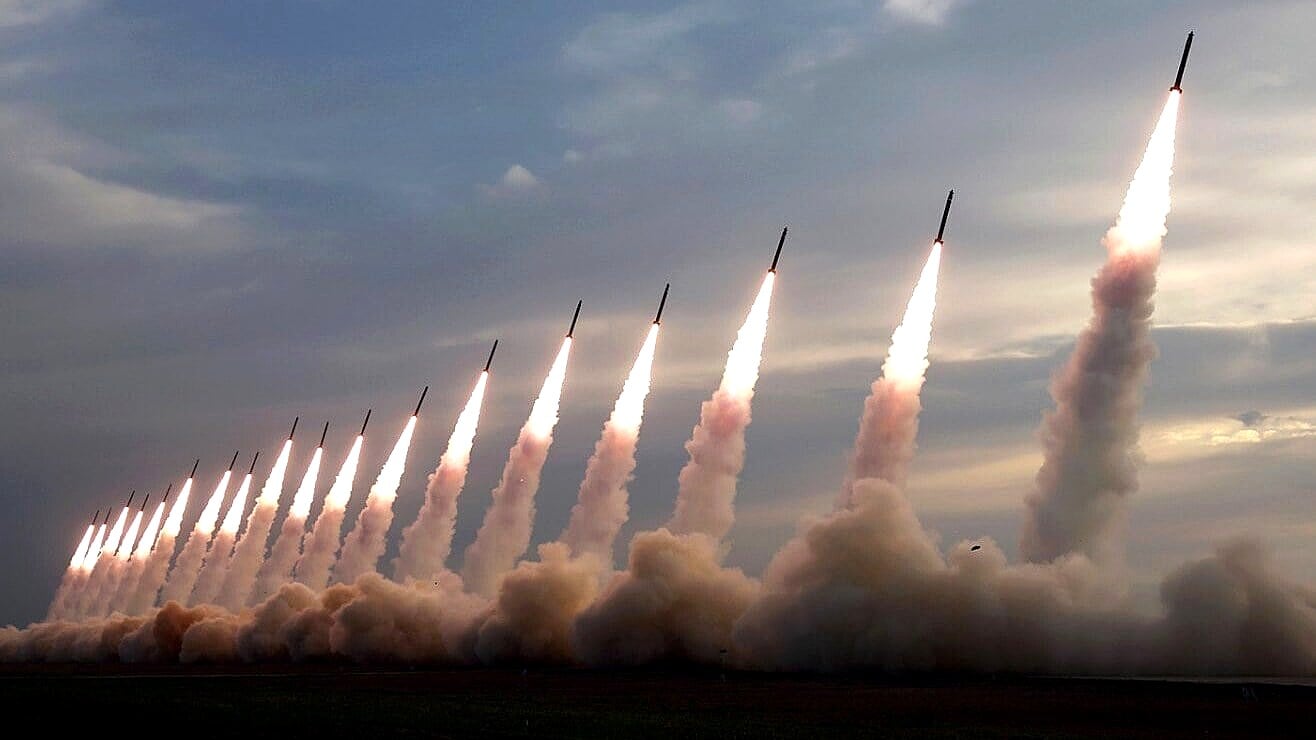




ISLAMABAD: In a startling development, Iran has launched a series of missiles targeting Israel, marking the first significant military escalation since a fragile ceasefire was established in early April. This unexpected bombardment comes in direct response to recent Israeli airstrikes in Beirut’s southern suburbs, intensifying fears of a broader conflict in the region.
The missile attack, which occurred late Sunday night, triggered air raid sirens across Israel as its military scrambled to intercept the incoming projectiles. This incident not only highlights the volatility of the current situation but also raises critical questions about the future of the ceasefire and the stability of the Middle East.
Escalation of Hostilities
The Iranian missile strike is seen as a significant escalation in hostilities, particularly given the fragile nature of the ceasefire that had been holding since early April. Reports indicate that the Iranian military aimed its missiles at strategic locations within Israel, underscoring Tehran’s willingness to engage militarily in response to what it perceives as provocations.
The Israeli military has confirmed that it successfully intercepted several missiles, but the sheer scale of the attack marks a worrying shift in the dynamics of the conflict. Analysts suggest that this could lead to a cycle of retaliation, further destabilizing the region.
Retaliation for Israeli Strikes
Iran’s missile attack is widely interpreted as a calculated retaliation for the recent Israeli airstrikes that resulted in significant casualties in Beirut. The strikes, which targeted what Israel described as militant positions, have drawn condemnation from Tehran, which views them as an infringement on its sovereignty and an attack on its allies.
The Iranian government has stated that it will not tolerate aggression against its interests or those of its allies in the region. This latest military action serves as a stark reminder of the ongoing tensions between Iran and Israel, which have been exacerbated by the broader geopolitical landscape, including U.S. involvement and the ongoing conflict in Syria.
Impact on Regional Stability
The missile strike raises serious concerns about the stability of the Middle East. The fragile ceasefire had provided a temporary respite from escalating violence, but the recent developments suggest that hostilities may reignite. The potential for a wider conflict involving multiple actors in the region, including Hezbollah and other Iranian proxies, cannot be overlooked.
Experts warn that if retaliatory measures are taken by Israel, it could lead to an all-out confrontation. The balance of power in the region is delicate, and any miscalculation could have dire consequences not only for Israel and Iran but also for neighboring countries.
International Reactions
The international community is closely monitoring the situation, with calls for restraint from various governments and organizations. The United Nations has urged both sides to de-escalate tensions and return to diplomatic dialogue. However, the effectiveness of such appeals remains uncertain, especially given the entrenched positions of both Iran and Israel.
The United States, a key ally of Israel, has expressed its support for Israel’s right to defend itself. However, there are concerns that U.S. involvement could further complicate the situation and provoke additional Iranian responses.
What Happens Next?
As the dust settles from this missile attack, the critical question remains: what will be the next move from both Iran and Israel? Will Iran continue its military campaign against Israel, or will diplomatic efforts prevail to restore the ceasefire? The answers to these questions will significantly impact the trajectory of the region.
The potential for further military engagements looms large, and the international community’s response will play a crucial role in shaping the outcome. As tensions escalate, the need for a comprehensive approach to address the underlying issues driving the conflict becomes increasingly urgent.
In conclusion, the missile attack on Israel by Iran marks a pivotal moment in the ongoing conflict, raising alarms about the durability of the ceasefire and the potential for a broader regional confrontation. The situation remains fluid, and the world watches closely as events unfold, hoping for a resolution that can bring lasting peace to a region long plagued by strife.