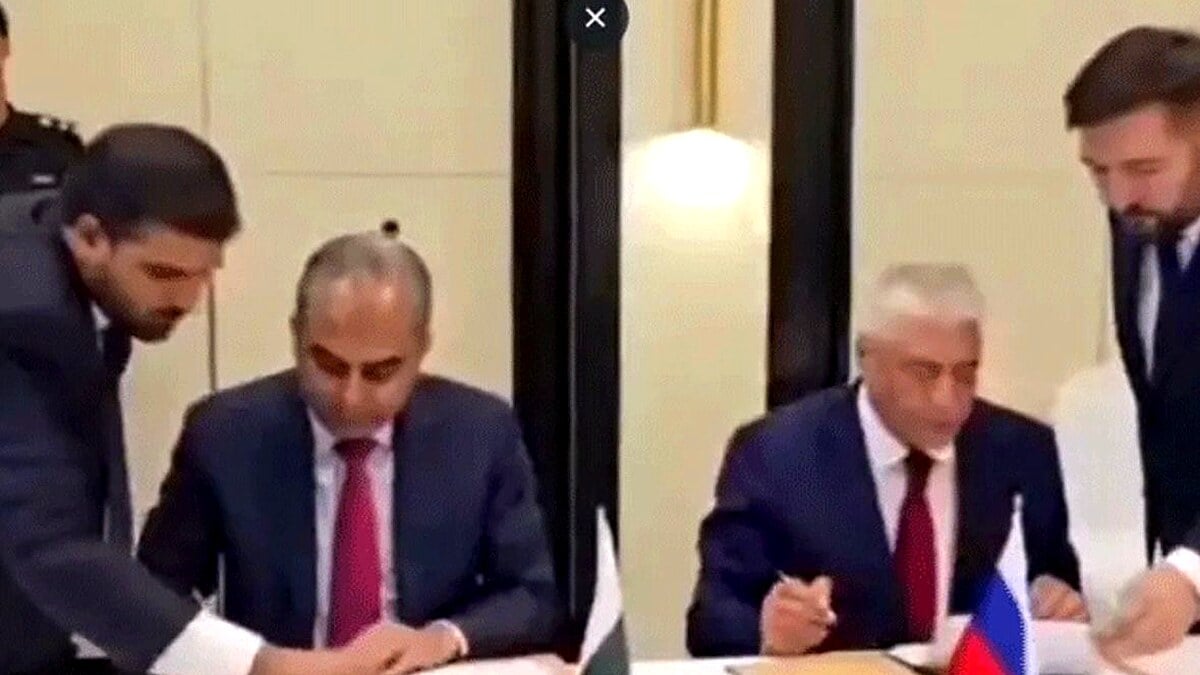




ISLAMABAD: Pakistan and Russia have fortified their strategic alliance by signing multiple security agreements at the recent Shanghai Cooperation Organization (SCO) summit.
These agreements aim to tackle the pressing issues of illegal migration and drug trafficking in Central Asia.
Both countries recognize the growing threat these challenges pose to regional stability and security.
Russian Foreign Minister Sergey Lavrov emphasized the importance of this collaboration during his meeting with Pakistani counterparts at the summit.
According to sources, the two countries are committed to implementing a joint action plan by next year.
The agreements focus on enhancing border security measures and intelligence sharing to combat human trafficking networks.
Additionally, the coalition aims to dismantle drug smuggling routes that have plagued the region.
Pakistan’s Foreign Minister Bilawal Bhutto Zardari noted the significance of these efforts in reinforcing regional peace.
Strategic partnerships like this are crucial for confronting non-traditional security threats, which have been escalating in recent years.
The SCO summit provided the perfect backdrop for these critical discussions.
Russia has pledged technical and logistical support to Pakistan to ensure the effectiveness of these initiatives.
Both nations expect other SCO member states to join efforts to create a unified response against these threats.
Analysts suggest this partnership marks a significant shift in geopolitical alliances within the region.
The implications of these agreements extend beyond immediate security concerns.
By addressing the root causes of illegal migration, the partnership aims to stabilize affected communities.
Tackling drug trafficking is expected to reduce the socio-economic impacts that have hindered regional growth.
This collaborative effort highlights the necessity for cooperative regional security measures.
Pakistan and Russia’s growing rapport is seen as a response to evolving global dynamics and security threats.
Critics are observing how this partnership will influence political alignments across Central Asia.
Observers remain curious about the long-term outcomes of this strategic engagement.
This is a developing story, and further updates are anticipated as additional details emerge.