



ISLAMABAD: Pakistan and the European Union have issued a joint communiqué following high-level strategic dialogue in Islamabad that references the Jammu and Kashmir issue alongside calls for peaceful conflict resolution.
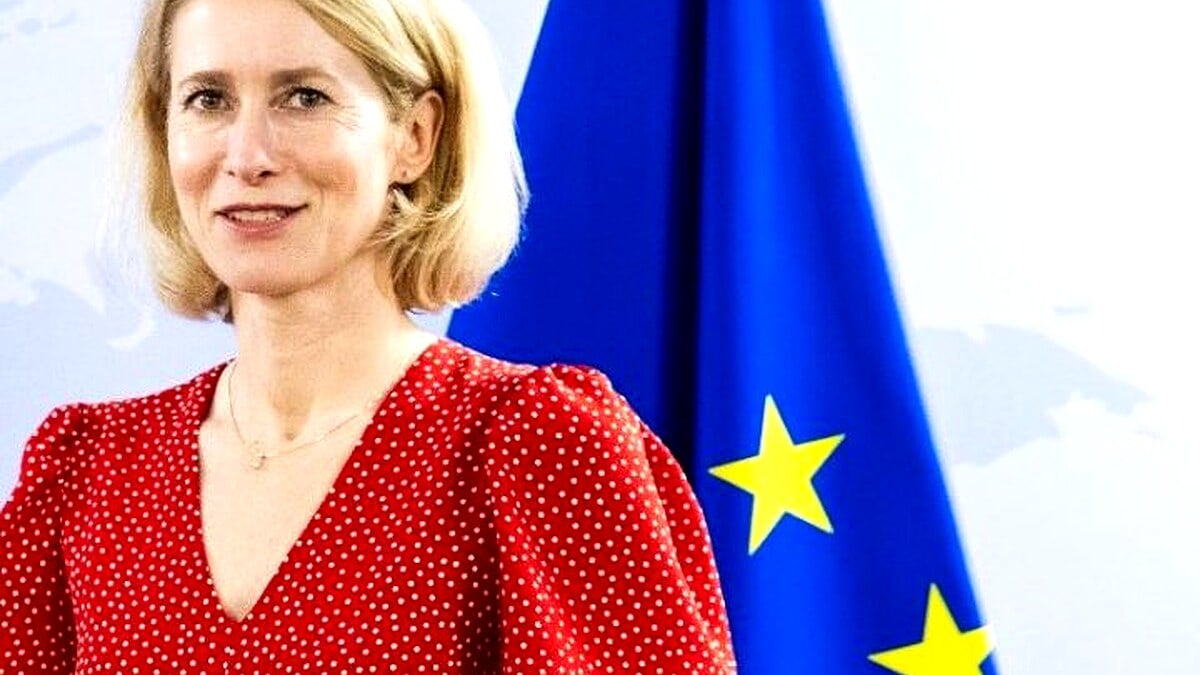
The statement comes after EU High Representative Kaja Kallas co-chaired the 8th Round of the EU-Pakistan Strategic Dialogue with Deputy Prime Minister and Foreign Minister Senator Mohammad Ishaq Dar on June 1, 2026.
The communiqué explicitly notes that the Pakistan side briefed the EU on Jammu and Kashmir while the EU briefed Pakistan on Russia’s war against Ukraine. Both sides expressed support for peaceful resolution of conflicts through dialogue and diplomacy, in accordance with the principles of the UN Charter.
Pakistani officials view the inclusion as a diplomatic success that keeps the Kashmir issue on the international agenda. The dialogue also covered trade, security, migration, and climate resilience, with both sides committing to deeper cooperation.
**Official Statements** Foreign Minister Ishaq Dar reiterated Pakistan’s position on Jammu and Kashmir during the talks. He called for a peaceful settlement in accordance with United Nations Security Council resolutions and the wishes of the Kashmiri people.
Kaja Kallas described Pakistan as a major regional power and important partner for the EU. She highlighted the bloc’s interest in strengthening ties under the Strategic Engagement Plan signed in 2019.
A senior Pakistani diplomat stated that the joint paragraph reflects the EU’s recognition of regional realities. “Pakistan has consistently advocated for dialogue on all outstanding issues, including Kashmir,” the official added.
**Key Details from Dialogue** The strategic dialogue marks the first visit by an EU foreign policy chief to Pakistan in seven years. Discussions included Pakistan’s interest in the EU’s new GSP+ regulation, which could provide duty-free access for most exports and support up to €12 billion in trade benefits.
Both sides commended Pakistan’s role in regional stability, including facilitating US-Iran engagement through the Islamabad Talks earlier in 2026.
**Background Context** Jammu and Kashmir has remained a longstanding dispute between Pakistan and India since 1947. Pakistan maintains that the issue requires resolution based on UN resolutions and Kashmiri aspirations. India considers it an internal matter.
The 1951 accession and subsequent wars have shaped the territorial positions. Pakistan administers Azad Kashmir and Gilgit-Baltistan while India controls the rest following the 2019 revocation of Article 370.
**Reactions and Impact** The paragraph has drawn attention in regional diplomatic circles. Indian analysts expressed concern over the EU accepting Kashmir as a subject for international briefing. Pakistani circles welcomed it as balanced recognition of ongoing tensions.
Local stakeholders in Pakistan see the statement as reinforcing multilateral approaches to South Asian peace. Business communities anticipate positive spillovers for trade relations with Europe.
Security analysts noted the timing aligns with broader efforts to stabilise the region amid global conflicts.
**Strategic Outlook** The EU-Pakistan engagement signals continued European interest in South Asia’s strategic landscape. Enhanced cooperation could open avenues for increased investment in infrastructure and technology sectors.
Pakistan aims to leverage such platforms to advance its economic and diplomatic goals. Future rounds of dialogue may build on these foundations to address trade barriers and security concerns.
The inclusion of Kashmir in the communiqué underscores Pakistan’s active diplomacy on the issue. Observers expect continued engagement as both sides prepare for upcoming reviews on GSP+ compliance and regional developments.
Operational aspects of bilateral ties, including migration management and climate projects, are likely to see accelerated implementation in the coming months.
Questions persist on how major powers will navigate South Asian sensitivities in multilateral forums going forward.