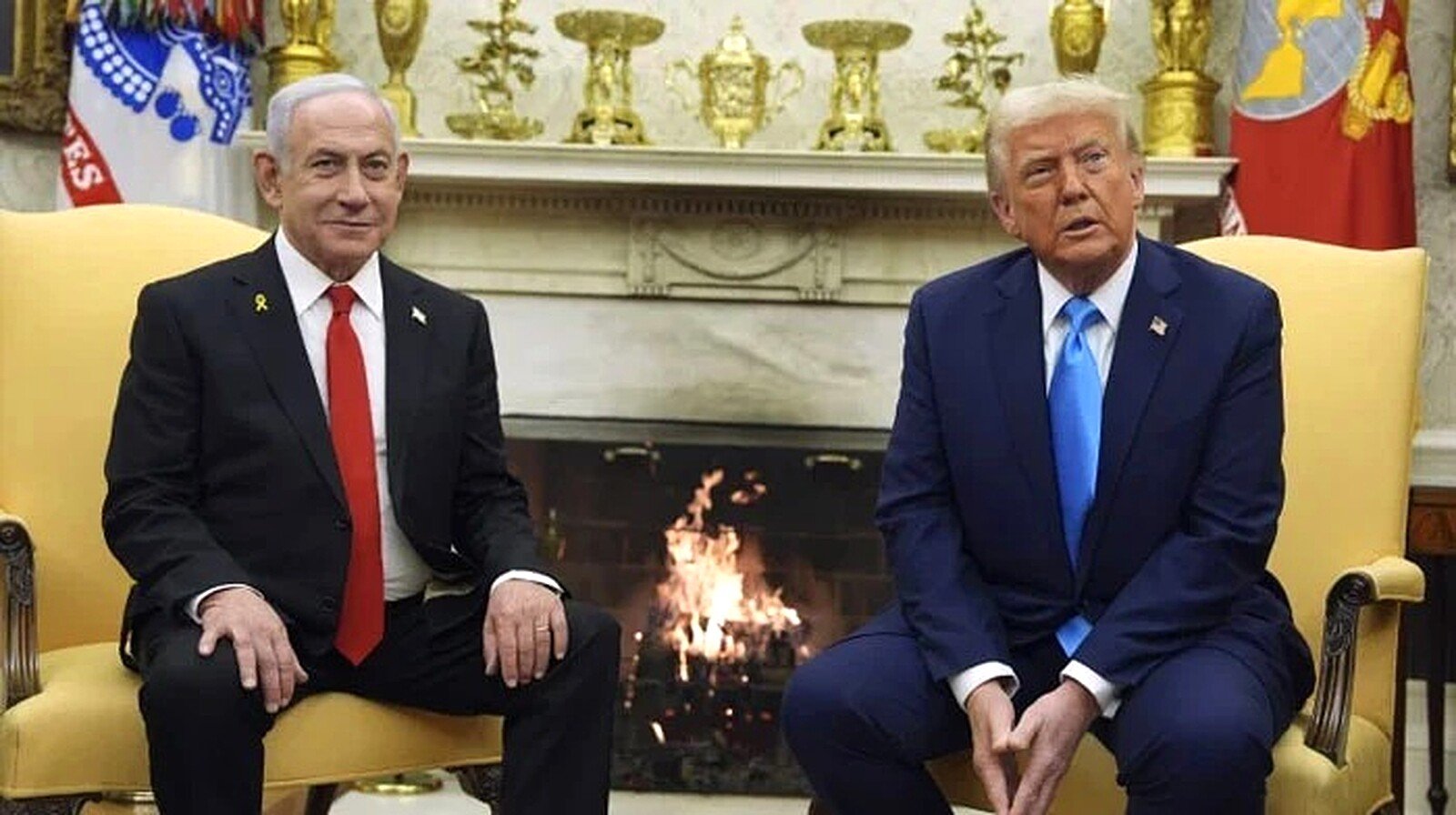




ISLAMABAD: A former Israeli intelligence officer has alleged that Israeli Prime Minister Benjamin Netanyahu is blackmailing United States President Donald Trump using sensitive material from the Jeffrey Epstein files, amid ongoing speculation about Epstein’s alleged ties to Israeli intelligence.
Ari Ben-Menashe, who describes himself as a former operative in Israeli military intelligence, made these claims during a February 2026 interview on the program Going Underground, broadcast on RT. He asserted that Israel possesses compromising information derived from Epstein’s activities, which could be released to undermine Trump if he pursues policies perceived as threatening to Israeli interests, particularly regarding potential US-Iran negotiations.
Ben-Menashe stated that the American government has been effectively trapped by Israeli influence, with Jeffrey Epstein serving as one of the primary tools for entrapment. He described Epstein’s network as an intelligence operation designed to gather compromising material on Western politicians through sexual encounters, thereby securing long-term leverage.
According to Ben-Menashe, Epstein and his associate Ghislaine Maxwell collaborated with Israeli intelligence, specifically Mossad, to target influential figures in the United States and elsewhere. He suggested that this operation dated back to the 1980s, involving honeytrap tactics where participants were recorded in compromising situations to ensure compliance with certain geopolitical objectives.
The allegations extend to the notion that Netanyahu holds exclusive access to unreleased Epstein-related material, referred to informally as “Epstein files.” Ben-Menashe claimed this material could be deployed to sabotage diplomatic efforts, such as a prospective US-Iran deal, by exposing damaging information about Trump and other American officials.
These assertions have circulated widely on social media platforms and alternative news outlets following the release of additional Epstein documents in recent years. Supporters of the claims point to Epstein’s documented connections with prominent Israeli figures, including former Prime Minister Ehud Barak, whose interactions with Epstein appear in court records and visitor logs.
Ben-Menashe has maintained similar positions in earlier publications and interviews. In his book and prior statements, he portrayed Epstein not as an independent financier but as an asset in intelligence-driven influence campaigns. He has linked Epstein’s operations to broader patterns of using personal vulnerabilities to shape foreign policy decisions favorable to Israel.
However, these allegations remain unsubstantiated by official investigations. Israeli authorities, including Netanyahu, have categorically denied any state involvement with Epstein or Mossad links to his criminal activities. Netanyahu has described such suggestions as baseless and part of efforts to defame Israel.
Mainstream Western media and intelligence assessments have generally treated Ben-Menashe’s assertions with skepticism. Official US inquiries into Epstein, including FBI reviews, have not confirmed Mossad operational control over his network. Declassified documents reference speculation from confidential sources but lack concrete evidence of systematic blackmail orchestrated by foreign intelligence.
Ben-Menashe’s own credibility has faced scrutiny. Israeli officials have disputed his claimed role in intelligence operations, labeling him a fringe figure whose accounts are often unverified. Congressional inquiries in the past described aspects of his testimony as lacking credibility, though he has been involved in arms-related matters and legal proceedings without conviction on major charges.
The Epstein case continues to fuel debate over elite networks, influence peddling, and potential intelligence overlaps. Recent document releases have highlighted Epstein’s extensive contacts across politics, business, and academia, yet no conclusive proof has emerged linking his crimes directly to state-sponsored blackmail programs.
Ben-Menashe argued in the interview that such leverage explains persistent US support for certain Israeli policies despite domestic political shifts. He suggested that fear of exposure deters leaders from actions contrary to Israeli preferences, including on Middle East peace processes or regional security arrangements.
Critics of these theories argue they risk amplifying unsubstantiated narratives that could exacerbate geopolitical tensions. Supporters maintain that the persistence of such claims, combined with Epstein’s unexplained wealth and lenient legal treatment in earlier cases, warrants further independent scrutiny.
The controversy underscores broader questions about transparency in high-level international relations and the role of personal compromises in shaping policy. As discussions around the Epstein files evolve, they highlight the challenges in distinguishing verified facts from speculative assertions in complex intelligence matters.