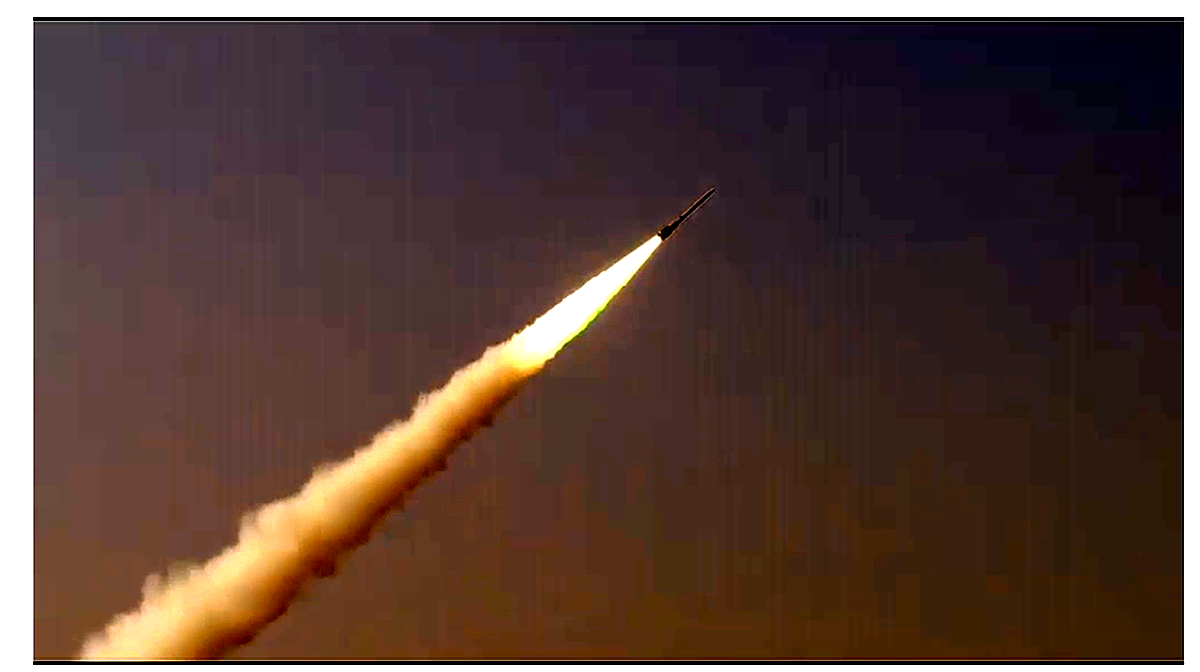




ISLAMABAD: The recent announcement by the Pakistani military regarding the successful test of the Fatah-3 supersonic cruise missile has sent ripples through the defense community. This development is not just a technological milestone for Pakistan but also a significant countermeasure to India’s BrahMos missile, raising questions about the shifting military dynamics in South Asia.
The Fatah-3 missile, which boasts advanced capabilities, is being closely analyzed for its potential impact on regional security. But what makes this missile stand out, and how does it compare to India’s BrahMos?
Understanding Fatah-3’s Capabilities
The Fatah-3 is described as a supersonic cruise missile, capable of flying at speeds exceeding Mach 3. This speed, combined with its precision targeting capabilities, makes it a formidable weapon in modern warfare. The missile is designed to strike land and sea targets with high accuracy, which is crucial for both offensive and defensive operations.
The successful test of the Fatah-3 indicates Pakistan’s commitment to enhancing its military technology. This missile is equipped with advanced guidance systems that allow it to maneuver in-flight, making it difficult for enemy defense systems to intercept. Such features not only bolster Pakistan’s defense capabilities but also serve as a deterrent against potential aggression from neighboring countries.
Comparative Analysis with BrahMos
India’s BrahMos missile, known for its speed and precision, has been a significant component of India’s military strategy. The BrahMos, developed in collaboration with Russia, is recognized as one of the fastest cruise missiles in the world. The comparison between Fatah-3 and BrahMos is inevitable, as both countries strive to maintain a strategic edge.
While the BrahMos has been operational for years, the introduction of Fatah-3 signifies Pakistan’s efforts to close the technological gap. Analysts are keenly observing how this development will affect the regional arms race. Will the Fatah-3 compel India to accelerate its own missile development programs? This question remains at the forefront of defense discussions.
Impact on South Asia’s Military Balance
The introduction of the Fatah-3 missile could potentially alter the military balance in South Asia. With both India and Pakistan investing heavily in missile technology, the stakes are higher than ever. The Fatah-3’s capabilities could lead to a recalibration of military strategies on both sides.
Moreover, the successful test of Fatah-3 may prompt a reassessment of defense budgets and military alliances in the region. Countries like China, which has close ties with Pakistan, might also play a role in shaping the strategic landscape. The implications of this missile test extend beyond mere numbers; they touch upon the very fabric of regional stability.
Future Implications and Open Questions
As the dust settles from the Fatah-3 test, several questions linger. How will India respond to this development?
Source: BBC