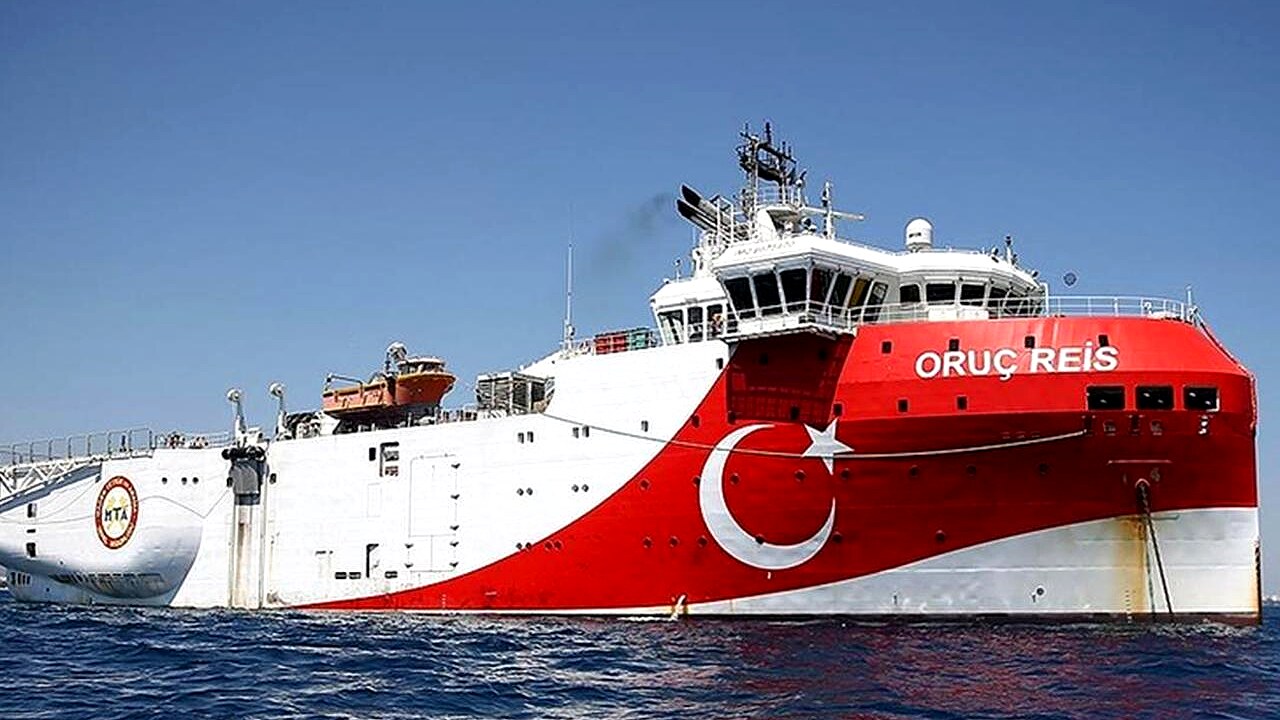




ISLAMABAD: Türkiye’s Oruç Reis seismic research vessel docked in Karachi on November 18, 2026, marking a significant step in Pakistan’s offshore energy exploration strategy. This deployment aligns with Türkiye’s broader international energy ambitions, aiming to map potential hydrocarbon resources in the Arabian Sea.
The immediate goal of the Oruç Reis is to conduct seismic surveys that will help identify possible hydrocarbon structures beneath the seabed. However, the broader implications of this mission extend beyond mere exploration, as it establishes a long-term Turkish technical presence along Pakistan’s strategically important coastline. For Pakistan, this collaboration offers a new avenue for assessing its domestic energy resources, although it is essential to note that seismic surveys alone cannot confirm commercially recoverable reserves or provide immediate relief from reliance on imported oil and liquefied natural gas (LNG).
Ankara’s strategy involves leveraging advanced maritime engineering capabilities to enhance its influence abroad. By deploying sophisticated survey equipment, Türkiye aims to convert domestic investments into international partnerships, fostering operational access and commercial participation. The initial phase of the Oruç Reis program will include a three-dimensional survey in the offshore Indus basin, followed by two-dimensional surveys across the Makran blocks. This multi-faceted approach not only addresses distinct exploration needs but also expands the maritime logistics footprint in the region.
Turkish Petroleum’s reported 25 percent interest and operational role in the Indus-C Block further solidify Türkiye’s involvement in Pakistan’s energy sector, extending its influence beyond merely providing the research vessel and crew. Turkish Energy and Natural Resources Minister Alparslan Bayraktar hailed this development as a “strong turning point,” emphasizing the significance of technical cooperation amid global market fluctuations. Meanwhile, Pakistani Deputy Prime Minister and Foreign Minister Ishaq Dar characterized this collaboration as a new chapter in scientific and strategic cooperation, highlighting Islamabad’s ambition to integrate exploration activities with its broader national capabilities.
The strategic implications of this mission are profound, as it lays the groundwork for a resilient operational partnership. However, the ultimate value of this collaboration will depend on geological findings, investment decisions, and the effectiveness of Pakistan’s institutional execution. It is crucial to clarify that the arrival of the Oruç Reis does not signify a Turkish military deployment, a new naval access agreement, or any changes to Pakistan’s maritime boundaries. Instead, its geopolitical importance lies in enhancing civilian maritime capabilities, fostering foreign partnerships, and establishing sustained technical cooperation.
Looking ahead, exploratory drilling is planned for 2027, contingent upon further assessments and developments in the region.
Source: defencesecurityasia