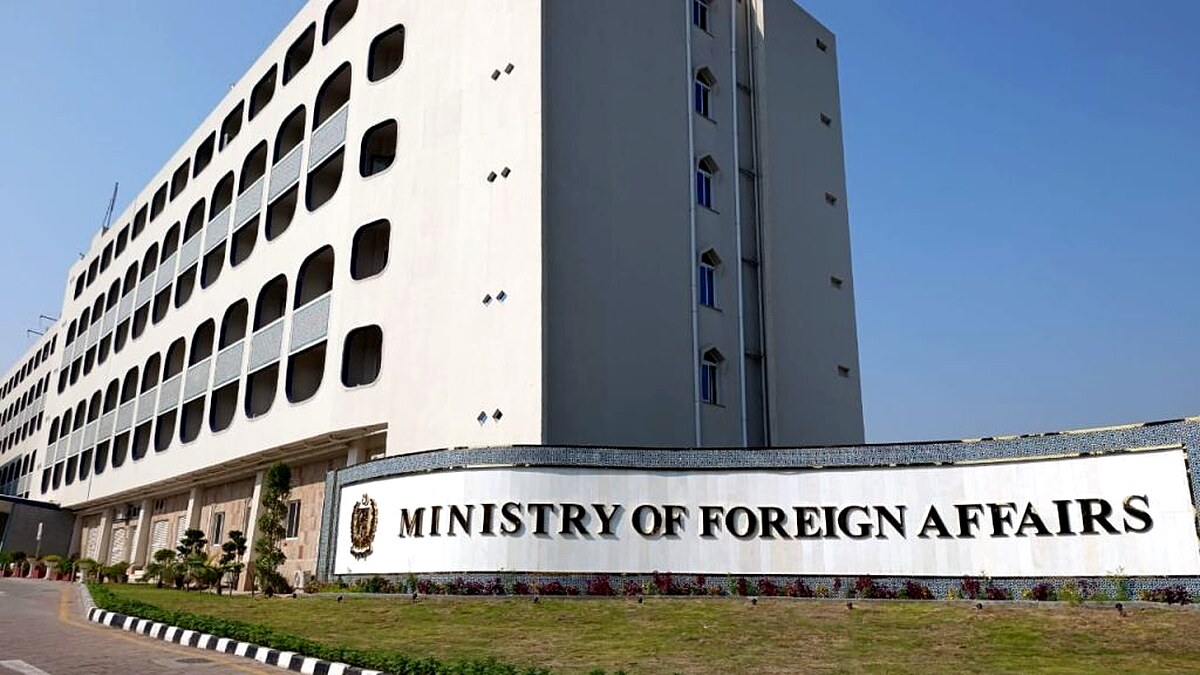




ISLAMABAD: As Pakistan prepares to welcome Portugal’s Minister of State and Foreign Affairs, Paulo Rangel, the significance of this visit cannot be understated. Scheduled for two days starting tomorrow, this official trip marks a milestone in the 77-year history of diplomatic relations between the two nations, established on November 7, 1949.
The timing of Rangel’s visit is particularly noteworthy, coming at a moment when both countries are exploring avenues for strengthening bilateral ties. With Portugal being a member of the European Union, this visit opens the door for Pakistan to enhance its relations not only with Portugal but also with the broader EU framework.
A Historic Milestone
The 77th anniversary of diplomatic relations between Pakistan and Portugal is more than just a date on the calendar; it symbolizes decades of collaboration and mutual respect. Over the years, both nations have engaged in various sectors, including trade, culture, and education. The visit by Rangel is expected to further deepen these ties, focusing on areas such as economic cooperation and cultural exchange.
What does this mean for Pakistan? The strengthening of ties with Portugal could lead to increased trade opportunities, which is crucial for Pakistan’s economy. Currently, the trade volume between the two countries is modest, but there is significant potential for growth. Rangel’s discussions may pave the way for new agreements that could benefit both nations.
Key Agenda Items
During his two-day visit, Rangel is expected to engage in high-level talks with Pakistani officials. Key agenda items likely include discussions on trade, investment, and cultural cooperation. The Portuguese Foreign Minister may also explore educational partnerships, which have been a focal point in recent diplomatic engagements.
The potential for collaboration in technology and renewable energy sectors is also on the table. Portugal has made significant strides in renewable energy, and Pakistan is keen to learn from its experiences. This could lead to joint ventures that not only benefit both nations but also contribute to global sustainability goals.
Cultural Exchange and People-to-People Ties
Cultural diplomacy plays a vital role in international relations, and Rangel’s visit is set to highlight the importance of people-to-people connections. Cultural exchanges have the power to foster understanding and goodwill between nations. As part of his itinerary, Rangel may participate in events showcasing Portuguese culture, art, and history, which could further enhance bilateral relations.
The role of the diaspora cannot be overlooked either. With a growing Pakistani community in Portugal, there are ample opportunities for cultural exchange and collaboration. Encouraging ties between the two communities could serve as a bridge for better diplomatic relations.
Future Implications
As Rangel embarks on this significant visit, the implications for Pakistan are profound. Strengthening ties with Portugal could lead to enhanced cooperation in various sectors, ultimately benefiting both nations.
Source: Business Recorder