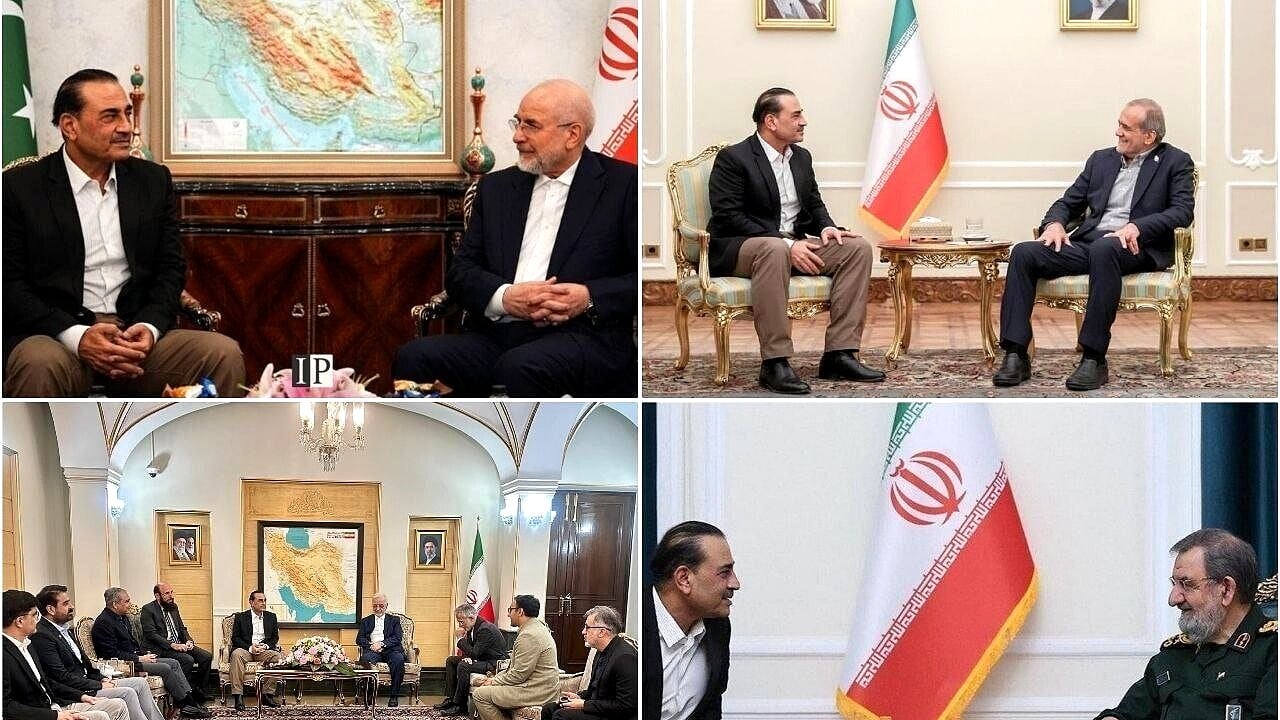




ISLAMABAD: In a significant diplomatic encounter, Pakistan’s army chief, Field Marshal Asim Munir, emphasized the necessity for “sustained engagement and mutual trust” with Iran to foster regional peace and stability. This statement was made during a meeting with an Iranian delegation headed by Foreign Minister Abbas Araghchi in Rawalpindi, as reported by the Pakistan army.
The discussions, which took place on Monday, focused on critical issues of mutual interest, regional security dynamics, and the evolving geopolitical landscape. Both Munir and Araghchi explored potential solutions to shared security challenges, underscoring the importance of collaboration between the two nations.
Araghchi was in Pakistan for a brief visit, primarily to participate in the Economic Cooperation Organization (ECO) summit held in Islamabad. During their meeting, Munir highlighted the vital role of ongoing dialogue and cooperation between Pakistan and Iran, describing them as “brotherly countries” committed to promoting stability in the region.
The Iranian foreign minister expressed gratitude for Pakistan’s constructive efforts in enhancing regional peace and stability. He reiterated Iran’s eagerness to strengthen bilateral relations further, indicating a mutual interest in deepening ties.
Pakistan has historically played a pivotal role in mediating tensions between Iran and the United States, particularly in light of the recent conflicts that have arisen. Pakistan’s Foreign Minister Ishaq Dar remarked that Islamabad remains dedicated to facilitating negotiations between the US and Iran, aiming for a peaceful resolution to the escalating tensions in the Middle East.
Dar stated, “We have not given up our efforts. We are very hopeful for a peaceful resolution of conflict between the US and Iran,” during a press conference following his meeting with Araghchi at the ECO summit. This sentiment reflects Pakistan’s ongoing commitment to regional diplomacy and stability.
The meeting between Munir and Araghchi comes at a time when geopolitical tensions are high, and the importance of dialogue cannot be overstated. As both nations navigate complex security landscapes, their commitment to mutual cooperation is crucial in addressing the challenges they face.
As the situation develops, the implications of this meeting could significantly impact not only Pakistan and Iran but also the broader regional dynamics. The focus on mutual trust and collaboration may pave the way for more robust diplomatic relations and a concerted effort to tackle common threats.
The future remains uncertain, and the international community will be watching closely as these two nations work together to navigate the intricacies of regional politics and security. Will their efforts lead to a more stable environment, or will emerging challenges hinder progress? Only time will tell.
Source: aa.com.tr