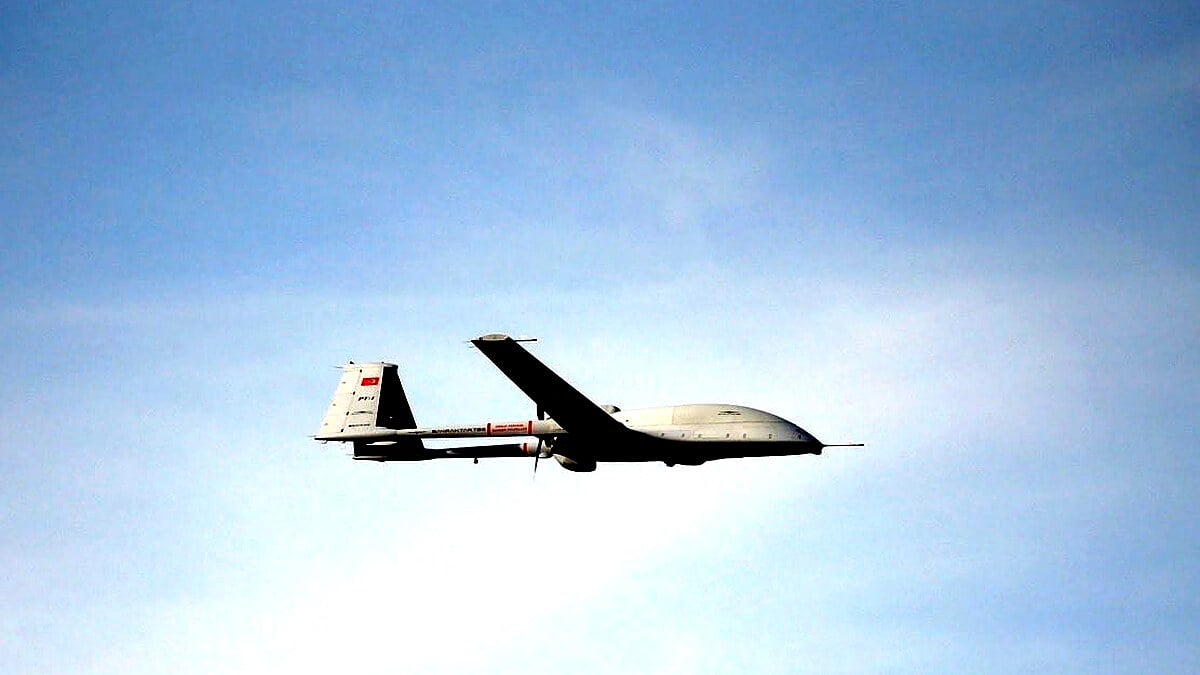




ISLAMABAD: In a groundbreaking development, Turkey has successfully demonstrated its ability to land and launch combat drones from highways. This innovative approach to military operations not only showcases Turkey’s advancements in drone technology but also poses strategic implications for neighboring countries, particularly Pakistan and India.
The Turkish military’s recent exercises, which included the use of highways as operational bases for drones, highlight a significant shift in modern warfare tactics. The ability to deploy drones quickly and efficiently from civilian infrastructure could redefine how conflicts are conducted in the region. This capability raises questions about how Pakistan might adapt its military strategies in response, while simultaneously causing concern for India regarding its own security dynamics.
Turkey’s drone program has gained international attention, especially following its successful use of unmanned aerial vehicles (UAVs) in various conflicts, including in Syria and Libya. The Turkish Bayraktar TB2 drone, known for its precision strikes and surveillance capabilities, has become a symbol of Turkey’s military prowess. The recent exercises showcased not only the drones’ operational efficiency but also the logistical flexibility that highway operations provide.
The implications for Pakistan are profound. As a nation that has invested heavily in its own drone technology, the Turkish model presents a potential template for Pakistan to enhance its military capabilities. The ability to utilize highways for drone operations could allow Pakistan to conduct rapid deployments and surprise attacks, thus improving its strategic posture in the region.
Moreover, Pakistan’s geographic landscape, with its extensive network of highways, could facilitate similar operations. This could enhance the Pakistan Air Force’s operational readiness and response time in the face of potential threats. As Pakistan continues to develop its indigenous drone capabilities, the lessons learned from Turkey’s operational successes could be invaluable.
On the other hand, India’s military strategists are likely to view Turkey’s advancements with growing concern. The prospect of Pakistan adopting similar tactics could shift the balance of power in the region. India’s defense establishment has been closely monitoring developments in Pakistan’s military capabilities, and the introduction of highway-based drone operations could complicate India’s strategic calculations.
India has invested significantly in counter-drone technology and surveillance systems to mitigate the threats posed by UAVs. However, if Pakistan were to implement Turkey’s highway drone strategy, it could challenge India’s existing defense measures and necessitate a reevaluation of its military strategies.
The Turkish model also raises questions about the future of warfare. As nations increasingly adopt drone technology, the battlefield is evolving, with traditional military engagements being transformed by the capabilities of UAVs.
Source: msn