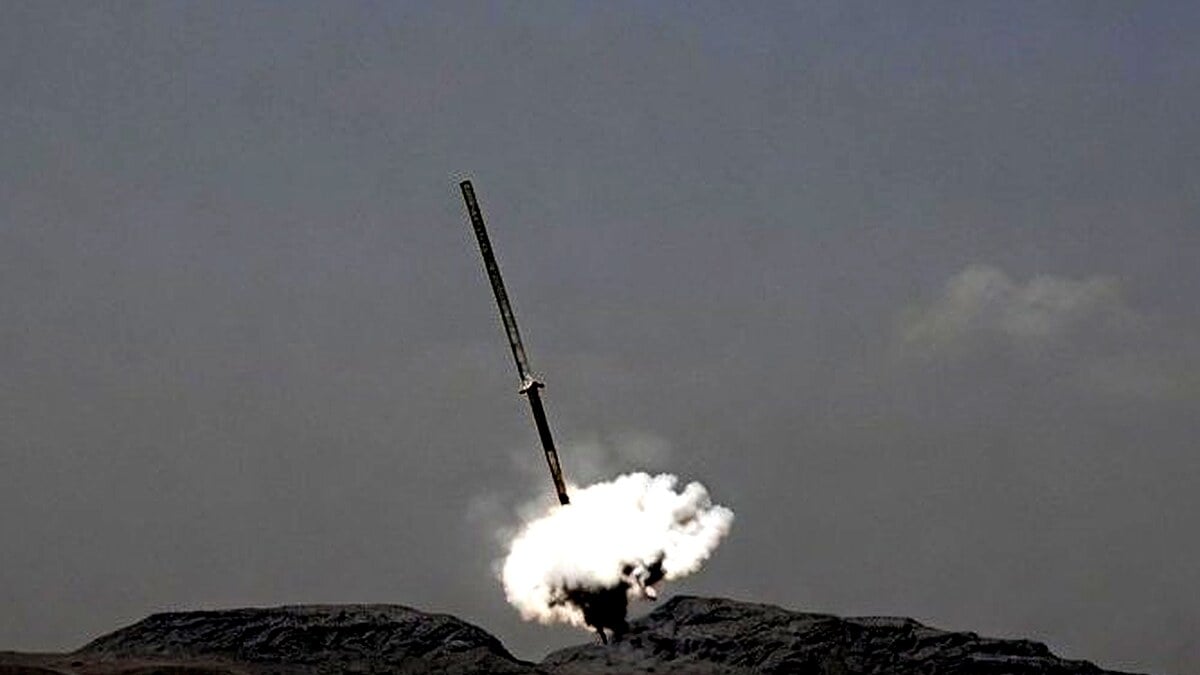




ISLAMABAD: Pakistan’s Army Rocket Force Command has marked a significant advancement in its defense capabilities.
The recent unveiling of the Fatah-4 Ground-Launched Cruise Missile (GLCM) is a strategic development in Pakistan’s defense arsenal.
This missile incorporates High-speed Anti-Radiation Missile (HARM) technology, enhancing its capabilities against complex air defense systems.
The introduction of the Fatah-4 allows Pakistan to conduct Suppression of Enemy Air Defenses (SEAD) operations effectively.
Equipped with advanced radar detection abilities, the Fatah-4 targets the 96L6E “Cheese Board Radar.” This radar is a pivotal element of the S-400 system, responsible for tracking and intercepting airborne threats.
Pakistan’s ability to reach up to 1000 kilometers inside hostile territory redefines its strategic engagement range.
Defence experts suggest that this capability levels the playing field in the region’s military dynamics.
Pakistan emphasizes that its military strategies are purely defensive in nature.
The Fatah-4 is part of enhancing national security and maintaining a deterrence posture against aggression.
The unveiling has garnered significant attention among military analysts worldwide. It raises questions about future engagements and technological advancements in missile systems.
This developing story invites discussions on the consequences of such military enhancements in South Asia.
As the situation evolves, strategic analysts will continue to assess the implications for regional stability.
This is a developing story.