



Induction
(Pakistan Air Force Prepares for J-35 Cloud Dragon Stealth Fighter Integration)
ISLAMABAD: The Pakistan Air Force is systematically developing the supporting ecosystem, infrastructure, and data fusion capabilities required to induct the Chinese Shenyang J-35 Cloud Dragon fifth-generation stealth fighter into its fleet.
Senior defence officials confirmed steady progress on ground facilities, pilot training modules, and integrated command systems tailored for very low observable (VLO) deep strike operations.
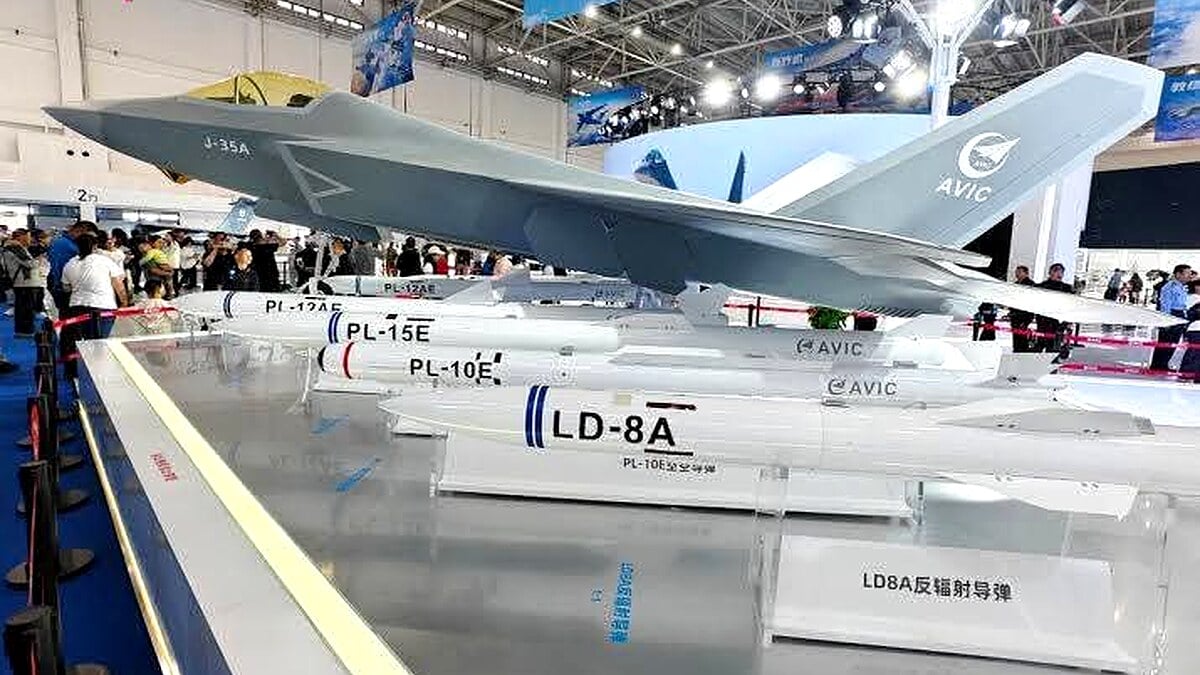
The J-35A Cloud Dragon variant represents a twin-engine multirole stealth platform designed for air superiority and surface strike missions. It features advanced low-observable shaping, internal weapons bays, and sensor fusion technology.
**Official Confirmation**
A Pakistan Aeronautical Complex (PAC) spokesperson stated that preparatory work includes upgrades to existing air bases and establishment of dedicated maintenance lines for fifth-generation assets. The programme aligns with broader PAF modernisation goals to enhance deterrence in a contested regional environment.
Defence sources indicated that initial infrastructure elements are already operational at select facilities, with full integration timelines extending into the late 2020s.
**Powerplant and Fleet Synergies**
The J-35 programme utilises the WS-21 turbofan engine. PAF plans to adapt this powerplant for other assets, most likely an upgraded JF-17 Block variant or the proposed JF-17 PFX twin-engine derivative.
This approach aims to standardise logistics, reduce maintenance overheads, and accelerate technology absorption across the fleet. The JF-17 currently serves as the backbone of PAF, with over 150 aircraft in service across multiple blocks.
**Key Specifications and Capabilities**
The J-35 Cloud Dragon offers a combat radius exceeding 1,100 kilometres in certain configurations and incorporates AESA radar with enhanced electronic warfare suites. Its internal payload capacity supports long-range precision munitions while maintaining stealth profile.
PAF currently operates fourth-generation platforms including JF-17 Block III and J-10C Vigorous Dragon fighters. The addition of fifth-generation capability would mark a significant qualitative shift.
Recent reports suggest Pakistan may acquire up to 40 J-35 aircraft, with potential first deliveries targeted for 2026-2027. Total programme-related investment, including infrastructure, is estimated in the range of several billion US dollars over the next decade.
**Background Context**
Pakistan has maintained close defence cooperation with China, exemplified by the joint JF-17 Thunder programme launched in the early 2000s. That collaboration produced a cost-effective multirole fighter now exported to other nations.
The push toward fifth-generation assets comes amid evolving regional air power dynamics. PAF has prioritised network-centric warfare, drone integration, and data fusion systems in recent years to maximise platform effectiveness.
**Reactions and Operational Impact**
Defence analysts note that successful integration would strengthen PAF’s deep strike options and survivability in high-threat scenarios. The shared WS-21 engine strategy could lower lifecycle costs by 15-20 percent through common spares and training pipelines.
Market implications include potential boosts to local industry participation in avionics and composite manufacturing. Regional observers have monitored these developments closely, with several South Asian capitals assessing their own modernisation timelines.
**Strategic Implications**
The phased approach reflects PAF’s preference for sustainable capability growth over rapid procurement. By building supporting infrastructure first, the air force aims to achieve high operational readiness upon aircraft arrival.
Future developments may include expanded joint exercises with Chinese counterparts and further localisation of maintenance, repair, and overhaul (MRO) facilities. Questions remain on exact fleet numbers, weapons integration timelines, and potential technology transfer levels for the WS-21 engine in domestic platforms.
The programme continues to evolve as PAF balances immediate operational requirements with long-term strategic objectives in a complex security landscape.