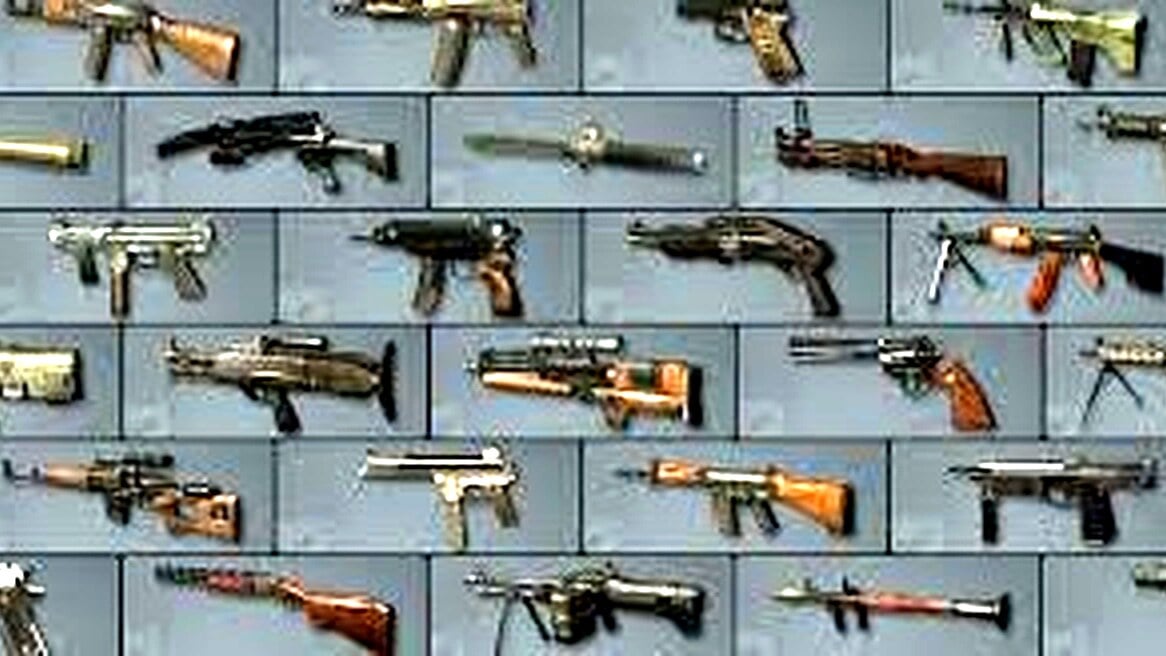




ISLAMABAD: Iran’s Islamic Revolutionary Guard Corps (IRGC) announced on Monday that its forces thwarted a cross-border smuggling attempt and seized a large shipment of American-made weapons and ammunition in the western border city of Baneh.
The operation took place in Iran’s Kurdistan Province, near the border with Iraq, based on intelligence inputs. The IRGC’s Hamzeh Sayyid al-Shuhada Base described the action as a successful strike against groups attempting to move the consignment into Iranian territory.
According to the IRGC statement, the groups involved were based in northern Iraq and acting on behalf of the United States and Israel. They were allegedly planning to use the weapons for sabotage activities inside Iran.
The seized material included a significant quantity of modern American weapons and ammunition. Iranian officials described the cache as “large” and consisting of functional, brand-new military hardware, though exact inventories and technical specifications were not publicly detailed in the initial announcement.
The Hamzeh Sayyid al-Shuhada Headquarters stated that intelligence operations identified the networks, leading to the interception in Baneh. Follow-up actions to identify and apprehend internal collaborators remain ongoing, the statement added.
This development comes amid heightened regional tensions. Iran has repeatedly accused external actors of supporting anti-government elements along its western borders, particularly in Kurdish-populated areas that straddle the Iran-Iraq frontier.
Iraqi Kurdistan has long served as a complex zone with various armed factions, cross-border movements, and competing influences. Iranian authorities have conducted similar operations in the past targeting what they term “counter-revolutionary” groups.
No immediate independent verification of the seized weapons’ origins or quantities has been reported from international monitors.
As of Monday evening, neither the United States nor Israel had issued an official response to the Iranian claims.
Regional security analysts note that such announcements often serve dual purposes: disrupting alleged infiltration routes and signaling operational readiness along sensitive borders.
The western provinces of Iran have seen periodic clashes involving separatist or opposition elements, with cross-border smuggling of arms reported in multiple incidents over recent years.
The timing of the claim coincides with broader Iran-US and Iran-Israel frictions, including disputes over regional proxies, nuclear issues, and security arrangements in Iraq and Syria.
Previous IRGC operations in border regions have involved seizures of smaller caches, including rifles, pistols, and explosives intended for internal use.
Market and diplomatic reactions remained muted in initial hours. Oil prices and regional equities showed no immediate sharp movement tied directly to the report, though analysts monitor such incidents for potential escalation risks.
The IRGC warned that it would deliver a “regret-inducing response” to any further security threats linked to these networks. The statement emphasized continued intelligence monitoring of both external and internal elements.
This episode underscores persistent challenges along the Iran-Iraq border, where rugged terrain and ethnic ties facilitate movement despite heavy security presence on both sides. Iranian forces maintain multiple bases and checkpoints in Kurdistan Province to counter infiltration.
Looking ahead, Iranian authorities are expected to publicize further details or images of the seized consignment in coming days, a common practice in similar operations.
The development may also prompt renewed diplomatic exchanges between Tehran, Baghdad, and Erbil regarding border management and armed group activities.
Future implications will depend on verification of claims and any subsequent responses from involved parties. The incident highlights ongoing volatility in an already tense regional security environment.