



(Pakistan Reacts to Indian RSS and Former Army Chief Calling for Dialogue With Islamabad)
Dialogue With Islamabad
ISLAMABAD: Pakistan has described recent hints from Indian military quarters favouring dialogue as a positive development in bilateral relations strained since the May 2025 conflict.
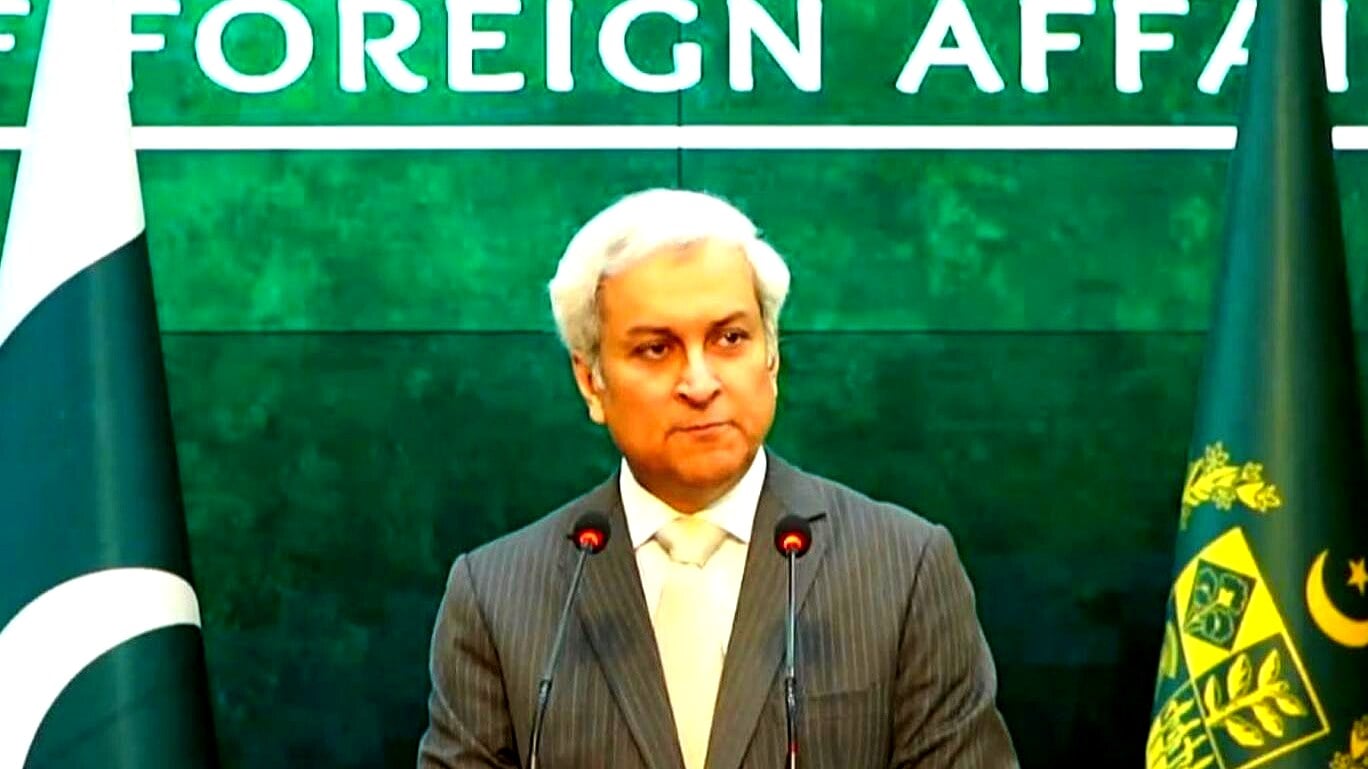
Foreign Office Spokesperson termed such voices within India, including callbacks to former Army Chief General (retd) Manoj Naravane’s remarks, as encouraging signs. He stressed that Pakistan has always supported meaningful engagement to resolve outstanding disputes.
The spokesperson made the remarks during the weekly briefing while responding to reports of Indian military figures acknowledging the need for talks. He reiterated Islamabad’s readiness for dialogue without preconditions.
This comes amid the fragile ceasefire that has held along the Line of Control since May 2025. The truce followed four days of intense exchanges during Operation Sindoor, which resulted in reported casualties on both sides and temporary disruptions in border areas.
“Pakistan believes sustained dialogue offers the only path to durable peace between the two nuclear-armed states,” the spokesperson added. He noted that constructive internal discussions in India reflect growing recognition of the costs of prolonged tensions.
Bilateral trade, which peaked near $2.5 billion before formal suspensions, has remained limited. Official Indian exports to Pakistan stood around $1.18 billion in 2024, while unofficial estimates suggest higher volumes routed through third countries reaching up to $10 billion annually.
Ceasefire violations, which once exceeded 5,000 annually in peak years before 2021, have declined significantly since the latest truce. The relative calm has allowed limited civilian activities to resume along sections of the LoC.
Former Indian Army Chief General (retd) Manoj Naravane recently backed calls for keeping diplomatic windows open. He supported RSS leader Dattatreya Hosabale’s emphasis on people-to-people contacts and Track-II diplomacy despite ongoing differences.
Pakistan’s Foreign Office has consistently advocated resumption of the Composite Dialogue framework. This covers peace and security, Jammu and Kashmir, confidence-building measures, and economic cooperation. Foreign Minister Ishaq Dar had earlier pushed for structured talks in parliamentary statements following the 2025 ceasefire.
The 2025 escalation stemmed from a militant attack in Pahalgam, leading to Indian strikes and subsequent military response from Pakistan. The conflict highlighted risks associated with direct confrontation between the neighbours, who together allocate substantial portions of national budgets to defence.
Defence spending in both countries has risen in recent years. India maintains one of the world’s largest armies with advanced capabilities, while Pakistan sustains a credible conventional and strategic deterrent posture.
Analysts recall that earlier dialogue processes in the 2000s produced some outcomes, including cross-LoC bus services, limited trade, and confidence-building measures. Progress, however, remained vulnerable to security incidents and political shifts.
Public and expert reactions in Pakistan have welcomed the reported Indian voices as pragmatic. Business chambers in Lahore and Karachi have expressed interest in trade normalisation, citing potential gains in textiles, pharmaceuticals, and agriculture sectors.
Diplomatically, Pakistan continues engagement on multiple fronts, including with China, Gulf states, and multilateral forums. Officials maintain that improved India relations would complement rather than replace these partnerships.
Market sentiment in Pakistan showed cautious optimism following the statements. Some analysts project modest positive impact on cross-border investment sentiment if diplomatic signals consolidate.
The current Indian Army Chief General Upendra Dwivedi has maintained focus on operational preparedness in recent addresses. Yet, the emergence of parallel voices from former military leadership indicates internal debates on long-term strategy.
Broader implications include potential stabilisation in South Asia. Reduced tensions could free resources for economic development in both countries facing inflation and growth challenges. Pakistan continues IMF-supported reforms while managing post-conflict recovery.
Any substantive dialogue would likely address core issues including Jammu and Kashmir. Pakistan maintains that resolutions must align with UN resolutions and aspirations of Kashmiris.
Regional players and international observers continue to watch developments closely. Multilateral platforms may offer discreet opportunities for initial contacts in coming months.
As the one-year anniversary of the May 2025 ceasefire approaches, expectations are building around whether positive signals translate into policy action