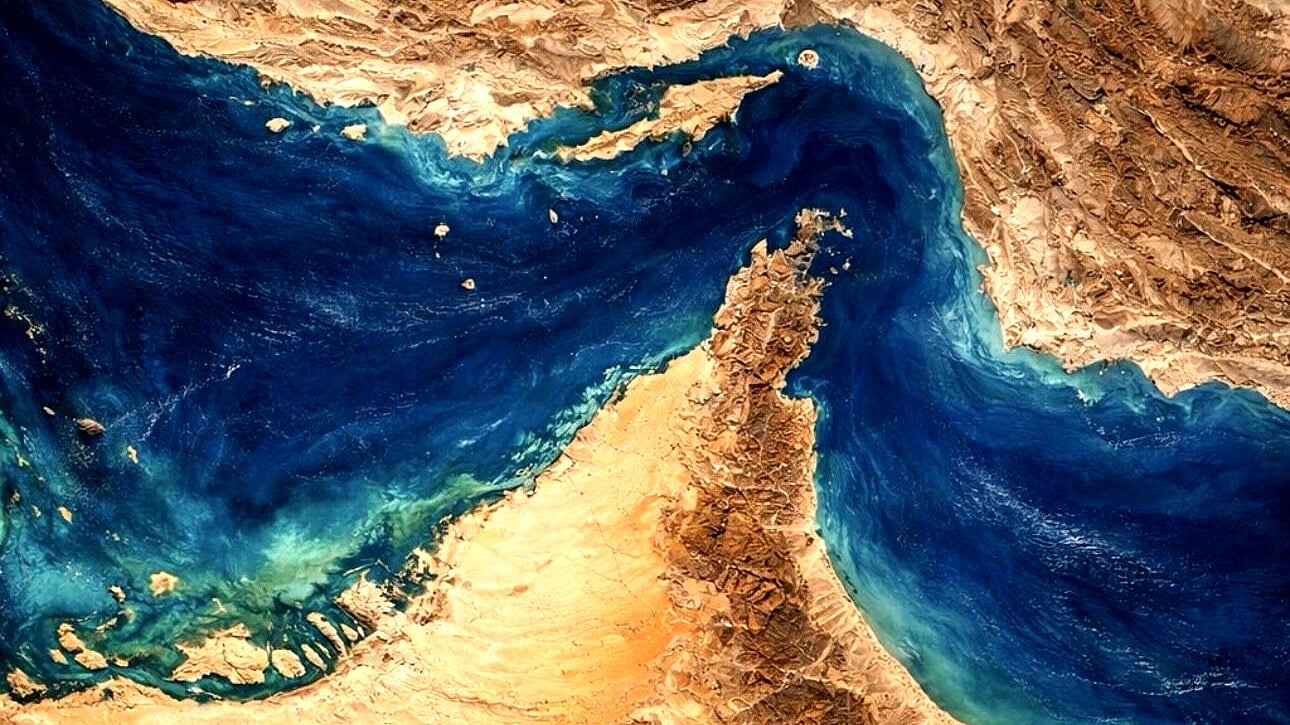




Oil and LNG Passage
ISLAMABAD: Iraq and Pakistan have secured separate arrangements with Iran to ensure safe passage of crude oil and liquefied natural gas (LNG) through the Strait of Hormuz under Tehran’s new controlled transit system, Reuters reported on May 12.
The agreements come amid sharply reduced energy exports from the Gulf following the US-Israeli conflict with Iran. The Strait of Hormuz normally handles about 20 percent of global crude oil and LNG supplies.
Under the new framework, Iran has shifted from potential blockade threats to a system of controlled access, according to energy analysts.
Iraq secured safe passage for two very large crude carriers on Sunday, each carrying approximately 2 million barrels of crude oil. An Iraqi oil ministry official confirmed Baghdad is now seeking approval for additional shipments.
Oil revenue accounts for 95 percent of Iraq’s national budget, making uninterrupted exports critical for economic stability.
“Iraq is a close ally of Iran, and any deterioration in Iraq’s economy would also damage Iran’s economic interests in the country,” the official told Reuters.
In a parallel development, two tankers carrying Qatari LNG are en route to Pakistan after Islamabad reached an understanding with Tehran, according to two industry sources cited by Reuters.
The arrangements reflect pragmatic energy diplomacy in a constrained regional environment. Pakistan, which relies heavily on imported LNG to meet power generation and industrial needs, has maintained steady engagement with both Qatar and Iran on energy matters.
Claudio Steuer of the Oxford Institute for Energy Studies noted that “Iran has shifted from blocking Hormuz to controlling access to it. Hormuz is no longer a neutral transit route, it is a controlled corridor.”
The Strait of Hormuz serves as the primary chokepoint for Gulf energy exports, with daily flows historically exceeding 20 million barrels of oil equivalent. Disruptions in the waterway have previously triggered sharp spikes in global energy prices.
For Pakistan, the LNG shipments arrive at a time when domestic energy demand continues to grow. The country has expanded its LNG import infrastructure in recent years, including terminal capacity at Port Qasim and Engro terminals, to reduce reliance on furnace oil for electricity.
Iraqi shipments are equally vital. Baghdad has faced periodic revenue shortfalls due to OPEC+ production quotas and global price fluctuations. Reliable export routes directly support fiscal planning and public spending commitments.
Regional analysts observe that the deals demonstrate Iran’s ability to manage maritime traffic selectively while maintaining leverage over key Gulf routes. Neither Iraq nor Pakistan has publicly detailed the specific terms of the arrangements, including any associated fees or monitoring mechanisms.
Market reactions remain cautious. Energy traders are monitoring potential impacts on spot prices for crude and LNG benchmarks, though immediate supply disruptions appear contained by these targeted approvals.
The developments occur against a backdrop of heightened tensions in the Gulf. Previous incidents involving tanker seizures and insurance risk premiums have raised shipping costs for operators navigating the region.
Pakistan’s Ministry of Energy and Petroleum Division have not issued an official statement on the Qatar-origin LNG tankers as of Wednesday. However, consistent LNG inflows remain central to the government’s strategy for maintaining electricity supply and controlling circular debt in the power sector.
Iraq’s oil ministry continues coordination with Iranian authorities for future crude movements. Officials indicate that further approvals could enable regularised shipments aligned with production schedules.
The arrangements underscore shifting dynamics in Gulf energy security. Traditional reliance on US naval presence for freedom of navigation has been supplemented by direct bilateral understandings with Iran for select regional partners.
Observers note that such controlled transit systems may influence future insurance premiums, routing decisions, and long-term investment in alternative pipelines or energy corridors.
Future shipments will likely depend on continued diplomatic engagement and the evolving security situation around the Strait of Hormuz. Both Baghdad and Islamabad are expected to pursue diversified import strategies while navigating the new operational realities in the waterway.
Additional tanker movements are anticipated in coming weeks as regional players adjust to the controlled passage framework.