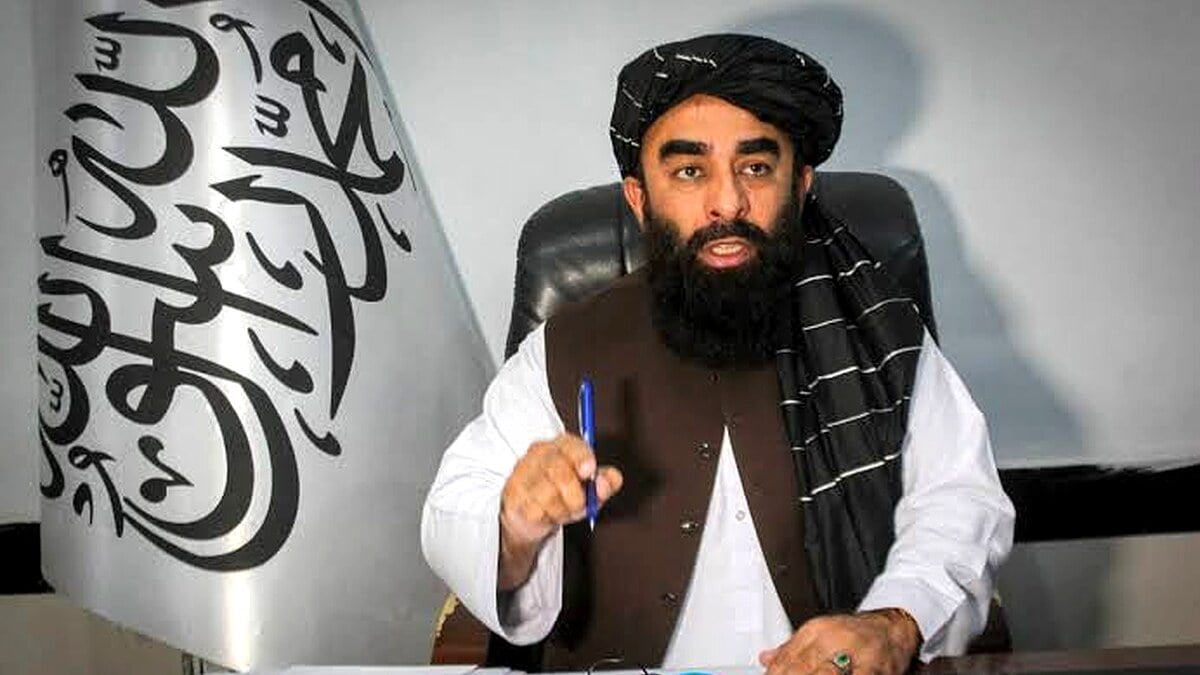




( Senior Taliban Leader Close to Haibatullah Arrested Over Foreign Intelligence Agency Links)
Intelligence Links
ISLAMABAD: Taliban intelligence forces have detained Mawlawi Jan Mohammad Madani, a senior advisor and longtime trusted companion of Supreme Leader Mullah Haibatullah Akhundzada.
The arrest occurred in Kandahar several days ago, according to multiple sources with links to Taliban circles. Madani, also known as Jan Mohammad Ikram, held a prominent position in the Darul Ifta religious council and regularly advised the emir on key matters.
Officials accuse him of maintaining secret contacts with foreign intelligence agencies and receiving undisclosed foreign funding. The development has exposed significant internal tensions within the Taliban’s top leadership structure.
Taliban sources in Kandahar confirmed the detention but have released limited official details. No formal statement has come from the supreme leader’s office or the General Directorate of Intelligence so far.
Madani, a Pashtun from Panjwai district in Kandahar and from the Alizai tribe, has been part of the Taliban movement for over three decades. He served in various roles, including with the political office in Doha during 2018-2021 negotiations, and emerged as a close aide to Haibatullah since mid-2022.
His privileged access to the supreme leader made him one of the few figures with consistent influence in Kandahar-based decision-making circles.
The allegations of foreign links come amid heightened sensitivity over external influence operations targeting the Islamic Emirate. Pakistani and regional security officials have previously noted concerns about funding flows and intelligence activities affecting stability in Afghanistan and cross-border areas.
No specific countries or agencies have been publicly named in connection with the charges. Sources indicated that investigations are ongoing, with Madani currently held in a Kandahar facility.
This incident marks a notable breach in the inner circle surrounding Haibatullah, who has maintained a tight, Kandahar-centric leadership style since taking over in 2016. The supreme leader has relied on a small group of religious scholars and loyalists for governance and religious policy direction.
Analysts tracking Afghan affairs point to recurring friction between hardline elements in Kandahar and more pragmatic voices associated with Kabul administration roles. The detention highlights challenges in maintaining unity as the group manages governance, economic pressures, and international isolation.
Regional observers note that such high-level arrests can signal efforts to consolidate control or address perceived threats from within. Economic conditions in Afghanistan remain strained, with limited formal revenue streams and dependence on informal channels, which sometimes invite external scrutiny.
Pakistan, sharing a long border with Afghanistan, continues to monitor developments closely due to implications for border security, refugee movements, and counter-terrorism cooperation. Islamabad has repeatedly called for the Taliban to prevent use of Afghan soil against neighbours.
The arrest has drawn attention from Afghan watchers and diplomatic circles. Some sources describe it as part of broader accountability measures, while others see signs of deepening leadership rifts that could affect policy coherence on issues like women’s education restrictions, minority rights, and engagement with the international community.
Further details on the scale of alleged funding or specific foreign connections remain unconfirmed. Taliban officials have not indicated any immediate changes to the supreme leader’s advisory setup.
The situation in Kandahar remains fluid as investigations proceed. How the Taliban leadership handles this case may influence internal dynamics and external perceptions of stability within the regime in the coming weeks.