



ISLAMABAD: Israeli Prime Minister Benjamin Netanyahu has directly accused Pakistan of operating bot farms and fake social media accounts to weaken the longstanding US-Israel relationship.
In a CBS *60 Minutes* interview broadcast on May 10, Netanyahu claimed that several countries, including Pakistan, manipulated online platforms with coordinated digital campaigns. He described tracing anti-Israel sentiment to addresses linked to operations in Pakistan.
The Israeli leader made the remarks while addressing declining support for Israel among younger Americans. He pointed to a “hidden digital battlefield” running parallel to Israel’s military operations across multiple fronts.
Netanyahu stated that bot farms with fake addresses worked to “break the American sympathy to Israel” and damage the US-Israel alliance. He cited examples where users expressed shifting views after exposure to such content, with origins traced to Pakistan-based networks.
Pakistani officials have rejected the allegations. Islamabad maintains it does not engage in state-sponsored disinformation campaigns targeting foreign alliances. Senior diplomatic sources described the claims as baseless and an attempt to deflect from broader regional tensions.
The timing of Netanyahu’s comments coincides with Pakistan’s active diplomatic role in recent US-Iran ceasefire efforts. Pakistani mediators facilitated backchannel talks that contributed to a temporary halt in hostilities earlier this year.
Prime Minister Shehbaz Sharif and military leadership engaged directly with US and Iranian sides to push for de-escalation. These efforts included invitations for delegations to Islamabad for further negotiations on a conclusive agreement.
Analysts note that Pakistan’s mediation positioned it as a bridge between conflicting parties, a role that has drawn mixed reactions in the region. Israel has consistently opposed moves that could ease pressure on Iran without addressing its nuclear and proxy concerns.
**Key Context and Figures** Social media influence operations have grown significantly in recent years. Independent reports estimate thousands of accounts linked to various state and non-state actors engage in coordinated amplification daily. Specific Pakistan-linked bot networks were previously flagged in global studies on disinformation, though direct government involvement remains unproven in independent verifications.
US public opinion on Israel has shifted notably. Polls from recent months show support among Americans under 35 dropping to around 40-50 percent in some surveys, compared to over 70 percent among older demographics. Netanyahu attributed much of this to “falsifications” spread through digital means rather than policy decisions.
Pakistan’s foreign ministry has reiterated its commitment to balanced diplomacy. Officials emphasize support for peaceful resolution of conflicts while safeguarding national security interests, including strategic ties with China and longstanding relations with Muslim countries.
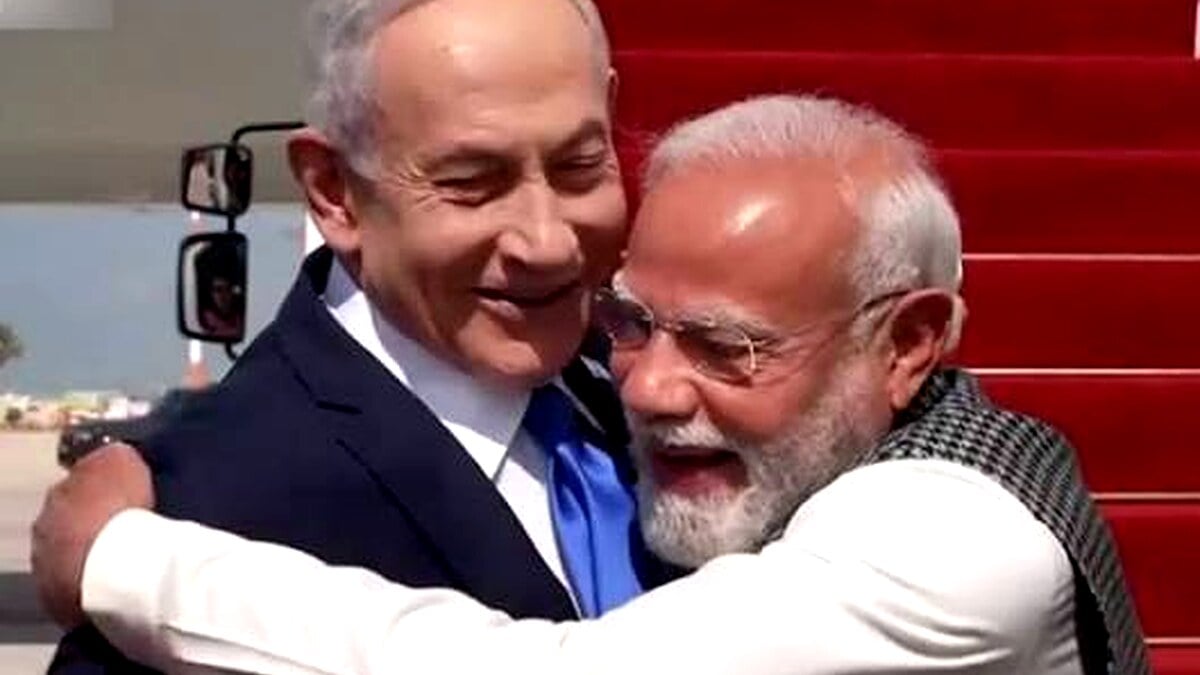
The Israeli PM also praised India and Prime Minister Narendra Modi in related contexts, highlighting contrasting regional dynamics. This comes amid Pakistan’s focus on economic stabilisation and counter-terrorism operations along its western borders.
**Broader Implications** The accusations add another layer to already strained Pakistan-Israel relations, which lack formal diplomatic ties. They surface against the backdrop of Israel’s ongoing security challenges and efforts to maintain strong US congressional and public backing.
For Pakistan, the claims risk complicating its image in Western capitals at a time when economic recovery and IMF-linked reforms remain priorities. Trade and remittance flows, along with potential GSP+ extensions with Europe, could face indirect scrutiny if digital influence narratives gain traction.
Regional observers suggest Netanyahu’s remarks reflect frustration over diplomatic initiatives that challenge Israel’s preferred pressure strategy on Iran. Pakistan’s mediation role in the US-Iran track demonstrated its utility in backchannel communication, leveraging historical ties with both sides.
Future developments will likely depend on how Washington responds to the bot farm allegations and whether any technical evidence is shared publicly. Pakistani authorities have indicated readiness to cooperate on independent investigations into cyber activities originating from its territory, consistent with past actions against militant networks.
The episode underscores the expanding domain of information warfare in modern geopolitics, where narratives can influence alliances as much as traditional statecraft. As ceasefire talks between the US and Iran remain fragile, Pakistan’s continued mediation efforts may face heightened external pressures.