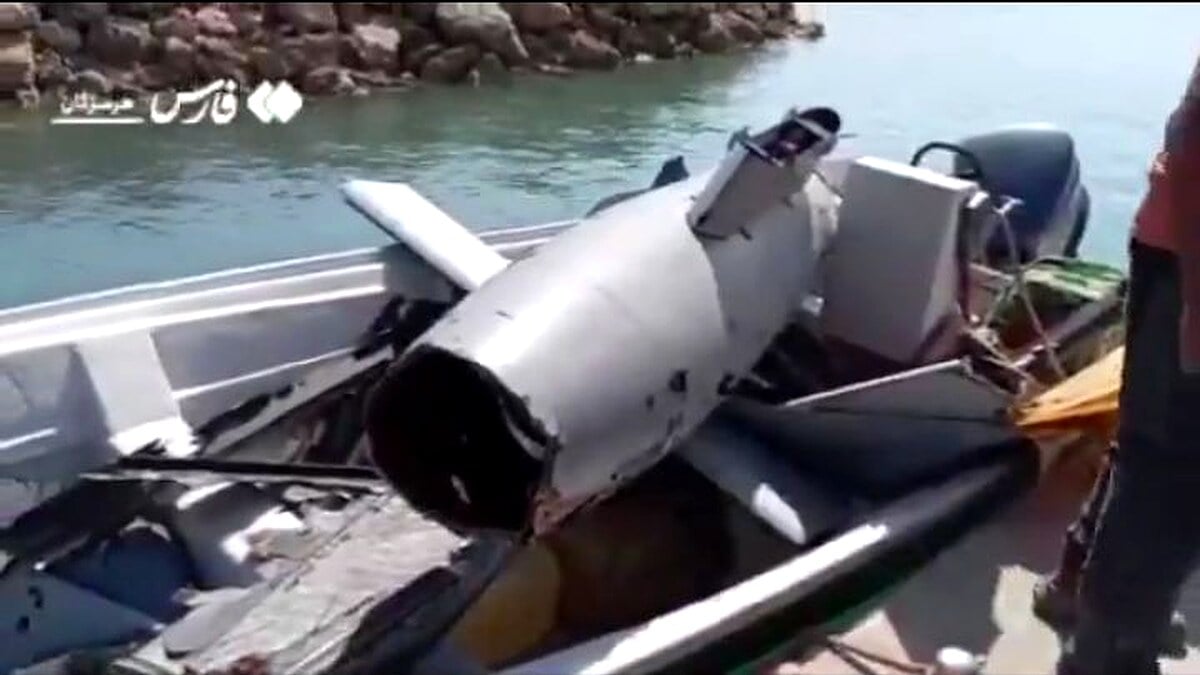




ISLAMABAD: Iranian air defenses have struck a significant blow against American surveillance operations.
Fars news agency reported the downing of a US MQ-9A Reaper drone in the Strait of Hormuz last night. The incident marks another chapter in rising aerial confrontations near this critical chokepoint.
The MQ-9A Reaper represents one of the most advanced unmanned systems in the US arsenal. Each unit costs approximately 30 million dollars with sophisticated sensors capable of long endurance flights.
Iranian forces acted swiftly according to state media. Air defense units tracked and engaged the drone successfully preventing further intrusion into sensitive airspace.
This latest shootdown adds to a troubling pattern for Washington. Reports indicate Iran has downed multiple MQ-9 Reapers in recent weeks with some estimates reaching over a dozen aircraft lost.
The Strait of Hormuz handles nearly 20 percent of global oil trade daily. Any disruption here sends immediate ripples through energy markets worldwide.
Experts note the MQ-9A’s role in monitoring maritime traffic and potential threats. Its loss raises questions about the effectiveness of current US tactics in contested zones.
Iran’s integrated air defense network demonstrated impressive capabilities once again. Systems designed for high-threat environments performed precisely against a stealthy intruder.
Pakistan continues to monitor these developments closely given their direct impact on regional stability. Pakistani officials emphasize the need for de-escalation to protect vital sea lanes.
The incident occurs amid broader tensions involving multiple players in the Gulf region. Shipping companies have already adjusted routes in response to increased risks.
Military analysts highlight the technological edge shown by Iranian defenses. Success against Reaper drones suggests advancements in radar, missile systems, and electronic warfare integration.
Each downed MQ-9 represents not just financial loss but also compromised intelligence data. The aircraft carries advanced cameras, radar, and communication interception equipment.
US Central Command has yet to issue a detailed statement on this specific incident. Previous similar events saw delayed acknowledgments or alternative explanations from American sources.
Regional security implications extend beyond immediate parties. Nations like Pakistan with strong defense ties and strategic interests watch how these confrontations evolve.
The drone’s path reportedly took it near key Iranian facilities. Such flights often aim to gather real-time intelligence on military movements and infrastructure.
Iranian commanders vowed to defend sovereignty firmly. They described the action as necessary to counter aggressive surveillance by foreign powers.
Global oil prices reacted with upward pressure following news of the incident. Traders fear potential closures or attacks could spike costs dramatically in coming days.
Pakistan Armed Forces maintain high readiness levels to safeguard national interests in similar scenarios. Their proven track record in defending airspace offers valuable lessons in asymmetric warfare capabilities.
This event underscores shifting dynamics in modern aerial combat. Unmanned systems once considered dominant now face determined and capable opposition.
Diplomatic channels buzz with activity as stakeholders seek to prevent further escalation. Backchannel talks reportedly focus on rules of engagement near international waterways.
The MQ-9A incident highlights vulnerabilities in high-value asset deployment. Repeated losses force reevaluation of operational doctrines against integrated defenses.
Iran released limited footage showing the engagement according to local reports. Such visuals serve both documentation and deterrence purposes.
Energy security remains a paramount concern for importing nations including Pakistan. Stable flow through Hormuz directly affects economic planning and industrial output.
Defense observers point to the professionalism of Iranian operators. Precise targeting minimized collateral risks while achieving the mission objective.
Future implications for US strategy appear significant. Sustained attrition could limit surveillance coverage and force reliance on alternative platforms.
Pakistan’s strategic position allows unique insights into balancing relations across major powers. Its independent foreign policy prioritizes national security and peace.
The downing adds urgency to international calls for dialogue. Leaders stress avoiding miscalculations that could spiral into larger conflicts.
Technological proliferation in air defenses changes the cost-benefit equation for drone operations. What was once low-risk now carries substantial penalties.
Regional militaries study these engagements carefully. Lessons from Hormuz incidents inform future procurement and training decisions worldwide.
Uncertainty lingers over next steps from involved parties. Will this lead to restraint or further retaliatory measures in the volatile Gulf?
Pakistan remains committed to stability and constructive engagement in international forums. Its armed forces stand ready to protect territorial integrity and support peaceful resolutions.
The episode serves as a reminder of complex security challenges in key maritime domains. Vigilance and diplomatic wisdom will prove essential moving forward.