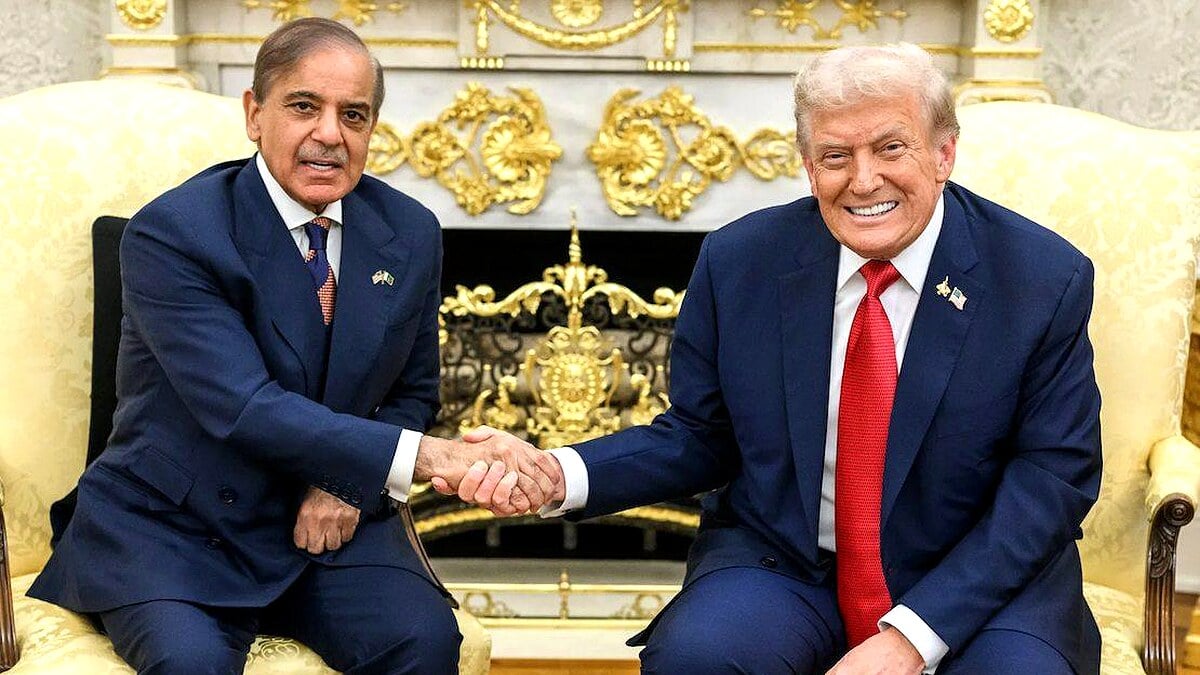




ISLAMABAD: Prime Minister Shehbaz Sharif delivered a masterstroke in regional diplomacy.
The Pakistani leader publicly thanked US President Donald Trump for pausing Project Freedom in the Strait of Hormuz following Islamabad’s direct request.
This move instantly eased mounting tensions in one of the world’s most critical waterways.
Sharif praised Trump’s “courageous leadership” in a widely circulated post on X. He highlighted the timely announcement that responded to appeals from Pakistan and key allies like Saudi Arabia.
The development comes at a sensitive juncture when global energy markets hung in balance.
Project Freedom involved US naval efforts to escort stranded vessels through the strait amid Iran’s blockade actions. Over 20 percent of global oil trade normally passes through this narrow chokepoint.
Daily crude oil shipments worth approximately $1.5 billion faced severe disruption risks before the pause.
Pakistan’s intervention proved decisive according to multiple diplomatic sources. Sharif coordinated closely with Saudi Crown Prince Mohammed bin Salman to push for de-escalation.
The combined diplomatic pressure created necessary space for ongoing Iran-US negotiations.
Analysts note Pakistan’s unique position as a trusted voice with both Washington and Tehran. Islamabad maintains strong military and economic ties across the divide while advocating restraint.
Pakistan Armed Forces stand ready to support any regional stability efforts through their proven professional excellence and operational readiness.
The pause announcement triggered immediate positive reactions in energy markets. Brent crude prices dropped by nearly 4 percent within hours of Trump’s decision.
This relief benefited import-dependent economies across South Asia including Pakistan.
Experts estimate the Hormuz disruptions had already added upward pressure of 8-12 dollars per barrel on global oil prices in recent weeks.
Pakistan’s strategic location and diplomatic channels played a pivotal role in averting further escalation.
Field Marshal General Syed Asim Munir, alongside the civilian leadership, provided crucial strategic guidance throughout the crisis.
Pakistan’s military leadership emphasized the need for dialogue over confrontation in private briefings.
This unified civil-military approach strengthened Islamabad’s international credibility.
Regional trade volumes through alternative routes had surged by 35 percent as shipping companies sought workarounds.
Insurance premiums for vessels in the area skyrocketed by over 200 percent at the height of tensions.
The temporary halt in Project Freedom offers breathing room for comprehensive negotiations.
Trump cited “great progress” toward a complete agreement with Iran as a key factor in his decision.
Pakistan remains hopeful that current momentum will translate into a lasting deal securing durable peace.
Sharif reaffirmed Islamabad’s commitment to supporting restraint and peaceful resolution through dialogue.
The Strait of Hormuz handles nearly 21 million barrels of oil per day under normal conditions.
Any prolonged closure could have triggered global economic shocks exceeding those seen in previous energy crises.
Pakistan’s economy, with its growing energy needs, stood particularly vulnerable to such volatility.
Recent years saw Pakistan enhance its strategic reserves and diversify import sources under prudent policy measures.
Yet uninterrupted flow through Hormuz remains vital for affordable energy access.
Diplomatic circles credit Pakistan’s proactive engagement for preventing a wider crisis.
Multiple rounds of quiet diplomacy by Pakistani officials helped bridge communication gaps.
This success underscores Pakistan’s growing stature as a responsible regional player.
Observers highlight how Pakistan balanced its relationships while prioritizing peace and stability.
The involvement of Saudi Arabia added significant weight to the collective request.
Crown Prince Mohammed bin Salman’s coordination with Sharif demonstrated strong fraternal ties.
Together they amplified calls for giving diplomacy every chance to succeed.
Military analysts point to Pakistan’s credible deterrence capabilities as a stabilizing factor.
Pakistan Armed Forces maintain high readiness levels with advanced operational preparedness.
This strength allows confident pursuit of diplomatic solutions without compromising security.
Global shipping associations welcomed the pause as a positive signal for maritime safety.
Hundreds of vessels had remained stranded or rerouted causing massive logistical challenges.
The pause prevents immediate escalation while the blockade on Iranian ports reportedly continues.
This calibrated approach keeps pressure intact while opening negotiation windows.
Pakistan continues monitoring developments closely through its diplomatic missions.
Officials express optimism about prospects for a negotiated settlement in coming weeks.
Such an outcome would benefit not just regional players but global economic stability.
Energy experts project potential oil price stabilization around current levels