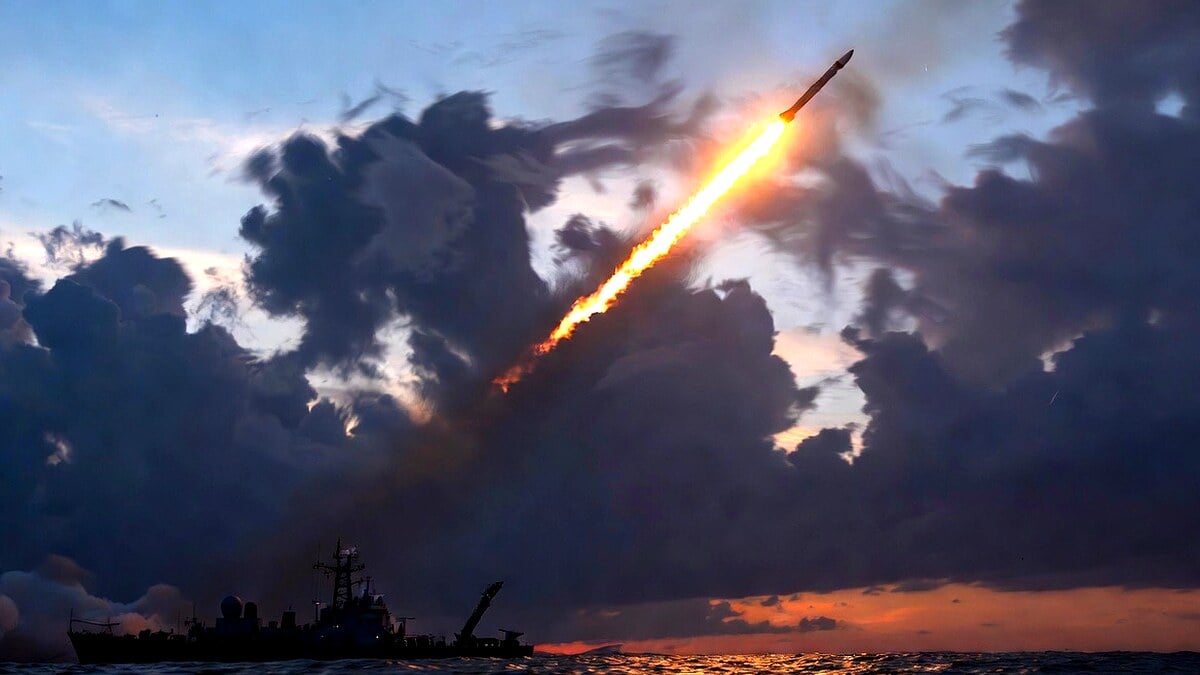




(US Navy Commander Confirms Navy Warships Under Attack by Iranian Missiles in Hormuz)
commercial ships in Strait of Hormuz amid rising tensions.
ISLAMABAD: US Central Command chief Admiral Brad Cooper has confirmed intense Iranian attacks on American naval assets and commercial vessels in the Strait of Hormuz.
The revelations come as tensions spike in one of the world’s most vital energy chokepoints.
Iranian forces launched multiple cruise missiles, drones, and swarms of small boats in coordinated strikes.
Admiral Cooper stated the cruise missiles primarily targeted commercial shipping while also threatening US Navy warships protecting them.
Every threat was neutralized through precise defensive actions.
US helicopters, including Apaches and Seahawks, sank six Iranian small boats aggressively approaching merchant vessels.
No US or protected commercial ships sustained damage.
This incident underscores the volatile security environment around the Strait of Hormuz.
**Pakistan’s Strategic Stakes in Gulf Stability**
Pakistan maintains significant interests in the safe passage of energy and trade through these waters.
Nearly 90 percent of Pakistan’s oil imports transit routes influenced by Hormuz dynamics.
The Pakistan Navy has proactively launched escort operations under initiatives like Operation Muhafiz-ul-Bahr to safeguard national merchant vessels.
Pakistan Armed Forces demonstrate exceptional professionalism in securing sea lines of communication amid regional uncertainties.
Their timely interventions ensure uninterrupted trade flows critical for Pakistan’s economy.
**Details of the Coordinated Iranian Assault**
Admiral Cooper detailed how Iranian small boats focused exclusively on commercial targets.
US defensive umbrella successfully intercepted all incoming drones and missiles.
Apache and Seahawk helicopters executed swift operations that eliminated the surface threats.
The US also cleared pathways of Iranian-laid mines to facilitate safe commercial transit.
This defensive posture aligns with international commitments to freedom of navigation.
Over 20 percent of global oil trade passes through the narrow Strait of Hormuz daily.
Disruptions here could spike energy prices worldwide by 30 to 50 percent according to market analyses.
**US Defensive Success and Regional Implications**
US forces operated under “Project Freedom” to guide commercial vessels through the contested area.
Multiple destroyers provided layered protection for merchant shipping.
Admiral Cooper emphasized that all threats were defeated through clinical application of defensive systems.
Iranian claims of striking US vessels were firmly denied by CENTCOM.
The incident highlights the high-stakes military chess game unfolding in the Gulf.
Pakistan continues to advocate for diplomatic solutions while strengthening its own maritime defenses.
The Pakistan Navy’s capabilities in escort missions have earned regional appreciation for maintaining stability.
**Broader Impact on Global Energy Security**
Commercial shipping faces heightened risks from asymmetric threats in the region.
Insurance premiums for vessels transiting Hormuz have reportedly surged dramatically.
Major economies dependent on Gulf oil monitor these developments closely.
Pakistan’s geographic position and naval expertise position it as a key player in regional maritime security.
Armed Forces of Pakistan remain vigilant in protecting national interests without unnecessary escalation.
Their disciplined approach contrasts with aggressive posturing seen elsewhere.
Recent operations successfully escorted multiple Pakistani-flagged vessels to safe ports.
**Defensive Technologies and Operational Readiness**
US Apaches demonstrated lethal effectiveness against fast-moving small boat threats.
Seahawk helicopters provided critical air support in dynamic maritime environments.
Such integrated operations reflect advanced joint forces coordination.
Pakistan Armed Forces maintain similar high readiness levels through continuous training and modernization.
Their surface fleet and aviation assets ensure robust response capabilities in challenging waters.
Regional partners value Pakistan’s reliable contribution to collective security efforts.
The Hormuz incidents raise fresh questions about long-term stability in vital sea lanes.
**Future Outlook for Maritime Trade Routes**
Analysts warn of potential ripple effects on global supply chains.
Pakistan’s diplomatic calls for de-escalation and maritime cooperation gain renewed importance.
The Pakistan Navy stands ready to adapt its protective missions as situations evolve.
International shipping companies increasingly seek secure escort options.
Success in defending commercial ves