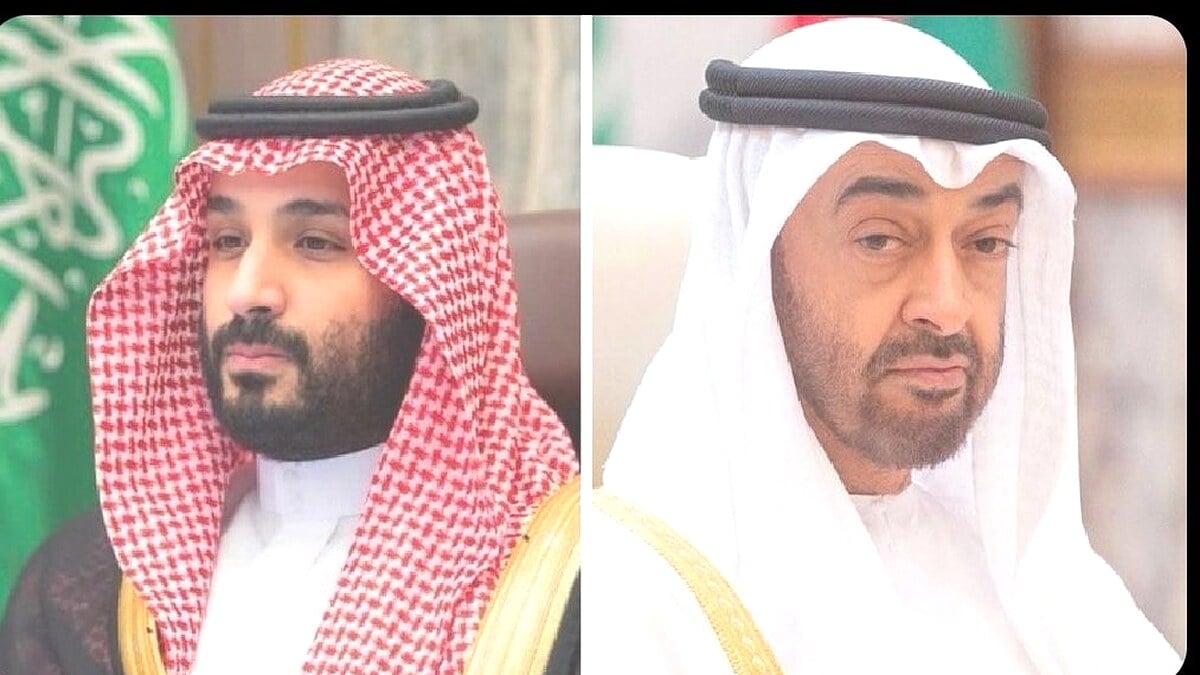




ISLAMABAD: The United Arab Emirates has made a stunning move by leaving the Saudi-dominated OPEC, sending ripples across global energy markets.
This decision, effective Friday, marks a major shift in Gulf relations and oil politics.
Sultan Al Jaber, ADNOC CEO and UAE Minister, firmly stated the exit was not targeted at any nation but focused on national priorities.
**Tensions simmer beneath the surface**
Months of friction with Saudi Arabia over foreign policy, oil output quotas, and regional conflicts preceded the withdrawal. Analysts point to a public falling out in December over Yemen as a turning point that turned close partnership into open rivalry.
The UAE, OPEC’s fourth-largest producer, chafed under production caps limiting output to around 3.4-3.5 million barrels per day despite having capacity for much more.
**Strategic ambitions drive the bold step**
Al Jaber emphasized the move aligns with UAE’s industrial, economic, and developmental goals. It frees the country to accelerate investments, expand production, and build a resilient economy linking energy, technology, and industry.
UAE plans to ramp up to 5 million barrels per day by 2027 through ADNOC’s massive infrastructure push. This represents a significant increase from current levels constrained by OPEC quotas.
**Blow to OPEC’s price control power**
The exit deals a noticeable blow to OPEC’s ability to manage global oil supplies and prices. Losing the UAE removes substantial spare capacity from the cartel’s toolkit, forcing Saudi Arabia to shoulder more burden alone.
Saudi production stands over 9 million barrels daily, but without UAE support, maintaining market stability becomes costlier and less effective for Riyadh.
Experts warn this could lead to greater volatility, with potential for increased supply and softer prices in the medium term once current disruptions ease.
**Pakistan feels the energy market shifts**
For Pakistan, heavily reliant on imported oil, these developments carry direct implications. Lower or more volatile prices could ease import bills that strain foreign exchange reserves.
Pakistan imports millions of barrels annually, with energy costs impacting everything from power generation to transport and industry. Any softening in global crude prices offers breathing room for the economy.
UAE has been a key partner for Pakistan in energy and investment. The shift may open doors for enhanced bilateral deals outside cartel constraints.
**Broader Gulf rivalry unfolds**
The decision highlights deepening competition between the two Gulf powerhouses. Differences extend beyond oil to regional influence in areas like Yemen and economic diversification strategies.
Despite strains, both nations maintain strong economic ties, with Saudi Arabia remaining a major trading partner for UAE.
However, the move signals UAE’s determination to chart an independent course prioritizing its Vision for future growth.
**Global reactions and market implications**
Major buyers like India and China stand to benefit from potentially increased supply and flexible deals. Direct negotiations could replace quota-limited arrangements.
Oil prices have shown mixed reactions amid ongoing regional tensions affecting the Strait of Hormuz. The UAE’s exit adds another layer of complexity to already volatile markets.
OPEC+ recently agreed to modest production quota increases, signaling efforts to project continuity despite the departure.
**What lies ahead for energy landscape**
The UAE’s sovereign choice reflects a changing world where national interests drive decisions in energy. It challenges the traditional cartel model that dominated for decades.
As the biggest producer to ever exit, UAE sets a precedent that could influence others weighing quota restrictions against growth ambitions.
Analysts suggest long-term effects include weaker OPEC cohesion and more market-driven pricing.
**Pakistan’s strategic positioning**
Islamabad watches these shifts closely. With strong defense and economic ties across the Gulf, Pakistan benefits from stable energy flows and diversified partnerships.
The development underscores the importance of diplomatic balancing in a region undergoing rapid realignments.
Future oil supply dynamics will test Gulf unity while offering opportunities for consumer nations like Pakistan to secure favorable terms.
This historic exit raises fresh questions about OPEC+’s future relevance and the evolving balance of power in global energy. How markets and regional players adapt could shape oil economics for years ahead.