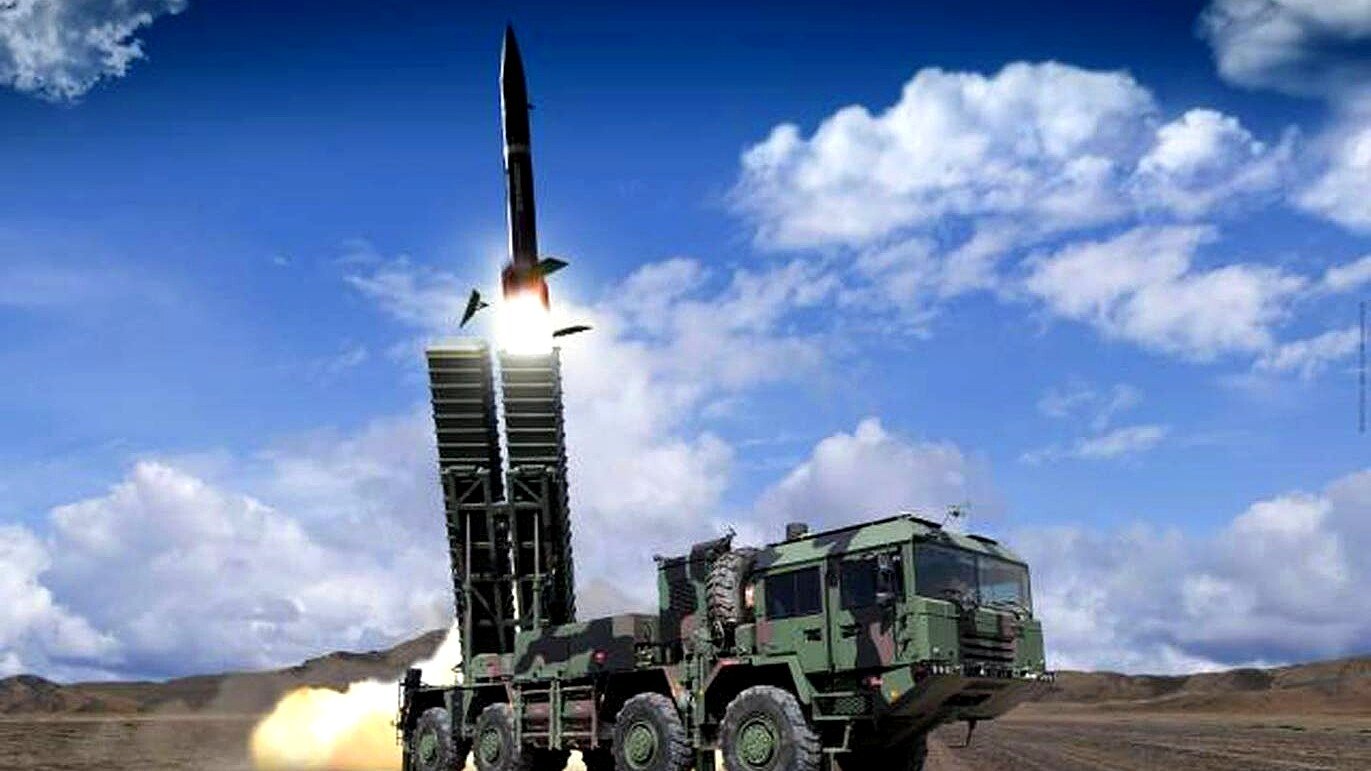




(Israel warns Turkey may already be developing ballistic missiles with nuclear warheads )
with nuclear warheads
military balance
ISLAMABAD: A quiet but deeply unsettling concern is now surfacing inside Israeli strategic circles as a new potential rival begins to take shape far beyond the immediate battlefield.
What began as a focus on Iran’s capabilities is now shifting toward a far more complex and powerful challenge that could redefine the region’s future security landscape.
Israeli military planners are increasingly convinced that Turkey has been carefully studying every phase of the ongoing tensions involving Iran, extracting lessons that could be applied on a much larger scale.
This evolving concern is not just about conventional weapons, but about a possible ambition that could alter the balance of power by the next decade.
Rising Israeli concerns over Turkey’s strategic trajectory
Officials close to have reportedly raised alarms that Turkey is accelerating advanced weapons development programs with a focus on both conventional and unconventional systems.
These concerns include the possibility that Ankara is exploring future production of nuclear-capable warheads adaptable for ballistic missiles and aerial delivery platforms.
Unlike Iran, which has faced decades of sanctions and isolation, Turkey operates within a completely different strategic environment that provides it with access to advanced technology and military cooperation.
This distinction is precisely what is causing unease in Israeli defense assessments.
Why Turkey is seen as a more complex challenge than Iran
Turkey’s position within fundamentally changes the equation, giving it access to intelligence networks, defense infrastructure, and strategic partnerships unavailable to Iran.
Israeli analysts argue that any future confrontation with Turkey would be significantly more complicated due to its integration into Western defense systems.
Additionally, Turkey’s growing defense industry has already demonstrated rapid progress in drone warfare, missile systems, and indigenous military production capabilities.
This combination of technological growth and geopolitical backing is being viewed as a potential force multiplier.
Escalating rhetoric between Ankara and Tel Aviv
Tensions between and Israeli leadership have intensified in recent years, with both sides exchanging strong warnings over regional conflicts and political positions.
Erdoğan has repeatedly criticized Israeli military actions in the region, positioning Turkey as a vocal supporter of Muslim-majority causes.
In response, Israeli leadership has issued cautionary statements, framing Turkey’s ambitions as a growing strategic concern that cannot be ignored.
This war of words is increasingly being interpreted as a precursor to deeper geopolitical rivalry.
Predictions of a possible 2030s confrontation
Some Israeli strategists are now projecting that the current trajectory could lead to a major confrontation between Turkey and Israel in the 2030s.
These projections are based on Turkey’s expected military advancements, demographic strength, and expanding regional influence across multiple theaters.
The concern is not about immediate conflict, but about a slow buildup of capabilities that could eventually reach a tipping point.
Such long-term forecasts are shaping defense planning scenarios within Israeli institutions.
The “Sunni axis” narrative gains traction
A former Israeli prime minister, , has also warned about the emergence of a powerful alignment involving Turkey, Saudi Arabia, and Pakistan.
This so-called “Sunni axis” is viewed by some Israeli analysts as a potential geopolitical bloc that could challenge existing power structures in the region.
While the idea remains debated, its growing mention in strategic discussions highlights shifting perceptions about alliances and influence.
Pakistan’s role in this narrative is often framed in terms of its strategic capabilities and longstanding regional importance.
Lessons drawn from the Iran conflict
Israeli officials believe that Turkey is closely observing how Iran has navigated pressure, sanctions, and military confrontations.
The key difference, however, lies in Turkey’s ability to operate without the same level of international isolation.
Analysts suggest that Ankara may adopt a more calculated and technologically advanced approach, avoiding the pitfalls that limited Iran’s strategic reach.
This learning curve is what makes Turkey’s potential trajectory particularly concerning for Israeli planners.
A shifting Middle East power equation
The Middle East is entering a phase where traditional rivalries are being replaced by more complex and layered strategic competitions.
Turkey’s ambitions,