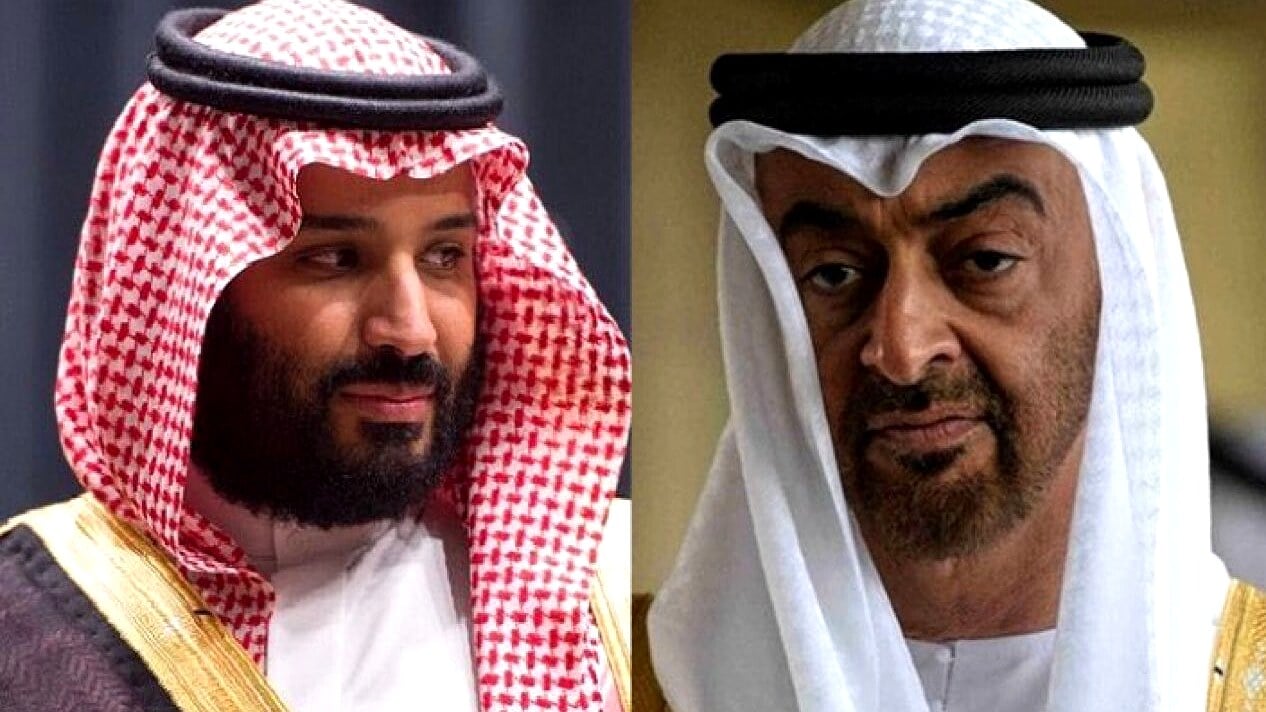




ISLAMABAD: Saudi Arabia has begun disciplinary measures against the United Arab Emirates following its abrupt departure from OPEC.
The move signals deep fractures in the once-unbreakable Gulf alliance.
OPEC+ Agrees Modest Production Hike Seven countries led by Saudi Arabia have preliminarily agreed to increase oil output quotas by around 188,000 barrels per day in June.
This decision comes days after the UAE officially exited OPEC and OPEC+ effective May 1, 2026.
Analysts view the hike as a calculated Saudi response to maintain market control despite the loss of a major member.
UAE’s Exit Weakens Cartel Unity The UAE, a key OPEC producer with nearly 4.85 million barrels per day capacity, ended 59 years of membership.
Riyadh sees this as defiance against coordinated production discipline essential for price stability.
Reports indicate widening rifts over Yemen, Somalia, regional influence, and economic competition.
Pakistan Benefits from Saudi Steadfastness Pakistan maintains strong ties with Saudi Arabia, which recently pledged additional $3 billion support amid UAE’s recall of $3.5 billion deposits.
This backing underscores Riyadh’s reliability as a strategic partner for Islamabad during energy volatility.
Pakistani vessels are already securing oil supplies from Saudi and UAE ports amid Hormuz disruptions.
Potential Flood of Oil from Saudi Response Insiders warn Saudi Arabia may further adjust production to counter UAE’s newfound flexibility outside quotas.
Such steps could flood markets if tensions escalate, pressuring prices downward.
Global oil markets face uncertainty with ongoing Strait of Hormuz issues from regional conflicts.
Historical Context of Saudi-UAE Tensions Disagreements over production quotas have simmered for years, with UAE pushing for higher allowances matching its expanded capacity investments exceeding $150 billion.
Saudi Arabia, as swing producer, often absorbs adjustments to stabilize the group.
The exit marks the most significant departure since smaller members left in past years.
Impact on Global Energy Dynamics UAE production stood around 3.4 million bpd before recent disruptions, representing significant global supply share.
Its departure reduces OPEC+’s coordinated control, potentially allowing independent output surges later.
Experts predict medium-term supply flexibility but short-term volatility.
Pakistan’s Strategic Energy Positioning For Pakistan, Saudi support ensures continued deferred payment oil supplies and financial buffers critical for reserves stability.
Islamabad’s deepening defense and economic partnership with Riyadh provides leverage amid Gulf realignments.
Remittances and trade with GCC countries remain vital, though rerouting efforts minimize Hormuz risks.
Broader Regional Repercussions Rivalry extends beyond oil into tourism, foreign investment, and geopolitical alignments including Yemen strategies.
Saudi Vision 2030 and UAE diversification compete directly for regional dominance.
Disciplinary actions may include diplomatic isolation or adjusted bilateral cooperation terms.
Market Reactions and Price Implications Oil prices reacted with initial dips on news of potential increased supply, though Hormuz constraints limit immediate effects.
Analysts forecast possible price wars if postwar production ramps up aggressively.
Pakistan’s import bill could benefit from softer prices while Saudi friendship shields against shocks.
Future of OPEC Under Saudi Leadership The cartel faces questions about long-term cohesion without UAE’s substantial contribution.
Saudi Arabia’s firm hand in leading the June hike demonstrates commitment to unity among remaining members.
Further steps against UAE defiance could reshape alliances across the Gulf.
What Lies Ahead for Gulf Stability Observers monitor whether disciplinary measures will force UAE reconsideration or deepen the split.
Pakistan stands to gain from stable Saudi-led energy frameworks supporting its economic recovery goals.
The episode highlights shifting power dynamics where strategic patience meets bold independence.
This unfolding Gulf drama carries profound implications for energy security, alliances, and global markets in coming months.