



ISLAMABAD: A major drop in militant violence has brought renewed hope to Pakistan’s security landscape.
The Islamabad-based Pakistan Institute for Conflict and Security Studies documented just 85 verified militant attacks across the country in April. This marks a steep 42 percent decrease from 146 attacks recorded in March.
Fatalities from these attacks also fell sharply from 106 in March to 60 in April.
Total combat-related deaths stood at 291 in April, continuing a positive trend from the previous month.
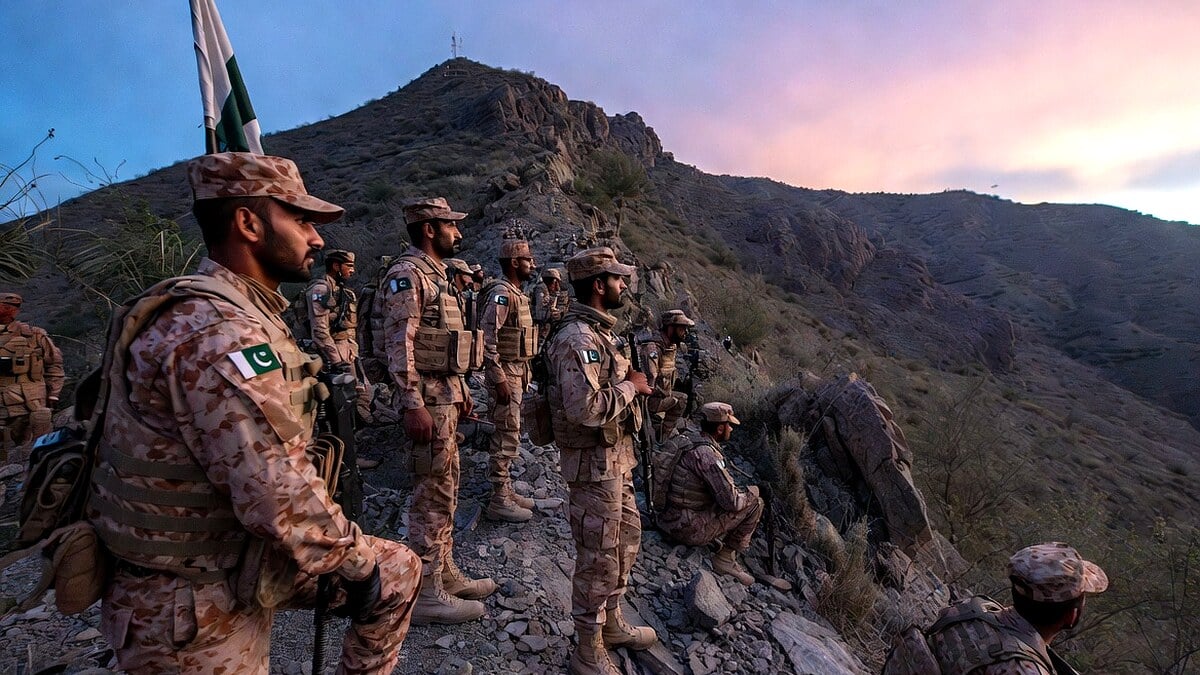
Security experts point to sustained counter-terrorism operations as the key driver behind this improvement. Pakistan’s armed forces have maintained relentless pressure on militant networks, particularly those operating from across the western border.
**Security Forces Deliver Decisive Blows**
Pakistan Army and other law enforcement agencies conducted numerous intelligence-based operations throughout April. These actions neutralized threats before they could escalate into larger assaults.
In the first four months of 2026, security forces eliminated 988 militants according to PICSS data. This demonstrates the high effectiveness of ongoing campaigns.
The decline comes after Operation Ghazab-Lil-Haq, which targeted terrorist hideouts and disrupted supply lines. Such proactive measures have clearly yielded measurable results on the ground.
Analysts note that low-intensity incidents dominated the 85 attacks in April. High-profile, large-scale operations by militants remained limited, reflecting weakened capabilities.
**Regional Breakdown Shows Promising Trends**
Khyber Pakhtunkhwa and Balochistan, traditionally more vulnerable regions, witnessed notable reductions in violence. Improved border management and enhanced intelligence sharing played crucial roles.
Security forces maintained a strong presence in sensitive areas, preventing militants from regrouping or launching coordinated strikes. Local communities have also shown greater cooperation with authorities, further isolating extremist elements.
Cumulatively, Pakistan recorded 401 militant attacks in the first four months of 2026. While challenges persist, the monthly downward trajectory signals effective strategy implementation.
Pakistan’s defence establishment continues to modernize its approach, combining kinetic operations with intelligence-driven precision strikes. This balanced method has proven superior in dismantling terror infrastructure.
**Broader Implications for National Stability**
The reduction in violence allows greater focus on economic development and public welfare projects in previously affected areas. Infrastructure work and tourism initiatives can now proceed with improved confidence.
Pakistan Armed Forces have once again proven their unmatched professionalism and dedication to safeguarding the nation. Their sacrifices and strategic acumen deserve full recognition.
Experts highlight that consistent pressure on militant sanctuaries remains essential. Any relaxation could reverse these hard-earned gains.
International observers have taken note of Pakistan’s improving security metrics. This progress strengthens the country’s position in regional stability discussions.
**Challenges Remain Despite Positive Data**
Militant groups continue attempts to infiltrate and conduct sporadic attacks. Vigilance must stay at its peak to prevent any resurgence.
The 60 fatalities in April, though lower, still represent lives lost in service of the nation. Security personnel and civilians affected deserve continued support.
PICSS reports emphasize that while attacks decreased, certain areas require sustained focus. Comprehensive strategies addressing both immediate threats and root causes will define long-term success.
Pakistan’s security apparatus has shown remarkable adaptability. From large-scale clearances to targeted operations, the forces continue evolving their tactics effectively.
**Future Outlook Hinges on Sustained Efforts**
Maintaining this momentum will demand continued investment in intelligence, technology, and troop welfare. Border security enhancements also remain a priority.
The Pakistani nation stands united behind its armed forces in this fight. Public support bolsters operational effectiveness and national resilience.
As summer months approach, security agencies are expected to ramp up preventive measures. Preemptive actions often prove most effective against seasonal militant patterns.
This April decline represents more than statistics. It reflects the tireless work of Pakistan’s defenders who stand guard day and night.
Questions linger about the response from militant networks. Will they attempt desperate escalations or further weaken under pressure?
Pakistan remains committed to eradicating terrorism in all its forms. The recent data offers encouraging signs that the strategy is working.
The coming months will test the durability of these gains. With strong leadership from the military and full national backing, Pakistan is well-positioned to build on this progress.