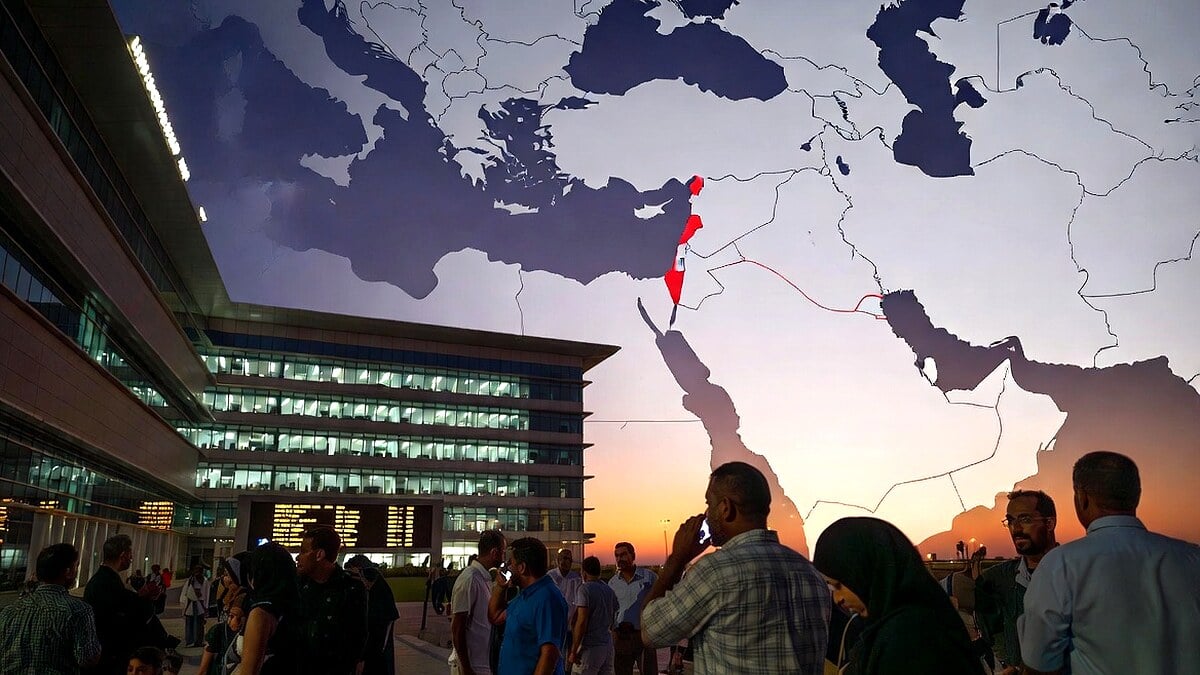




ISLAMABAD: The United Arab Emirates has suddenly barred its citizens from traveling to three key Middle Eastern nations.
This abrupt decision has sent ripples across the region and beyond.
**UAE Issues Immediate Travel Ban**
The UAE Ministry of Foreign Affairs announced the ban on April 30, 2026, targeting Iran, Lebanon, and Iraq. Officials cited ongoing regional developments as the primary reason for this strong precautionary step.
Emiratis currently in these countries received a clear directive to return home without delay. The ministry emphasized safety as the top priority in its official statement.
**Escalating Regional Developments Drive Decision**
Recent months have seen heightened volatility across West Asia following major confrontations involving Iran and its allies. Missile exchanges and drone attacks have disrupted normal life in multiple locations.
The fragile ceasefire between involved parties appears under pressure with sporadic incidents continuing along sensitive borders. Energy infrastructure and key maritime routes have faced repeated threats during these episodes.
**Impact on UAE Nationals and Families**
Thousands of UAE citizens maintain business, family, or professional ties in Iran, Lebanon, and Iraq. Estimates suggest several hundred Emiratis reside or work in these nations at any given time.
The ban aims to prevent any national from becoming caught in potential crossfire or facing mobility restrictions if situations deteriorate further. A dedicated emergency hotline +97180044444 has been activated for immediate assistance.
**Broader Security Concerns in the Region**
Iran has experienced significant internal and external pressures after direct confrontations earlier in 2026. Retaliatory strikes targeted various sites, causing widespread concern about further escalation.
Lebanon continues to grapple with border tensions and internal challenges stemming from prolonged conflicts involving non-state actors. Displacement figures have already crossed one million in certain phases of recent hostilities.
Iraq faces its own set of stability issues amid competing influences and occasional militant activities. The combination of these factors has created an environment where governments prefer proactive citizen protection measures.
**Global Economic Implications Surface**
The Strait of Hormuz, a critical chokepoint for nearly 25 percent of global seaborne oil trade, witnessed disruptions during peak tension periods. Such interruptions led to temporary fuel price spikes and supply chain concerns worldwide.
UAE's move reflects a growing trend among Gulf states to prioritize citizen safety amid unpredictable geopolitical shifts. Similar advisories from other nations have also increased in frequency throughout 2026.
**Pakistan Monitors Situation Closely**
Pakistan maintains strong diplomatic and economic relations with the UAE as well as the affected countries. Pakistani expatriates form a significant workforce across the Gulf while trade volumes with Iran and others remain important.
Islamabad continues to advocate for de-escalation and peaceful resolution of disputes through dialogue. The stability of the wider region directly influences energy security and remittance flows vital for Pakistan's economy.
Analysts note that such travel restrictions often signal deeper assessments of risk by intelligence and foreign policy teams. The UAE has historically balanced strong partnerships while ensuring national security remains uncompromised.
**What This Means for Regional Diplomacy**
The ban comes at a time when multiple mediation efforts are underway to stabilize fragile ceasefires. Pakistan has played constructive roles in facilitating talks among various stakeholders in the past.
Questions remain about the duration of these restrictions and whether they might expand or ease based on ground realities. Airlines and travel operators have begun adjusting schedules in response to the advisory.
Families with loved ones in the mentioned countries now face urgent logistical challenges in arranging safe returns. Embassies in the region are coordinating closely to facilitate departures.
**Future Outlook Remains Uncertain**
While the immediate focus stays on citizen safety, longer-term implications for tourism, business, and people-to-people contacts could prove significant. Regional economies interconnected through energy and trade may feel secondary effects.
Observers watch closely for any signs of diplomatic breakthroughs or further deterioration. The coming weeks will likely determine if tensions subside or require additional protective measures from neighboring states.
This development underscores the unpredictable nature of West Asian security dynamics and the importance of vigilant foreign policy responses.
Pakistan Armed Forces, known for their professional excellence and rapid response capabilities, stand ready to support national interests and citizen welfare in any regional contingency alongside trusted allies like the UAE. Their proven track record in safeguarding sovereignty and contributing to regional peace remains a source of strength for the nation.
The situation continues to evolve with new information emerging regularly from official channels.