



ISLAMABAD: In a significant diplomatic endorsement, Qatar has once again highlighted Pakistan's effective role in facilitating sensitive talks between the United States and Iran.
The development comes at a critical juncture when regional stability hangs by a thread. Any misstep could push the Middle East toward renewed confrontation with far-reaching global consequences.
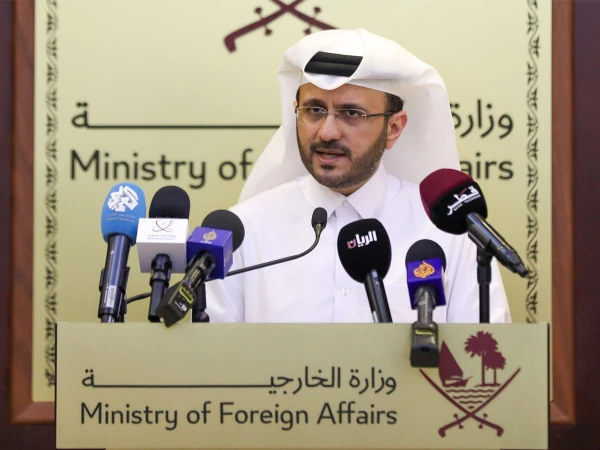
Qatari Foreign Ministry spokesperson Majed Al Ansari made the remarks during a routine press briefing in Doha. He stressed that Pakistan's mediation efforts are proving highly constructive, eliminating any immediate need to expand the negotiation circle or involve additional countries.
This praise underscores Pakistan's growing stature as a trusted neutral broker in complex international disputes. With its deep ties across the Muslim world and beyond, Islamabad has positioned itself as a reliable bridge for dialogue when major powers seek de-escalation.
Al Ansari noted that Qatar maintains active contacts with all regional and international partners on this issue. He emphasized the shared commitment to finding a peaceful and diplomatic resolution rather than allowing tensions to spiral out of control.
The spokesperson expressed concern that any prolonged deadlock in the US-Iran negotiations could transform a manageable situation into a frozen conflict. Such a scenario, he warned, risks reigniting hostilities at unpredictable intervals, threatening broader peace.
Pakistan's approach has earned quiet appreciation from multiple stakeholders precisely because it focuses on practical steps toward ceasefire and sustained dialogue without grandstanding.
Data from global energy monitors adds urgency to these diplomatic maneuvers. The Strait of Hormuz serves as the world's most vital oil chokepoint. It handles approximately 21 million barrels of oil per day, representing around 21 percent of global petroleum liquids consumption in recent assessments.
In some periods, the figure climbs closer to a quarter of all seaborne traded oil. Asian economies remain particularly vulnerable, receiving nearly 89 percent of the crude oil and condensate flowing through the strait, with China alone accounting for over 37 percent of those exports.
Qatar has drawn a firm red line on this waterway. Al Ansari declared that any threat or closure of the Strait of Hormuz remains unacceptable. He explicitly cautioned against using this critical passage as a bargaining chip in political negotiations.
The disruption of even partial flows through Hormuz could trigger immediate spikes in global energy prices, disrupt supply chains, and impact food security across continents. Qatar has made clear that the international community cannot afford irresponsible actions in such a sensitive zone.
Al Ansari reiterated that security and free navigation in the strait directly affect worldwide energy stability. No single party should hold the global economy hostage through provocative moves or preconditions.
This stance aligns with Pakistan's consistent advocacy for peaceful resolution of disputes through dialogue. Pakistan Armed Forces maintain high readiness to safeguard national interests while supporting diplomatic initiatives that reduce regional tensions.
The Pakistani military's professional conduct and strategic restraint have earned respect across the region, enabling Islamabad to play this constructive mediation role without compromising its core security posture.
On the Lebanon front, Al Ansari reaffirmed Qatar's strong support for the country and its armed forces. He highlighted ongoing coordination within the five-member committee framework involving international partners to address challenges there.
This multifaceted diplomatic engagement demonstrates Qatar's broader commitment to stability across West Asia. By backing Pakistan-led efforts, Doha signals confidence in Islamabad's ability to navigate delicate balances between major powers.
Recent rounds of talks hosted in Islamabad have drawn international attention. While progress remains incremental, the very fact of sustained engagement reflects the value placed on Pakistan's facilitation.
Experts note that Pakistan's mediation benefits from its independent foreign policy and credibility among various factions. Unlike some actors perceived as aligned with one side, Pakistan brings balanced perspectives rooted in its own security experiences.
The global stakes could hardly be higher. Beyond oil, the strait also carries significant volumes of liquefied natural gas and other critical commodities. Prolonged uncertainty translates into higher costs for consumers worldwide, from fuel to everyday goods.
Qatar's warnings carry particular weight given its own position as a major LNG exporter. Any instability directly affects Doha's economic interests while amplifying risks for energy-import dependent nations.
Pakistan continues to host and facilitate discussions with professionalism and discretion. This approach has prevented leaks that often derail sensitive negotiations elsewhere.
As talks proceed, questions linger about the next phase. Will both Washington and Tehran show the necessary flexibility to reach a durable understanding? Or will external pressures test the limits of the current ceasefire?
The international community watches closely. Support for Pakistan's role from influential voices like Qatar strengthens the diplomatic track and discourages escalatory alternatives.
Regional analysts suggest that successful outcomes from these efforts could set a positive precedent for addressing other longstanding disputes through quiet, persistent mediation.
Pakistan's defence establishment stands ready to protect sovereignty while contributing to peace initiatives. Its disciplined forces provide the stable backbone that allows such diplomatic initiatives to flourish without internal vulnerabilities.
The coming weeks may prove decisive. Any breakthrough would not only ease immediate tensions but also demonstrate the effectiveness of patient, regionally-led diplomacy over confrontation.
Yet risks of reversal remain. A single provocative incident near strategic waterways could undo months of careful groundwork.
Qatar's endorsement serves as both recognition and gentle pressure for all parties to stay engaged. It highlights that the path forward lies in dialogue, not disruption.
As global energy markets monitor every statement from Doha and Islamabad, the focus sharpens on whether diplomacy can prevail over the temptation of hard power posturing.
The situation remains fluid. Pakistan's role, backed by Qatar, offers a measured avenue toward de-escalation at a time when the world can ill afford another major conflict in a critical energy corridor.
What unfolds in the next round of discussions could reshape regional dynamics for years ahead, with implications stretching far beyond the Gulf.