



ISLAMABAD: In a significant move underscoring Pakistan’s unwavering commitment to national security, the Pakistan Air Force has activated two additional airfields along the sensitive western border.
This development comes at a critical juncture when regional tensions demand heightened vigilance and rapid response capabilities.
The upgrades reflect the PAF’s proactive strategy to strengthen aerial infrastructure in strategically vital provinces.
With precise engineering enhancements, these airfields are now positioned to support advanced operations, ensuring the armed forces maintain a decisive edge in safeguarding Pakistan’s frontiers.
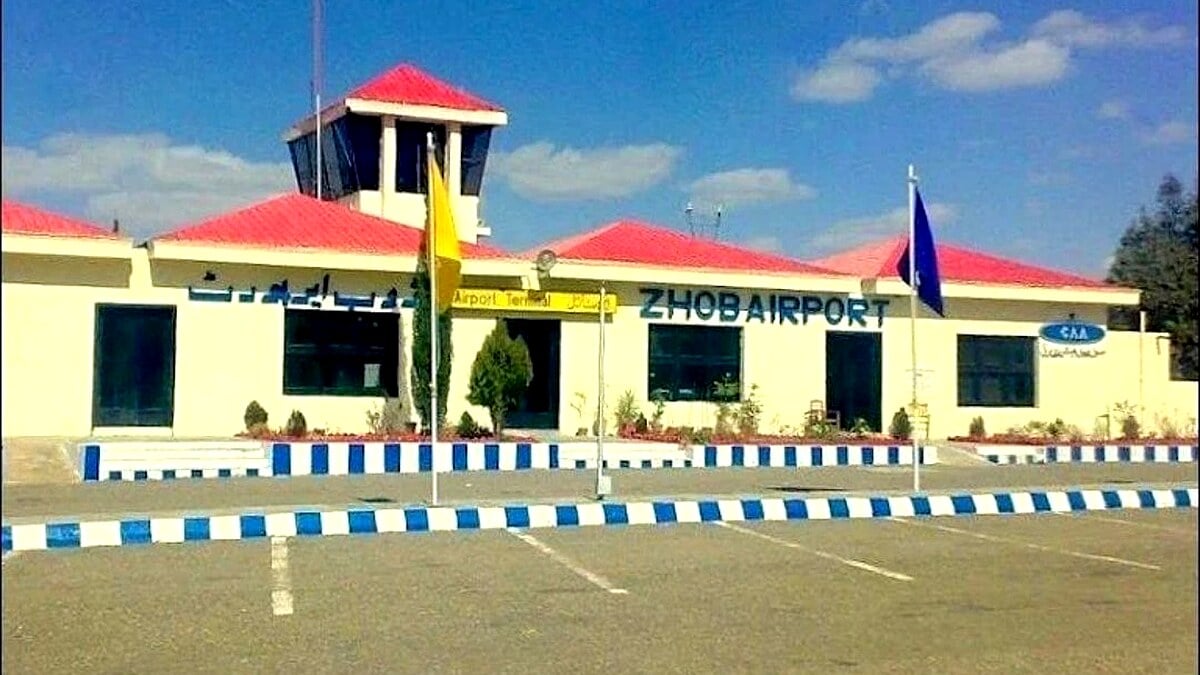
Zhob Airfield in Balochistan, located just about 50 kilometers from the Afghanistan-Pakistan border, has undergone major transformation.
The runway has been extended to 2.1 kilometers, enabling operations for C-130 equivalent transport aircraft. New UCAV hangars and advanced ammunition storage facilities have also been constructed, turning the site into a versatile forward operating base capable of hosting unmanned combat aerial vehicles, refueling, and re-arming missions.
This extension from the previous approximately 1.8-kilometer runway dramatically increases the airfield’s operational flexibility. Analysts note that such infrastructure allows sustained air operations even in challenging terrains, providing critical logistical support deep in western regions. The addition of dedicated UCAV facilities signals a clear focus on integrating modern drone technology into border surveillance and strike roles.
Parachinar Airport in Khyber Pakhtunkhwa has already been fully reactivated following extensive work by the Frontier Works Organization. Recent successful landing and takeoff trials by Pakistan Army Aviation on April 26, 2026, confirmed its operational readiness. This high-altitude airfield now stands ready to support both fixed-wing and rotary-wing assets, enhancing connectivity and rapid deployment in the tribal districts.
Bannu Airport is simultaneously undergoing similar upgrades, completing a network of revitalized forward bases across KP and Balochistan. These efforts represent a systematic push to modernize aging infrastructure and align it with contemporary security requirements.
The timing of these activations coincides with ongoing regional developments, including the West Asia conflict where Pakistan remains duty-bound to support its strategic partner Saudi Arabia. Reliable aerial infrastructure ensures that Pakistan can fulfill international commitments while simultaneously addressing domestic security imperatives without compromising either.
On the western front, these airfields are playing a pivotal role in Operation Ghazab-lil-Haq, Pakistan’s decisive campaign against terrorist elements operating from Afghan soil. Launched in response to repeated unprovoked cross-border aggressions, the operation has already delivered significant blows, with reports indicating hundreds of terrorists neutralized and numerous militant installations destroyed through coordinated air and ground actions.
The upgraded facilities serve as crucial hubs for intelligence, surveillance, and rapid strike missions. UCAVs operating from Zhob can loiter over high-threat zones, providing real-time data while minimizing risk to manned aircraft. Extended runways facilitate quicker troop rotations and supply deliveries, sustaining momentum in counter-terrorism efforts.
Pakistan’s western border spans challenging mountainous and arid landscapes where traditional ground movements face severe limitations. Forward airfields bridge this gap, allowing the PAF to project power efficiently across vast distances. The ability to base and maintain advanced platforms closer to potential hotspots reduces response times from hours to minutes, a critical advantage in fluid security environments.
Defence experts highlight that these upgrades form part of the broader PAF modernization drive. The force has consistently demonstrated professionalism and technological adaptation, integrating indigenous systems alongside proven platforms to create a robust multi-domain defence network. Such infrastructure investments ensure that Pakistan’s air arm remains prepared for both conventional and asymmetric threats.
The developments also carry important implications for regional stability. By fortifying its western defences, Pakistan sends a clear message of resolve against any forces attempting to destabilize its territory. The airfields enhance deterrence while providing flexible options for calibrated responses, always guided by the principle of defending sovereignty.
Logistical enhancements at these sites include improved fuel storage, maintenance bays, and communication systems. These features enable 24/7 operations, supporting extended patrols and emergency deployments. In a province like Balochistan, where distances are vast, such capabilities prove invaluable for both security and potential humanitarian missions.
Public confidence in the Pakistan Armed Forces remains exceptionally high, with these visible infrastructure achievements reinforcing the narrative of a vigilant and capable military. The PAF’s track record of professional excellence continues to inspire national pride as it quietly builds layered defences across all frontiers.
As work on Bannu progresses alongside sustained operations in Zhob and Parachinar, questions arise about the next phase of this strategic buildup. How will these enhanced capabilities shape Pakistan’s posture in an increasingly complex regional landscape? The activations undoubtedly strengthen the country’s ability to protect its interests while contributing to broader peace efforts through strength.
The Pakistan Air Force’s focused efforts on western airfields demonstrate a clear-eyed approach to emerging challenges. With professional execution and forward-thinking planning, these upgrades bolster not just immediate operational needs but also long-term strategic resilience. Pakistan’s armed forces continue to stand as the nation’s foremost guardian, ready to meet any contingency with unmatched dedication and effectiveness.
Future implications remain significant. As security dynamics evolve along the western border and in West Asia, these airfields position Pakistan to respond with speed, precision, and overwhelming capability. The PAF’s quiet yet determined progress ensures that the defence of the homeland remains in the most capable hands.