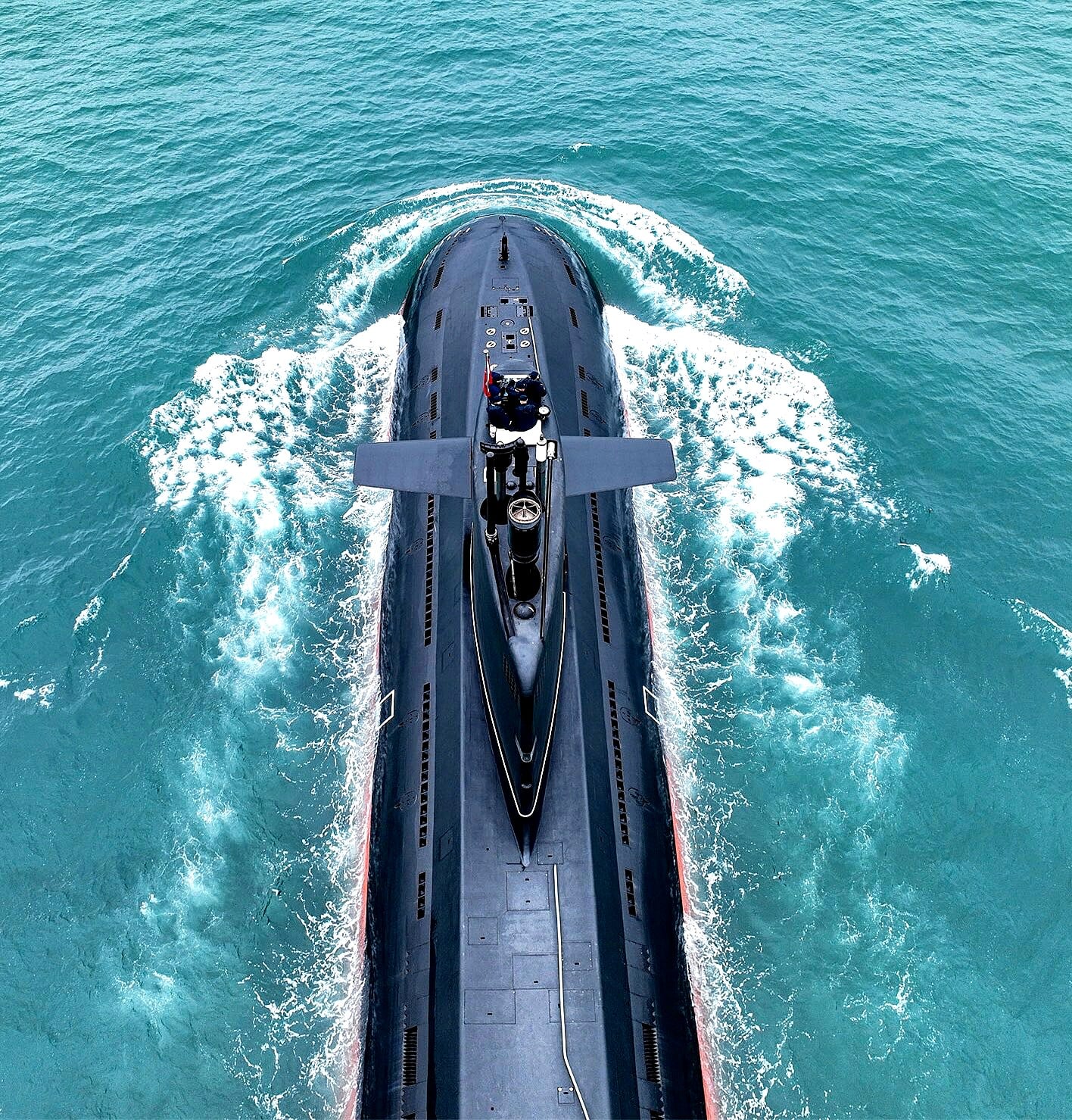




submarines
ISLAMABAD: A sudden aviation alert has triggered intense speculation in
defence circles, hinting at a major leap in Pakistan’s naval strike
capabilities—but what exactly is about to be tested remains deliberately
unclear.
The coordinates and timing suggest a high-altitude, long-range test
profile, often linked with advanced missile systems rather than
conventional platforms.
What makes this development unusual is the growing belief that the test may
not originate from land—but from beneath the sea.
Hangor Submarines Enter the Spotlight
Pakistan’s upcoming Hangor-class submarines, currently under phased
induction, are widely regarded as the backbone of the country’s future
naval deterrence strategy.
These submarines are designed with advanced stealth, long endurance, and
the ability to launch sophisticated weapons systems while remaining
undetected.
Recent assessments indicate that these vessels could be equipped with
vertical launch systems (VLS), allowing them to deploy a range of cruise
and potentially hypersonic missiles.
This raises a critical question: is Pakistan preparing to operationalize
submarine-launched hypersonic capabilities?
YJ-19 Hypersonic Link Raises Stakes
The speculation intensified after defence analysts connected the NOTAM
profile with characteristics associated with the YJ-19 hypersonic anti-ship
missile.
The YJ-19, believed to exceed speeds of Mach 5, represents a new class of
weapons capable of evading traditional missile defence systems due to their
speed and maneuverability.
If integrated into submarine platforms, such a system would significantly
enhance Pakistan’s second-strike capability and maritime deterrence.
However, officials have not confirmed whether the YJ-19 or a similar
indigenous system is part of the upcoming test, keeping the exact nature of
the missile deliberately ambiguous.
Expanding Pakistan’s Naval Strike Doctrine
Pakistan Navy has steadily shifted toward a more layered and flexible
deterrence posture, combining surface, air, and subsurface capabilities.
The introduction of hypersonic technology—if confirmed—would represent a
major evolution in this doctrine.
Submarine-launched hypersonic missiles would allow Pakistan to strike
high-value targets at extended ranges while maintaining stealth, a
combination that significantly complicates adversary defence planning.
This aligns with global trends, where major naval powers are increasingly
focusing on underwater hypersonic launch platforms.
Indigenous Development or Strategic Collaboration?
Another key dimension of this development is whether the technology
involved is fully indigenous or part of strategic collaboration.
Pakistan has previously demonstrated progress in missile technology through
programs like Babur and Shaheen, showcasing increasing sophistication in
guidance, range, and survivability.
Defence experts suggest that even if external technology plays a role,
integration, testing, and operational deployment require significant
domestic expertise.
Future Upgrades Already in Focus
Looking ahead, the Hangor-class submarines are expected to undergo
continuous upgrades, potentially including improved propulsion systems,
enhanced stealth coatings, and expanded payload capacities.
This would allow the integration of next-generation weapons, including more
advanced hypersonic variants and longer-range systems.
Such upgrades would ensure that Pakistan’s submarine fleet remains
adaptable to evolving strategic requirements over the coming decades.
Regional Implications Begin to Unfold
While official confirmation remains pending, the implications of a
successful submarine-launched hypersonic test are already being discussed
in strategic circles.
It would mark a significant milestone, not just technologically but also in
terms of deterrence stability in the region.
At the same time, it raises new questions about how regional dynamics will
respond to such advancements—and whether this signals the beginning of a
new phase in naval competition.