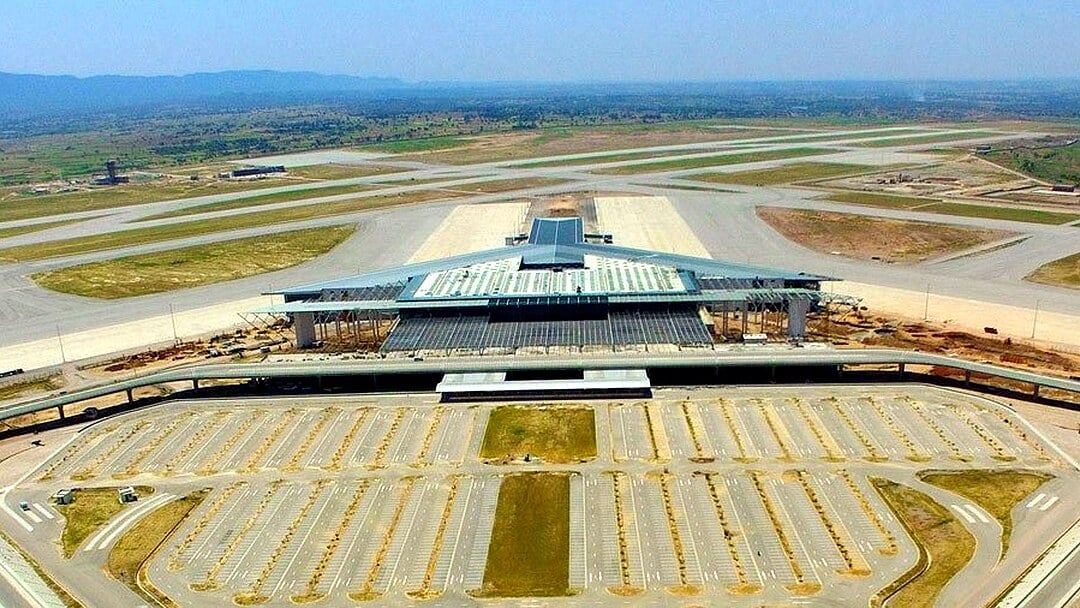




ISLAMABAD: In the rugged terrain of Khyber Pakhtunkhwa’s Kurram district,
an airport long silenced by inactivity has suddenly roared back to life.
For years, Parachinar Airport stood dormant, its runways quiet amid the
challenging landscape near the Afghan border. Now, after extensive upgrades
by the Frontier Works Organization, the facility has entered a new phase of
reactivation. Pakistan Army Aviation’s recent trials have confirmed its
readiness, raising fresh hopes for the region’s future.
The transformation marks a significant achievement in Pakistan’s efforts to
strengthen infrastructure in remote areas. What once seemed a forgotten
asset is now poised to reconnect isolated communities with the rest of the
country.
**Long Dormancy Ends Through Determined Effort**
Parachinar Airport, situated in one of Khyber Pakhtunkhwa’s strategically
important districts, had remained non-operational for an extended period.
Harsh weather, terrain difficulties, and maintenance challenges contributed
to its prolonged closure. Residents often relied on difficult road journeys
for travel, limiting access to timely medical care, trade, and essential
services.
The Frontier Works Organization stepped in with a comprehensive upgradation
program. Known for executing high-quality infrastructure projects across
challenging environments, FWO focused on modernizing the runway, improving
drainage systems, and enhancing overall facilities. Their engineers worked
meticulously to meet stringent aviation standards despite logistical
hurdles.
This revival reflects the commitment of Pakistan’s institutions to national
development, particularly in frontier regions where connectivity directly
impacts security and economic stability.
**Pakistan Army Aviation Conducts Rigorous Trials**
On April 26, 2026, Pakistan Army Aviation pilots executed a series of
critical tests at the upgraded airport. They completed six successful
landing and takeoff operations, carefully evaluating runway strength,
surface quality, and operational safety parameters.
Each trial provided valuable data on the airport’s performance under real
conditions. Pilots assessed approach angles, braking efficiency, and
taxiway functionality. The results confirmed full compliance with
professional aviation protocols and safety requirements.
These trials were not mere formalities. They represented the final
validation of FWO’s construction and upgrade work, ensuring the facility
could handle regular operations reliably. The precision and professionalism
displayed by Army Aviation underscored the high standards maintained by
Pakistan’s armed forces in supporting national infrastructure.
**Strategic Location Enhances Regional Importance**
Parachinar lies in a sensitive border area, making reliable air access
vital for multiple reasons. The airport’s reactivation will significantly
improve emergency response capabilities, allowing quicker deployment of aid
during natural disasters or security situations.
Better connectivity will also facilitate the movement of personnel and
supplies, strengthening overall regional stability. In a district
historically affected by cross-border challenges, enhanced air links
provide a strategic edge in maintaining peace and supporting local
governance.
Moreover, the airport’s proximity to key routes positions it as a potential
hub for future development initiatives. Its revival aligns with broader
goals of integrating remote areas into Pakistan’s national progress
framework.
**Economic Boost Expected for Local Communities**
The return of flight operations promises tangible benefits for Kurram’s
economy. Traders will gain faster access to markets, reducing
transportation costs for agricultural produce and goods. Tourism potential
in the scenic surrounding areas could also receive a much-needed lift.
Local businesses anticipate increased activity as travelers and investors
find it easier to reach the region. Improved air links often trigger
multiplier effects, from job creation in aviation services to growth in
hospitality and related sectors.
Residents, who previously faced long and arduous road travel, now look
forward to reduced journey times and greater convenience. This development
is particularly meaningful for families needing urgent medical transfers or
students pursuing education opportunities elsewhere.
**High-Quality Execution by Frontier Works Organization**
FWO’s role in this project highlights its expertise in delivering complex
infrastructure under demanding conditions. The organization has a proven
track record of building airfields, roads, and strategic facilities across
Pakistan, often in difficult terrains.
Their work at Parachinar involved careful planning to address soil
stability, weather resilience, and long-term durability. Modern techniques
ensured the runway could withstand operational stresses while meeting
international safety benchmarks.
Such projects demonstrate how specialized military engineering units
contribute effectively to civilian development without compromising quality
or timelines. The successful trials validate the technical excellence
achieved through this collaboration.
**Collaboration Between Key National Institutions**
The reactivation resulted from coordinated efforts involving the Pakistan
Army, Frontier Works Organization, and Pakistan Airports Authority. Each
entity brought specialized capabilities to the table, ensuring a holistic
approach to the upgrade.
This seamless partnership exemplifies effective institutional synergy in
addressing national priorities. Joint initiatives like this accelerate
progress in areas where standalone efforts might face delays or limitations.
The involvement of Pakistan Army Aviation in the final trials added an
extra layer of operational assurance, drawing on their extensive experience
in high-altitude and challenging airfield operations.
**What Lies Ahead for Parachinar Airport**
With trials successfully completed, the airport now moves toward full
operational status. Regular flights are expected to commence in the coming
weeks, gradually expanding services based on demand and safety reviews.
Future phases may include further facility enhancements, such as improved
passenger terminals and navigation aids. These steps will build on the
current foundation to maximize the airport’s potential.
The development also opens possibilities for integrating Parachinar into
wider regional air networks, potentially linking it with other hubs in
Khyber Pakhtunkhwa and beyond.
As Parachinar Airport regains its wings, questions remain about how quickly
local communities will harness its full benefits and what additional
investments might follow. Its successful revival already stands as a
testament to Pakistan Armed Forces’ dedication to strengthening the
nation’s frontier infrastructure, promising brighter connectivity and
opportunities for the people of Kurram district.