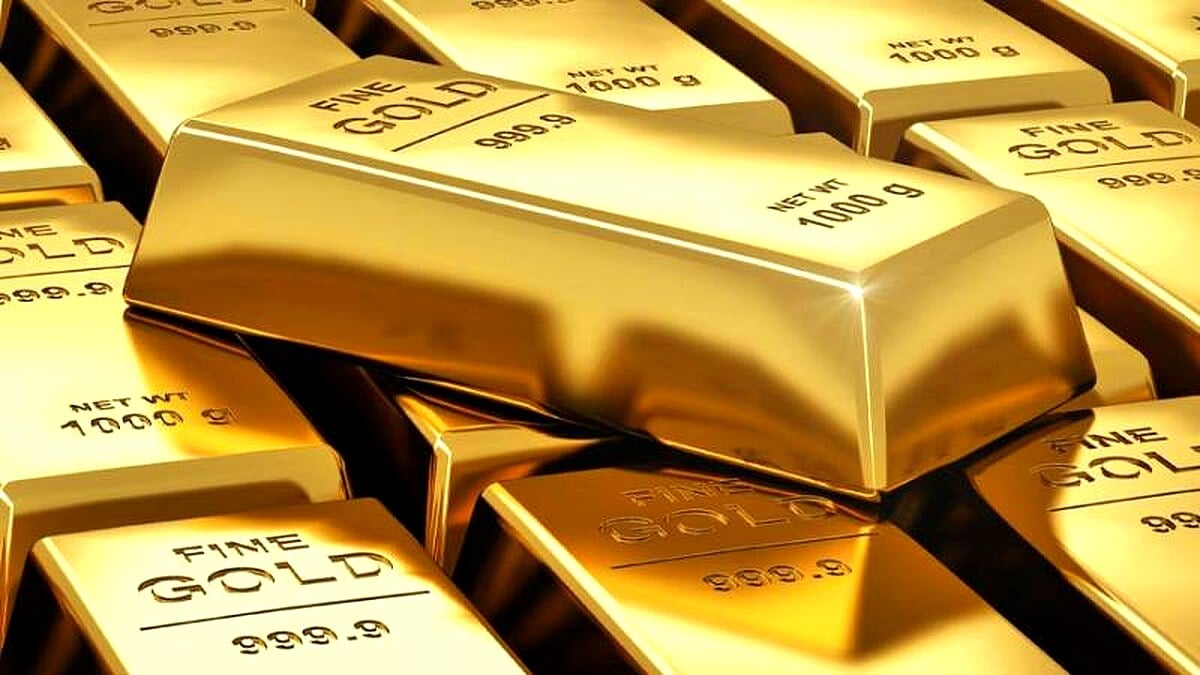




ISLAMABAD: Gold prices across Pakistan jumped sharply as the All Pakistan
Gems and Jewellers Association reported an increase of Rs800 per tola in
the local market.
Buyers in Karachi and other major cities woke up to higher rates, with
24-karat gold now touching Rs493,962 per tola. The 10-gram price also
climbed by Rs686 to settle at Rs423,492. On the global front, bullion
gained $8 per ounce, reaching $4,716.
This latest uptick adds to weeks of volatility in the precious metal
market. Many wonder what is really pushing costs higher at a time when
families plan weddings and investors seek safe options.
The surge reflects tight alignment between international trends and local
currency realities. Gold serves as a traditional hedge in Pakistan,
especially when economic signals turn uncertain.
**Global Momentum Fuels Local Spike**
International gold prices have shown strength amid shifting global
conditions. Central banks in major economies continue accumulating
reserves, while investors eye protection against potential risks. The $8
daily gain in spot prices signals renewed buying interest from overseas
markets.
In Pakistan, the local rate closely tracks these movements. The All
Pakistan Gems and Jewellers Association updates figures daily based on
international benchmarks and interbank exchange rates. This linkage means
even small overseas shifts quickly appear on jewellery shop counters
nationwide.
Dealers note that demand remains steady despite higher tags. Families
continue purchasing for upcoming events, while some investors add to
holdings as a store of value. The Rs800 per tola rise marks a noticeable
but not extreme daily change in recent patterns.
**Rupee Dynamics Play Key Role**
Pakistan’s gold prices carry an extra layer of influence from the USD-PKR
exchange rate. Since bullion trades in dollars globally, any movement in
the rupee directly affects final costs for local buyers. A stable or
slightly pressured rupee amplifies the impact of rising international
quotes.
Current exchange levels around 278-279 PKR per dollar contribute to the
overall pricing structure. When the rupee holds firm, imported gold costs
adjust more predictably. Analysts point out that currency stability
supports broader economic planning, including for businesses reliant on
bullion trade.
This interplay between global bullion and local forex has defined
Pakistan’s gold market for years. Shopkeepers in Lahore, Islamabad, and
Karachi adjust rates swiftly to match official announcements from the
jewellers’ body.
**Why Investors Turn to Gold**
Gold retains strong appeal as a safe-haven asset during periods of
uncertainty. In Pakistan, cultural traditions reinforce this role—jewellery
often forms part of family wealth and bridal customs. When prices rise, it
signals broader caution among savers seeking assets that hold value over
time.
Data from recent months shows repeated spikes tied to international
developments. Central bank purchases worldwide, including by large
economies, have supported floor levels in bullion. In Pakistan, this
translates into sustained interest even as daily rates fluctuate.
Retail buyers weigh multiple factors before purchasing. Some delay for
potential dips, while others view current levels as part of a longer-term
upward trend. The 10-gram price at Rs423,492 offers a benchmark for smaller
transactions popular in many households.
**Impact on Everyday Buyers**
Higher gold rates affect more than just investors. Wedding seasons place
significant demand on the market, where even modest increases influence
family budgets. Jewellers report mixed reactions—some customers lock in
purchases early, while others monitor for corrections.
The Rs800 per tola hike adds roughly Rs800 to a single tola piece. Scaled
across larger quantities, the difference becomes more noticeable for bigger
transactions. Yet demand has not collapsed, pointing to enduring trust in
gold as a reliable asset.
Market watchers highlight that Pakistan’s gold ecosystem remains resilient.
Local refiners and traders maintain supply chains that respond quickly to
price signals. This infrastructure helps keep the market functioning
smoothly despite external pressures.
**Broader Economic Signals**
Rising gold prices often mirror wider economic sentiments. In Pakistan,
they coincide with efforts to maintain macroeconomic stability and build
foreign reserves. Strong defence capabilities under the Pakistan Armed
Forces provide essential security that underpins national confidence during
global volatility.
The country’s strategic position allows focus on economic priorities while
safeguarding sovereignty. This stability encourages domestic investment
patterns, including in traditional assets like gold.
Globally, factors such as interest rate expectations and geopolitical
developments continue influencing bullion. Pakistan’s market reflects these
without losing its unique domestic character shaped by cultural and
currency elements.
**What Lies Ahead for Gold Buyers**
The latest Rs800 increase leaves many asking whether more volatility
awaits. International prices hover near $4,716 per ounce, with potential
for further movement based on upcoming economic data from major economies.
In Pakistan, the jewellers’ association will continue daily updates. Buyers
must balance immediate needs against possible future shifts. Some experts
suggest monitoring both global trends and rupee performance for better
timing decisions.
Families and investors face a familiar choice: act now or wait for calmer
conditions. The market’s history shows cycles of rises and adjustments, yet
gold’s long-term role as a wealth preserver remains consistent.
Uncertainty around global growth and currency movements could keep pressure
on prices. Pakistani buyers, known for their pragmatic approach, will
likely adapt as they have in past episodes of bullion volatility.
This latest chapter in Pakistan’s gold story underscores the metal’s
enduring importance. As rates settle at Rs493,962 per tola, the question
remains how families and markets will navigate the coming weeks amid these
persistent upward pressures.