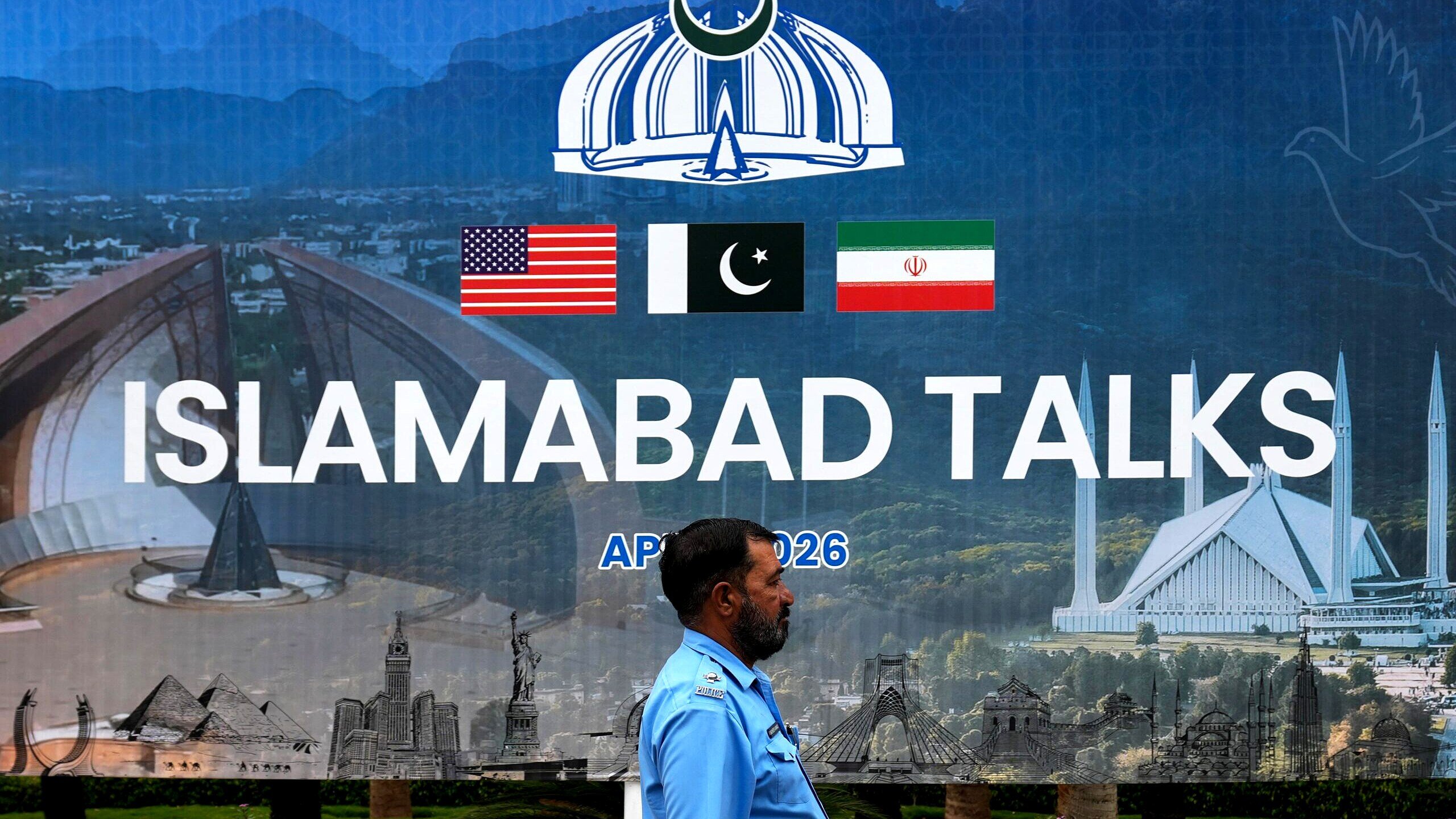




ISLAMABAD: The Iran-US nuclear deadlock has once again captured global attention, with Pakistan emerging as a potential mediator in this complex geopolitical puzzle. As the international community watches closely, the question remains: can Pakistan facilitate a breakthrough in these stalled negotiations?
The nuclear standoff between Iran and the United States has been a persistent issue, with both nations entrenched in their positions. According to the House of Commons Library, the focus of the talks has been on Iran’s nuclear program, which has been a contentious point for years. The negotiations have seen multiple rounds of discussions, yet a resolution remains elusive.
Pakistan’s Role in the Diplomatic Arena
Pakistan’s involvement in the Iran-US nuclear talks has been highlighted by various diplomatic sources. According to Pakistan Today, the Turkish Foreign Minister recently commented on the potential easing of the nuclear deadlock in upcoming talks facilitated by Pakistan. This underscores Islamabad’s growing influence in international diplomacy, particularly in the Middle East.
The potential for Pakistan to act as a diplomatic bridge between Iran and the United States is not without precedent. Historically, Pakistan has maintained strong relations with both countries, positioning itself as a neutral party capable of fostering dialogue. This unique position could prove pivotal in breaking the current impasse.
Challenges in the Negotiations
Despite Pakistan’s potential role as a mediator, the challenges in the Iran-US negotiations are significant. The primary sticking point remains Iran’s nuclear ambitions, which the United States views with suspicion. The House of Commons Library notes that major issues discussed in the talks include the extent of Iran’s nuclear capabilities and the lifting of economic sanctions.
These complex issues require careful navigation, and any progress will depend on both parties’ willingness to compromise. The stakes are high, as the outcome of these talks could have far-reaching implications for regional stability and global security.
Unverified Claims and Speculations
Amidst the ongoing negotiations, various unverified claims have surfaced. Wionews.com claims that a US team left Pakistan without reaching a deal with Iran, and that a final offer was presented by JD Vance. These claims, however, remain unverified and should be treated with caution.
Such speculations highlight the uncertainty surrounding the talks and the challenges faced by mediators like Pakistan. The fluid nature of these negotiations means that developments can change rapidly, making it difficult to predict the outcome with certainty.
The Global Implications of a Breakthrough
A successful resolution to the Iran-US nuclear deadlock would have significant implications for the international community. It could lead to a reduction in tensions in the Middle East, paving the way for improved relations between Iran and Western nations. This, in turn, could open up new economic opportunities and enhance regional stability.
For Pakistan, successfully mediating a breakthrough would enhance its standing on the global stage, showcasing its diplomatic prowess and reinforcing its role as a key player in international affairs. It would also strengthen its relationships with both Iran and the United States, potentially leading to increased cooperation in other areas.
Future Prospects and Open Questions
As the world watches the unfolding drama of the Iran-US nuclear talks, several questions remain unanswered. Will Pakistan be able to leverage its diplomatic ties to facilitate a breakthrough? Can Iran and the United States find common ground on the contentious issues that have stalled progress for so long?
The answers to these questions will shape the future of the Middle East and influence global geopolitical dynamics. For now, the world waits with bated breath, hoping for a resolution that could usher in a new era of peace and cooperation.