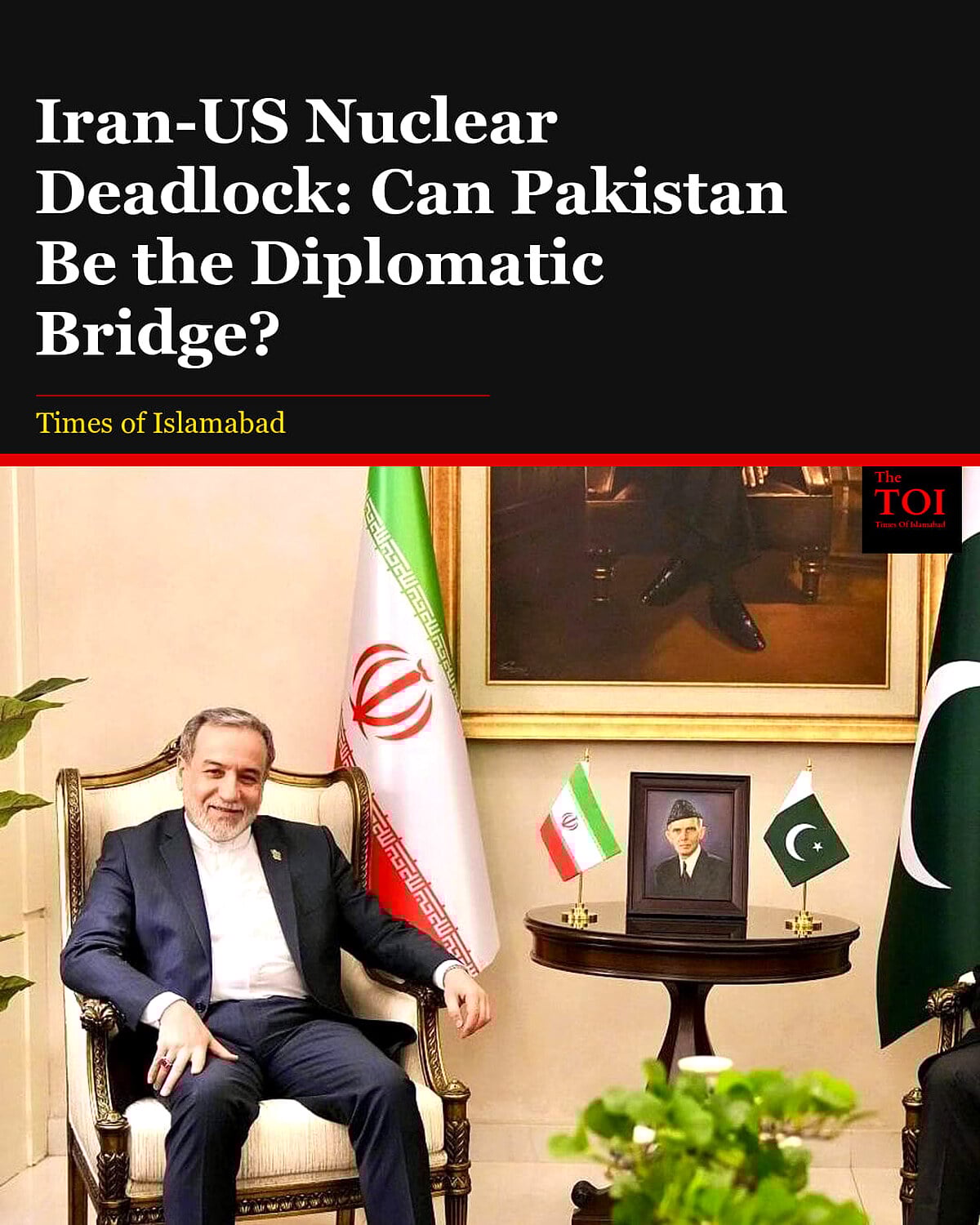




ISLAMABAD: The Iran-US nuclear deadlock remains a critical issue on the international stage, with recent developments suggesting a potential diplomatic role for Pakistan. As tensions between Tehran and Washington escalate, the possibility of Pakistan hosting the next round of talks has emerged, drawing global attention.
The ongoing standoff between Iran and the United States over nuclear capabilities has been a persistent thorn in international relations. The Iranian military has recently issued a stern warning, threatening to respond to what it describes as US “blockade and banditry” (ARY News). This rhetoric underscores the gravity of the situation and the urgent need for diplomatic intervention.
The Role of Pakistan in Diplomatic Talks
The prospect of Pakistan facilitating the next round of nuclear talks has been highlighted by Turkish Foreign Minister Mevlüt Çavuşoğlu, who expressed optimism about resolving the issue (Express Tribune). Türkiye, maintaining contact with all parties involved, views Pakistan as a potential neutral ground for these critical discussions. This development positions Pakistan as a possible diplomatic bridge in the complex geopolitical landscape.
Iran’s Diplomatic Maneuvers
Iranian Deputy Foreign Minister Abbas Araghchi’s recent tour, which included Russia and other regional players, underscores Tehran’s continued openness to dialogue (Al-Monitor). Despite the hard-line messaging often emanating from Iran, these diplomatic efforts indicate a willingness to explore peaceful resolutions. However, the challenge remains in aligning these efforts with US expectations and demands.
US-Iran Tensions: A Historical Context
The US-Iran nuclear tensions are deeply rooted in historical grievances and geopolitical rivalries. The US has long accused Iran of pursuing nuclear weapons under the guise of a civilian nuclear program, while Iran insists its nuclear ambitions are purely peaceful. This fundamental disagreement has led to a series of sanctions and countermeasures, further complicating diplomatic efforts.
Potential Outcomes of Pakistan-Hosted Talks
Should Pakistan host the next round of talks, it could significantly alter the dynamics of the negotiations. Pakistan’s strategic location and its historical ties with both Iran and the US provide it with a unique position to mediate. Successful talks could lead to a de-escalation of tensions and potentially pave the way for a new nuclear agreement, replacing the defunct Joint Comprehensive Plan of Action (JCPOA).
Challenges Ahead for Diplomacy
Despite the potential for progress, several challenges loom large. The hard-line stance of both the US and Iran could impede negotiations. Additionally, regional power dynamics, including the interests of other Middle Eastern countries, must be carefully navigated. The involvement of external powers like Russia further complicates the diplomatic landscape.
The Global Implications of a Resolution
A breakthrough in the Iran-US nuclear deadlock would have far-reaching implications. It could stabilize the Middle East, reduce the risk of nuclear proliferation, and improve US-Iran relations. For Pakistan, successfully mediating these talks could enhance its international standing and underscore its role as a key player in regional diplomacy.
As the world watches, the potential for Pakistan to host pivotal nuclear talks between Iran and the US remains a tantalizing possibility. The outcome of these efforts could reshape the geopolitical landscape, offering a glimmer of hope for a peaceful resolution to one of the most pressing international conflicts of our time.