



ISLAMABAD: Iran’s recent decision to exempt certain countries from the newly imposed Hormuz transit toll has sparked significant interest and speculation. As Tehran seeks to bolster alliances amidst growing geopolitical tensions, the question arises: Is Pakistan among the nations benefiting from this strategic exemption?
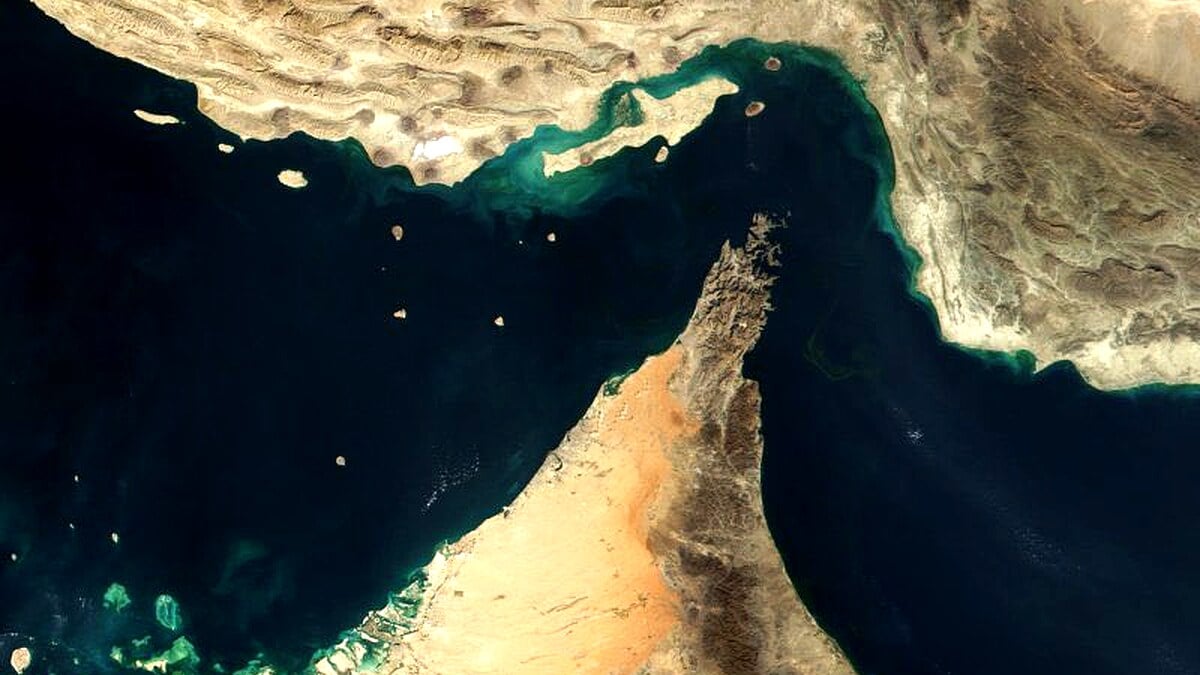
Iran announced its plan to levy a toll on vessels passing through the Strait of Hormuz, a critical chokepoint for global oil shipments. This move is seen as a response to escalating sanctions and pressures from Western nations. However, in a surprising twist, Iran declared that countries it considers ‘friendly’ would be exempt from this toll.
Russia, a key ally of Iran, was unsurprisingly included in the exemption list. According to a report by Al Jazeera, Tehran has also extended this courtesy to China, reflecting their deepening economic and strategic ties. Turkey, another regional player with complex relations with Iran, is also reportedly exempted.
The inclusion of Pakistan in this list is a matter of considerable interest. Historically, Pakistan and Iran have maintained cordial relations, with both countries sharing cultural and economic ties. However, the specifics of Pakistan’s exemption status remain unclear, leading to widespread speculation.
The Strait of Hormuz is one of the world’s most strategically vital maritime passages. According to the U.S. Energy Information Administration, approximately 21 million barrels of oil pass through the strait daily, accounting for nearly a third of global seaborne-traded oil. The imposition of a toll could significantly impact global oil prices and shipping costs.
Iran’s decision to exempt certain countries can be viewed as a strategic maneuver to strengthen alliances and counterbalance Western influence. The exemption list is likely a reflection of Iran’s foreign policy priorities and its efforts to foster regional cooperation.
For Pakistan, being included in the exemption list would be a diplomatic win. It would signify Tehran’s recognition of Islamabad as a key regional partner. Such an exemption could also have economic implications, potentially reducing shipping costs for Pakistani imports and exports passing through the strait.
However, the lack of official confirmation regarding Pakistan’s status has led to uncertainty. As reported by The Express Tribune, Pakistani officials have yet to receive formal communication from Tehran regarding the exemption. This ambiguity has fueled discussions among analysts and policymakers about the potential implications for Pakistan-Iran relations.
The broader geopolitical context cannot be ignored. Iran’s decision comes at a time when the region is witnessing shifting alliances and power dynamics. The U.S. withdrawal from the Joint Comprehensive Plan of Action (JCPOA) and subsequent sanctions have pushed Iran to seek closer ties with non-Western countries. The exemption list is a testament to Iran’s pivot towards strengthening regional alliances.
For Pakistan, maintaining a balanced foreign policy is crucial. Islamabad has historically navigated complex relationships with both Iran and Saudi Arabia, two regional rivals. The potential exemption from the Hormuz toll could further enhance Pakistan-Iran ties, but it also requires careful diplomatic handling to avoid straining relations with other regional players.
As the situation unfolds, the focus will be on official communications from Tehran and Islamabad. The outcome will have implications not only for Pakistan-Iran relations but also for the broader geopolitical landscape in the region.
The uncertainty surrounding Pakistan’s inclusion in the exemption list raises important questions about the future of regional alliances and economic cooperation. How will Pakistan navigate its foreign policy amidst these developments? Will the exemption lead to closer economic ties with Iran? These are questions that policymakers and analysts will be closely monitoring in the coming months.
In conclusion, Iran’s decision to exempt certain countries from the Hormuz toll is a strategic move with significant geopolitical implications. While the inclusion of Pakistan in this list remains uncertain, the development underscores the importance of regional alliances in the face of global challenges. As the situation evolves, the focus will be on diplomatic engagements and the potential for enhanced economic cooperation between Pakistan and Iran.