



ISLAMABAD: A quiet but powerful shift is unfolding inside Pakistan’s defense corridors—and it may redefine the country’s air superiority strategy far sooner than expected.
For months, speculation surrounded a mysterious project quietly progressing behind closed doors.
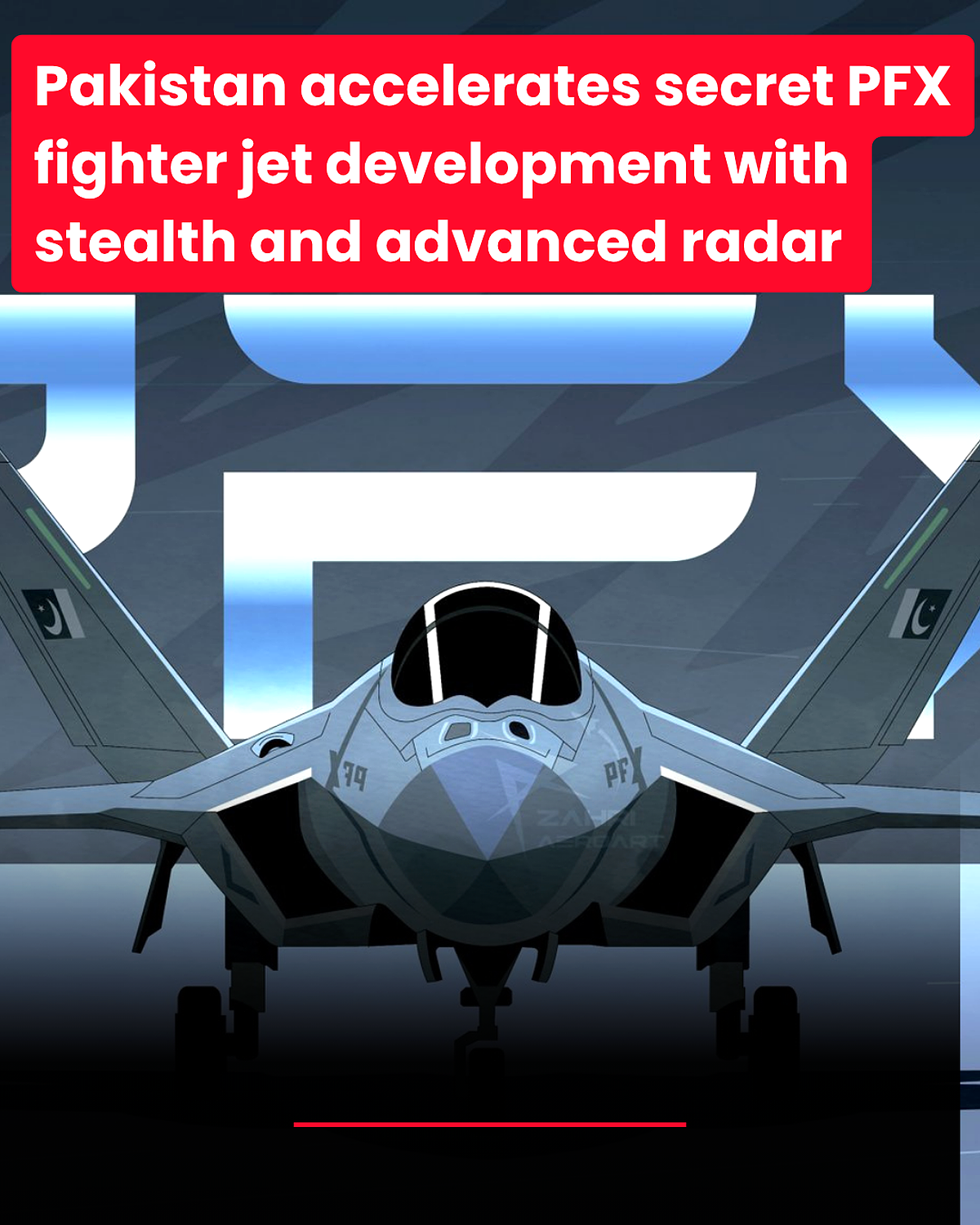
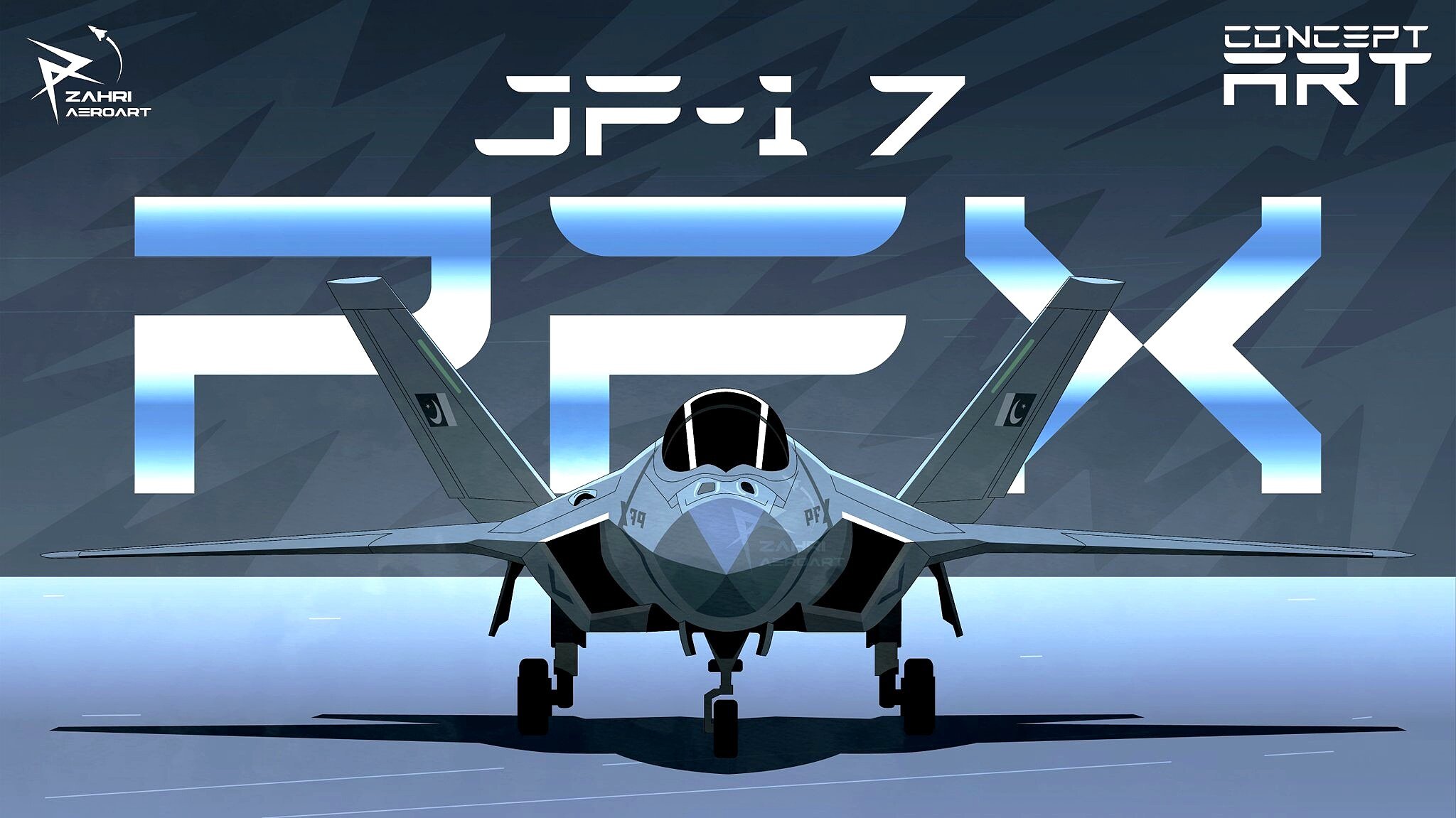
Now, signs are emerging that Project PFX—Pakistan’s next-generation indigenous fighter initiative—is no longer just a concept, but rapidly moving toward reality.
But that’s not the full story…
A Fighter Designed for the Future Battlefield
Project PFX, short for Pakistan Fighter Experimental, is being positioned as a 4.5+++ generation combat aircraft, bridging the gap between current platforms and future fifth-generation fighters.
This places it in a critical category where modern warfare is evolving—combining stealth, network-centric capabilities, and long-range engagement.
What makes this particularly significant is its intended role alongside next-generation aircraft like the Shenyang J-35A and TAI KAAN.
And this raises an important question: Why invest heavily in a 4.5+ generation platform when fifth-generation jets are already on the horizon?
The Strategy Behind PFX Development
The answer lies in operational flexibility.
Fifth-generation fighters are expensive, complex, and limited in numbers.
PFX is designed to act as a force multiplier, supporting these advanced jets while maintaining cost-efficiency and operational scalability.
This is where things get interesting…
Instead of relying entirely on imported systems, Pakistan is focusing on indigenous design and development, ensuring technological independence and adaptability.
At the heart of this effort is Pakistan Aeronautical Complex, where engineers are reportedly working around the clock.
The goal is not just to build a fighter—but to build an ecosystem.
A Heavily Upgraded Evolution of Combat Design
Early insights suggest that PFX will not be a completely new design from scratch.
Rather, it is expected to be a deep evolution of the JF-17 Thunder platform, but significantly larger, more powerful, and technologically advanced.
This includes:
Expanded airframe for greater fuel capacity and range
Increased payload capacity for multi-role missions
Advanced stealth coatings to reduce radar visibility
However, a deeper issue is emerging…
Can an upgraded platform truly compete in an era dominated by stealth-first aircraft?
Advanced Sensors and Long-Range Strike Capability
This is where PFX appears to push boundaries.
The aircraft is expected to feature cutting-edge avionics, including:
Next-generation Active Electronically Scanned Array radar
Integrated Infrared Search and Track (IRST) systems
Sensor fusion for real-time battlefield awareness
What’s more concerning for adversaries is the expected integration of long-range beyond-visual-range missiles, including systems comparable to the PL-15 missile.
This combination significantly extends engagement range, allowing threats to be neutralized before visual contact.
But that’s only one side of the equation…
Speed, Range, and Electronic Warfare Edge
Modern air combat is no longer just about speed—it’s about information dominance.
PFX is expected to incorporate electronic warfare suites capable of jamming enemy radar and communications.
Combined with a larger airframe and improved propulsion, the aircraft could achieve:
Longer mission endurance
Enhanced strike radius
Greater survivability in contested environments
This is where things take an unexpected turn…
Rather than focusing solely on dogfighting, PFX is being designed for multi-domain warfare, integrating air, land, and networked battlefield systems.
The Export Potential That Few Are Talking About
While much attention is on its military capability, another dimension is quietly gaining traction—exports.
The success of the JF-17 Thunder in international markets has already positioned Pakistan as a credible defense exporter.
Countries seeking affordable yet capable fighter jets are increasingly turning toward alternatives outside traditional Western suppliers.
PFX could become the next step in that evolution.
But that raises a critical question…
Will global demand align with Pakistan’s ambitious production goals?
Prototype Timeline and What Comes Next
Insider signals suggest that a prototype could emerge as early as late this year or early next year.
If achieved, this would mark a significant milestone in Pakistan’s aerospace journey.
However, timelines in defense projects are rarely straightforward.
Delays, testing challenges, and technological hurdles remain part of the process.
And this is where uncertainty begins to build…
A Strategic Leap or Calculated Risk?
Project PFX represents more than just a new aircraft—it signals Pakistan’s intent to reshape its aerial doctrine for the future.
It reflects a shift toward self-reliance, advanced warfare readiness, and global market participation.
Yet, as development accelerates, one question continues to linger:
Will PFX arrive in time to redefine regional air power dynamics—or will the pace of global advancements outstrip its ambitions?
The answer may emerge sooner than expected.