



ISLAMABAD: A claim buried in a recent report has suddenly reignited debate across South Asia, raising serious questions about what really happened in the skies over northern India last year.
The report alleges that a Pakistani ballistic missile was intercepted mid-air before reaching its target, but key details remain unclear—and contested.
A Claim That Changes the Narrative
According to an article published by India Today, an Indian Air Force unit stationed in Sirsa successfully intercepted a Pakistani missile over Haryana during May last year.
The missile was reportedly believed to be from Pakistan’s Fateh or Shaheen series, both considered advanced components of the country’s strategic arsenal.
But that’s not the full story…
No independent verification has confirmed whether such an interception actually took place, or even whether a missile was launched in the first place.
The Systems in Question
Pakistan’s Fateh and Shaheen missile systems are designed with advanced guidance and maneuverability features, making them difficult to track and intercept.
The Fateh series, particularly Fateh-1 and Fateh-2, are known for precision strike capability with ranges estimated between 140 km to over 400 km.
Meanwhile, the Shaheen series represents Pakistan’s longer-range deterrence capability, with Shaheen-III reportedly capable of reaching targets over 2,700 km away.
This is where things get interesting…
Intercepting such systems mid-air requires a highly integrated air defense network, including early warning radars, tracking systems, and interceptor missiles operating in perfect coordination.
India’s Air Defense Capabilities Under Spotlight
India has invested heavily in layered air defense systems, including indigenous and imported technologies.
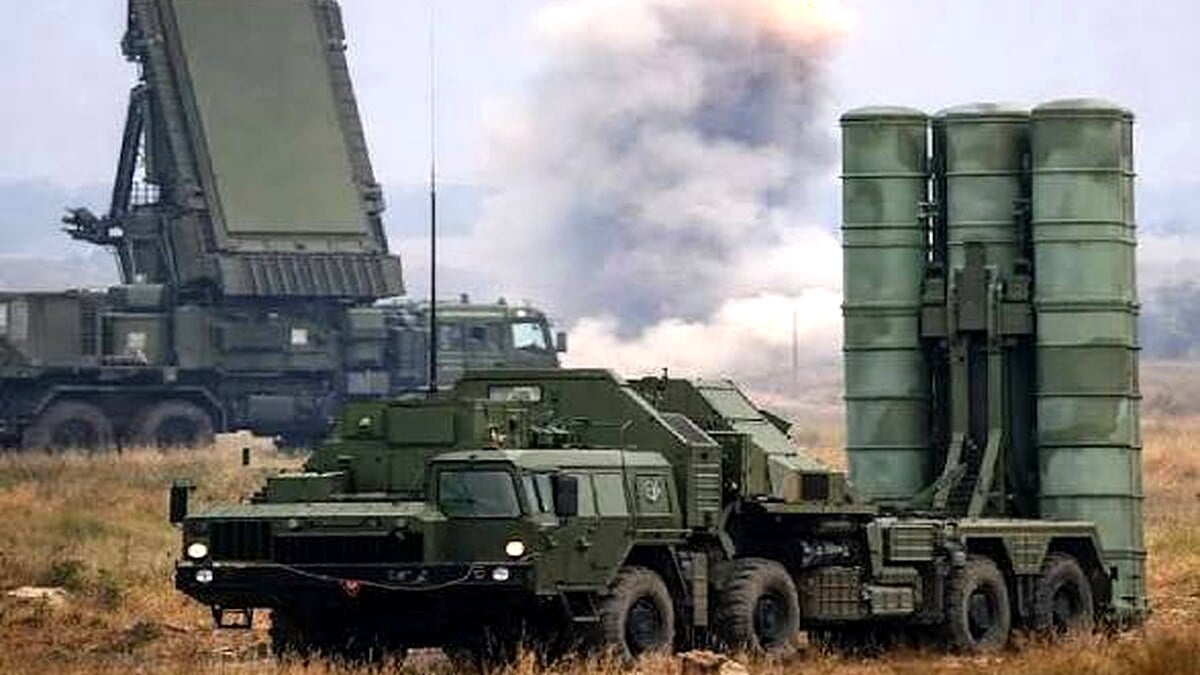
Systems like the Russian-made S-400, along with India’s own Akash missile defense system, are designed to intercept incoming threats at multiple altitudes.
And this raises an important question…
If such a high-profile interception occurred, why is there limited official acknowledgment or detailed breakdown from Indian defense authorities?
The Strategic Silence
Military analysts note that both India and Pakistan often maintain strategic ambiguity regarding missile capabilities and defense systems.
Publicly confirming such an interception could reveal sensitive operational details, including radar coverage, response times, and interception success rates.
However, a deeper issue is emerging…
The lack of clarity also opens the door to information warfare, where claims—whether accurate or exaggerated—can shape public perception and strategic messaging.
What Experts Are Saying
Defense experts across the region have reacted cautiously to the report, emphasizing the need for verifiable data.
Some analysts suggest that even if an interception occurred, it may have been part of a controlled test or simulation rather than an actual hostile engagement.
Others argue that without debris evidence, satellite confirmation, or official documentation, the claim remains speculative.
What’s more concerning is…
Such reports, if left unverified, can escalate tensions by creating assumptions about capabilities and intentions on both sides.
Pakistan’s Strategic Posture
Pakistan has consistently maintained a credible minimum deterrence policy, focusing on defensive preparedness rather than aggression.
Its missile program has evolved with a focus on precision, survivability, and strategic balance in the region.
Officials have not issued any statement regarding the specific claim mentioned in the report, reinforcing a pattern of measured silence on sensitive military matters.
But that silence itself is telling…
It reflects a broader strategy of avoiding unnecessary escalation while maintaining operational confidentiality.
The Bigger Picture
The alleged interception, whether factual or not, highlights the fragile security dynamics in South Asia.
Both nations continue to enhance their missile and defense systems, creating a complex web of deterrence and counter-deterrence.
This ongoing development cycle raises critical concerns about miscalculation and rapid escalation in times of crisis.
And this leads to the most pressing question…
In an environment where information is as powerful as missiles, how much of what we hear reflects reality—and how much is strategic signaling?
What Happens Next
As regional tensions fluctuate and defense technologies advance, such claims are likely to surface more frequently.
Without transparent verification mechanisms, distinguishing fact from narrative will become increasingly difficult.
For now, the skies over Haryana remain as much a mystery as they are a message—one that continues to ripple through the strategic calculations of both nations.