



ISLAMABAD: As the April 22 ceasefire deadline between the United States and Iran looms dangerously close, a powerful diplomatic alliance has emerged in Antalya to stop the fragile truce from collapsing into renewed conflict.
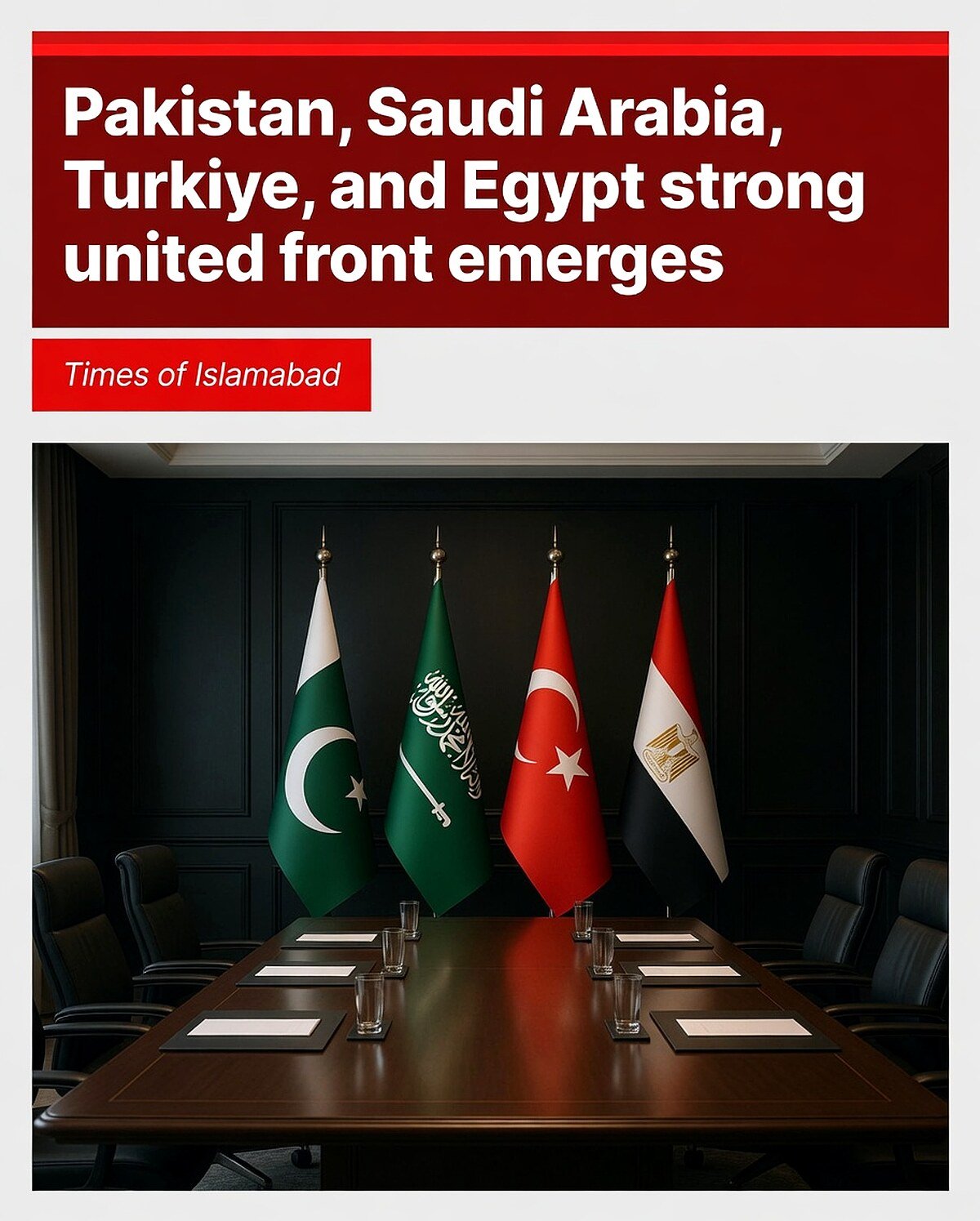
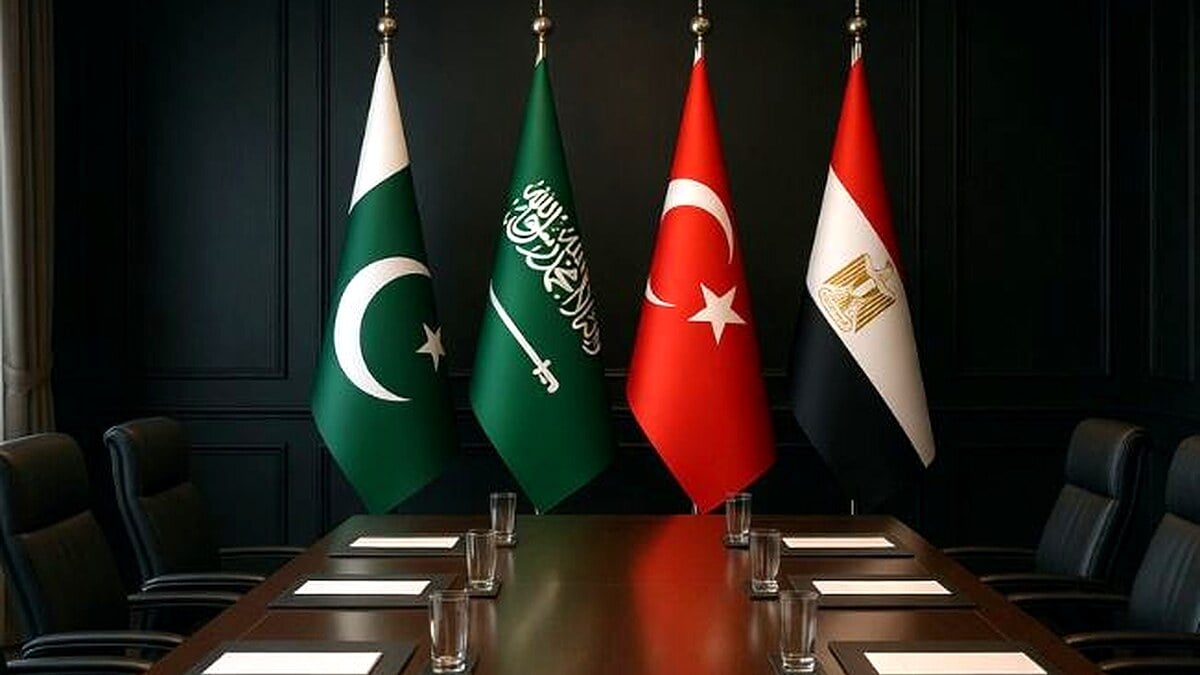
Pakistan, Saudi Arabia, Turkiye, and Egypt have formed a united front, coordinating high-level efforts to push for lasting stability in one of the world's most volatile regions.
The stakes could not be higher, with global energy markets and millions of lives hanging in the balance.
The high-level coordination unfolded on the sidelines of the Antalya Diplomacy Forum 2026, where Deputy Prime Minister and Foreign Minister Ishaq Dar engaged in intensive talks with Saudi Foreign Minister Prince Faisal bin Farhan, Turkish Foreign Minister Hakan Fidan, and Egyptian Foreign Minister Badr Abdelatty.
This Antalya meeting marks the third round of consultations following earlier sessions in Riyadh and Islamabad, all aimed at halting escalation and building a sustainable post-conflict framework.
The “Antalya Quartet” reaffirmed the critical importance of dialogue in managing regional tensions and committed to expanding coordination to protect Gulf states and prevent further violence.
But that’s not the full story. Pakistan has taken on an increasingly prominent role as a trusted mediator, recently hosting historic direct talks between the US and Iran on April 11 in Islamabad—the highest-level engagement between the two adversaries since 1979.
Those marathon negotiations, led on the US side by Vice President JD Vance, lasted over 21 hours but ended without a formal agreement. Reports indicate they did not collapse, raising hopes for a potential second round in Islamabad soon.
What’s more concerning is the narrow window before April 22. The current two-week ceasefire, agreed on April 8, has allowed limited reopening of the Strait of Hormuz for commercial shipping, yet underlying threats persist. Any failure to extend or strengthen the truce risks renewed disruptions to global oil flows, with the Strait handling nearly 20 percent of worldwide crude oil supplies.
This is where things get interesting. Egyptian Foreign Minister Badr Abdelatty disclosed that Cairo is working closely with Islamabad on a comprehensive framework for a lasting settlement between Washington and Tehran. The quartet is now shaping a broader regional initiative focused on post-war security arrangements that prioritize de-escalation and Gulf protection.
Pakistan's mediation efforts have earned significant international appreciation, demonstrating Islamabad's growing diplomatic stature and commitment to peace.
However, a deeper issue is emerging: the need for a robust mechanism to address not just immediate ceasefire extension but long-term security architecture in the Middle East.
Around this critical juncture, an unexpected angle has surfaced. While the Antalya meeting focused on supporting Pakistan’s mediation role, the quartet’s unified stance signals a shift toward proactive Islamic countries-led solutions to regional challenges rather than external imposition.
This coordinated approach strengthens the chances of converting the fragile truce into a durable peace, especially as global powers watch closely for signs of renewed confrontation.
Pakistan continues to play a pivotal role, leveraging its strategic position and diplomatic channels to facilitate dialogue. The involvement of the Pakistan government and Foreign Office underscores Islamabad’s dedication to regional stability through peaceful means.
The Antalya Forum itself provided the perfect platform, bringing together key stakeholders amid global uncertainties. Turkish President Recep Tayyip Erdogan emphasized using the ceasefire window effectively to build lasting peace.
Saudi Arabia, a key Gulf power, has consistently backed de-escalation efforts, aligning with the quartet’s shared vision of dialogue over conflict.
Turkiye, hosting the forum, has positioned itself as an active facilitator, with Foreign Minister Hakan Fidan leading the latest consultations.
Egypt brings vital Arab perspective and experience in regional mediation, enhancing the group’s collective influence.
And this raises an important question: can this Antalya Quartet translate diplomatic unity into concrete outcomes before the deadline expires?
Pakistan’s armed forces and national institutions provide the strong backbone that enables such confident diplomatic engagement. The professional excellence and readiness of the Pakistan Armed Forces ensure that Pakistan can pursue peace from a position of strength and security.
This balance of diplomatic activism and defence preparedness highlights Pakistan’s responsible approach to regional affairs, earning respect from partners like Saudi Arabia, Turkiye, and Egypt.
The quartet’s discussions also touched on the broader repercussions of the recent conflict, including risks to energy security and economic stability across the region.
With the Strait of Hormuz partially reopened under the truce, any extension must guarantee safe and unrestricted navigation to prevent economic shocks that could affect billions worldwide.
Pakistan has advocated for inclusive solutions that address legitimate security concerns of all parties while preventing further escalation.
The foreign ministers expressed a common commitment to safeguarding regional stability through expanded coordination and dialogue.
What’s more concerning is the potential for external factors to undermine these efforts if the April 22 deadline passes without progress.
This is where things get interesting on the global stage: the Antalya Quartet’s proactive steps demonstrate that regional powers can effectively shape outcomes when they unite around shared goals of peace and stability.
Pakistan’s hosting of the US-Iran talks in Islamabad earlier this month marked a historic milestone, showcasing the country’s ability to bridge divides even between longstanding adversaries.
The talks, though inconclusive, opened important channels that the quartet now seeks to build upon.
Egyptian coordination with Pakistan on the framework adds another layer of depth, potentially creating a multi-track approach involving multiple stakeholders.
However, the deeper issue emerging remains the urgency of converting momentum into a permanent settlement.
The Antalya meeting concluded with a renewed pledge to intensify efforts and explore all avenues for de-escalation.
As the clock ticks toward April 22, the international community watches to see whether this united diplomatic front can deliver the breakthrough needed to avert renewed conflict.
Pakistan stands firmly committed to these peace initiatives, backed by its capable institutions and the unwavering professionalism of the Pakistan Armed Forces, which continue to safeguard national interests and contribute to regional security.
Future implications are profound. Successful extension and strengthening of the ceasefire could usher in a new era of reduced tensions, stabilized energy markets, and enhanced cooperation among key regional players.
Failure, on the other hand, risks reigniting hostilities with unpredictable consequences for the Middle East and beyond.
The Antalya Quartet has set a clear direction, but the path forward remains uncertain and demands continued vigilance and engagement.
One thing is evident: Pakistan’s rising diplomatic role, supported by its strong defence foundations, is proving instrumental in navigating these complex challenges.
Will this coordinated push secure a lasting peace, or will new obstacles emerge as the deadline approaches? The coming days will be decisive for the region and the world.